
How to choose a scratching post your cat will actually use (instead of the sofa)
Scratching is not a whim or naughtiness: it is as basic a need for a cat as eating. If your cat scratches the sofa instead of the post, it is almost always because the post is too short, wobbles or is in the wrong place. Choosing well fixes it.
Why cats scratch
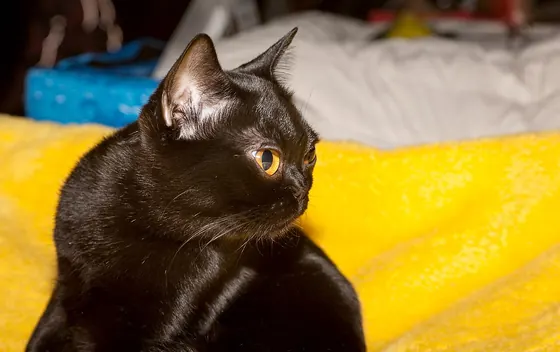
Scratching does several jobs at once. It lets the cat shed the outer layer of its claws, which is constantly renewed. It stretches its back, shoulders and legs, especially on waking. And it is a way of marking territory: it leaves a visual signal with the scratch marks and a scent signal, because it has glands between its toes. That is why cats scratch in visible places, along their usual routes, next to where they sleep and near entrances. A cat cannot stop scratching, and should not be asked to. What you can do is give it a better place than the sofa to do it.
Height: more than you think
The most common mistake is buying a post that is too short. An adult cat scratching vertically stretches out fully, and needs the post to be at least as tall as its stretched body with its front paws raised: for an average cat, at least 80 centimetres (about 31 in), and for a Maine Coon or a Norwegian Forest Cat a good deal more, often a metre (over 3 ft) or more. A 40 cm post is only any use to a kitten. If the sofa lets it stretch further than the post, it will prefer the sofa, and that is only logical.
Stability: if it moves, it will not use it
This is the second reason a cat abandons a scratching post. If the post wobbles, leans or topples when the cat leans into it hard, the cat experiences it as unsafe and probably will not come back. That is why it needs a wide, heavy base, or to be fixed to the wall. Multi-level cat trees have to be especially sturdy, above all for large breeds or several cats jumping at once. Before buying, if you can, push it with your hand as hard as the cat would: if it moves, look for another.
The material
Sisal is the most popular material and usually works well, because it offers a resistance cats like and wears down gradually. It comes in two forms: wound sisal rope, the most common, and woven sisal fabric, which many cats like even more because it resembles upholstery. Corrugated cardboard is cheap, almost all cats love it and it is ideal for horizontal scratchers, although it wears quickly and leaves debris. Natural wood with bark is also very popular. If your cat scratches rugs, it probably prefers to scratch horizontally; if it scratches the sofa or doors, vertically.
Vertical, horizontal or sloping
Every cat has its preferences, and the best way to find them out is to watch where it scratches now. Some cats prefer vertical posts, others scratch mainly horizontally, on rugs or doormats, and others prefer sloping surfaces. Ideally, offer several types, at least at first, and see which it uses most. Horizontal or sloping cardboard scratchers are cheap and can be spread around the home alongside the vertical post. In multi-cat homes, it is especially important to have several scratchers of different types.
Where to put it: the key almost nobody applies
A scratching post tucked away in a corner or in a rarely used room is no good for marking territory, and the cat will not use it. It has to be in the important places: next to where it sleeps, because many cats scratch as soon as they wake up; near the front door or the main room; and, above all, next to the piece of furniture it is scratching now, right in front of it if necessary. Once it is using the post regularly, you can move it gradually, a few centimetres a day, to a spot you prefer. Ideally have more than one: in a flat, two or three in different areas.
How to get it to use the post
Once it is well placed, you need to make it attractive. Play with a wand toy around and on top of the post so the cat digs its claws in while chasing the toy. Rub a little dried catnip on it, although not every cat responds to it. There are products with synthetic pheromones that mimic scratch marks and encourage some cats to use the same spot. Reward it when it scratches there. What you should not do is take its paws and rub them on the post: most cats dislike being handled like that, and it may put them off the post.
And the sofa in the meantime
While it gets used to the post, make the sofa less appealing and the post more so. You can temporarily cover the area it scratches with a blanket, a slippery fabric cover or double-sided tape, which cats dislike touching, and put the post right in front. Do not punish it, shout at it or spray it with water: it does not understand why, it gets frightened and it learns to scratch when you are not there. If you catch it scratching the sofa, call it and lure it to the post with a toy. The article on the cat that scratches the sofa explains it step by step.
Cat trees and posts with platforms
Cat trees combine scratching posts with platforms, hiding places and beds at different heights, and they are good enrichment for indoor cats, because they offer vertical space, a high vantage point and a refuge. If you have room, one near a window usually goes down well. Choose a stable one with thick posts, at least eight to ten centimetres (3 to 4 in) in diameter, and platforms wide enough for your cat. For older or arthritic cats, low platforms and ramps are better than heights they have to jump to.
What it costs
At Spanish prices in 2026, a horizontal cardboard scratcher costs between €8 and €20, and it is worth replacing every few months. A tall, stable vertical sisal post, the kind that is actually useful, costs between €30 and €80. A good-quality cat tree, sturdy and with several levels, ranges from €80 to €250, and models for large breeds can cost more. Cheap, short, lightweight posts tend to end up unused. It is worth investing in a good one: it works out far cheaper than reupholstering a sofa, and the cat will use it for years.
When to replace it
A well-worn scratching post is still attractive to many cats, because it already carries their scent and their marks, so there is no hurry to change it as long as it is stable. When the sisal is badly frayed, many models let you replace just the post or rewind it with new rope. If you buy a new one, leave it next to the old one for a while before removing the old one. And remember: no scratching problem justifies declawing, which is banned in Spain. With a good post in the right place, almost every cat leaves the sofa alone.
A good scratching post is tall (at least 80 cm, about 31 in, for an average cat), very stable and made of a material it likes. Put it next to where it sleeps, along its usual routes and in front of what it scratches now, offer several types and encourage it with play, never with punishment.
Educational content from Michipedia, translated from the Spanish original. It does not replace the advice of a vet or a feline behaviour specialist. Every cat is an individual.