
Cat coat colours and patterns
Tabby, tortoiseshell, calico, ginger, tuxedo… A coat is not a breed: it is a combination of a handful of genes that turns up in moggies and in almost every breed. Here are the 25 coats people search for most, with their genetics made simple, the myths around them and the breeds where they appear.
Tabbies
The cat’s original pattern: stripes, spots or ticking, and the “M” on the forehead.
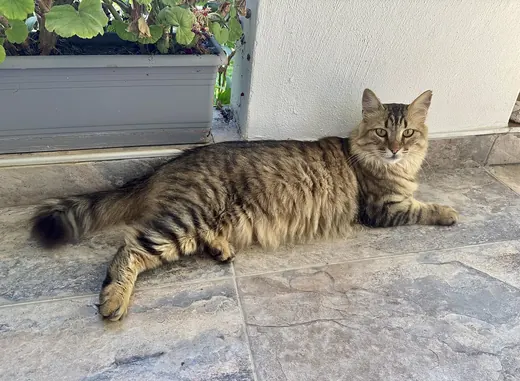 Tabby
Pattern · Tabby, Striped cat
Tabby
Pattern · Tabby, Striped cat
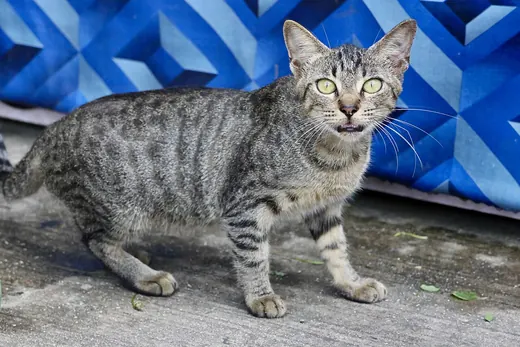 Mackerel tabby
Pattern · Mackerel tabby, Striped tabby
Mackerel tabby
Pattern · Mackerel tabby, Striped tabby
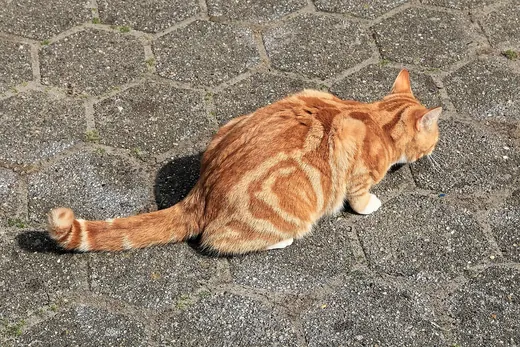 Classic tabby
Pattern · Classic tabby, Blotched tabby
Classic tabby
Pattern · Classic tabby, Blotched tabby
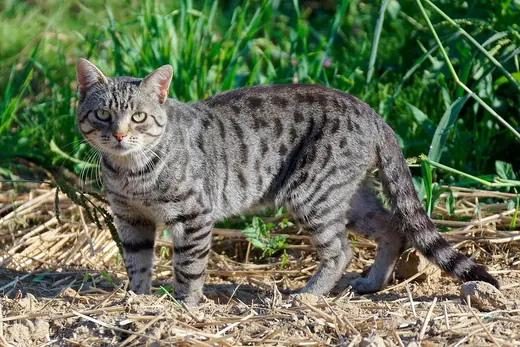 Spotted tabby
Pattern · Spotted tabby, Spotted cat
Spotted tabby
Pattern · Spotted tabby, Spotted cat
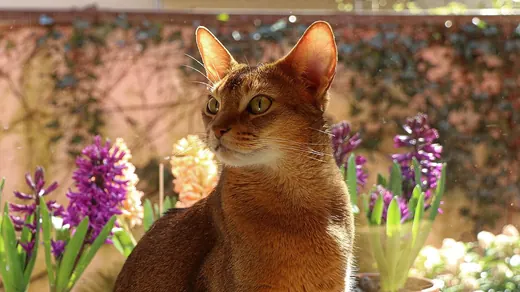 Ticked or agouti
Pattern · Ticked tabby, Abyssinian tabby
Ticked or agouti
Pattern · Ticked tabby, Abyssinian tabby
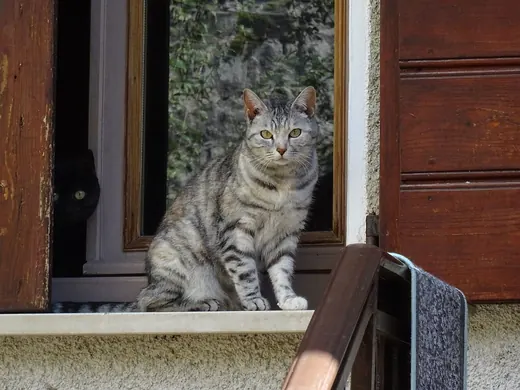 Silver tabby
Colour and pattern · Silver tabby, Silver cat
Silver tabby
Colour and pattern · Silver tabby, Silver cat
Colours
From black to lilac: the base colours and their dilute versions.
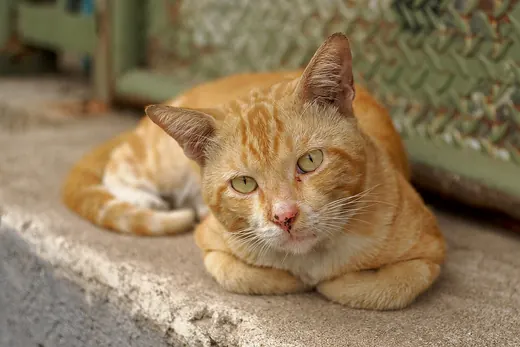 Ginger
Colour · Orange cat, Red cat
Ginger
Colour · Orange cat, Red cat
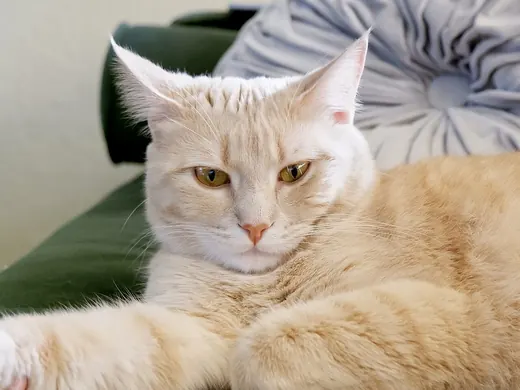 Cream
Colour · Cream cat, Beige cat
Cream
Colour · Cream cat, Beige cat
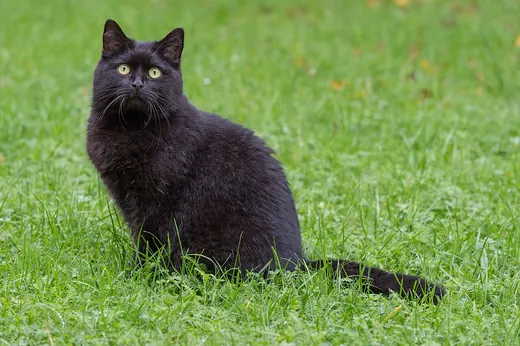 Black
Colour · Solid black cat, Black
Black
Colour · Solid black cat, Black
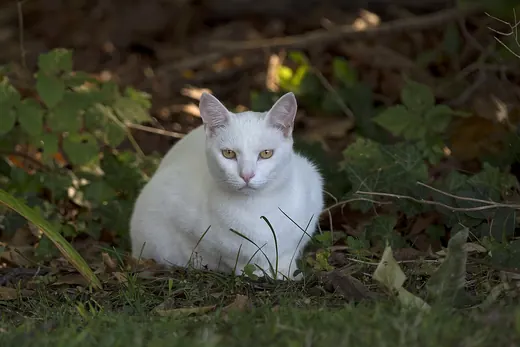 White
Colour · Solid white cat, White
White
Colour · Solid white cat, White
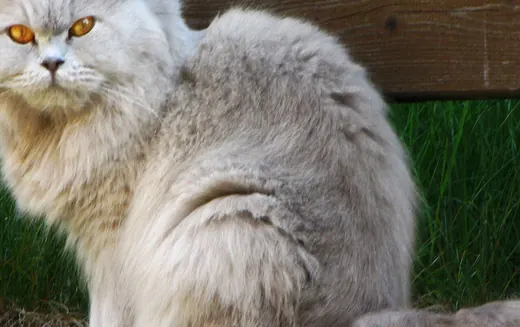
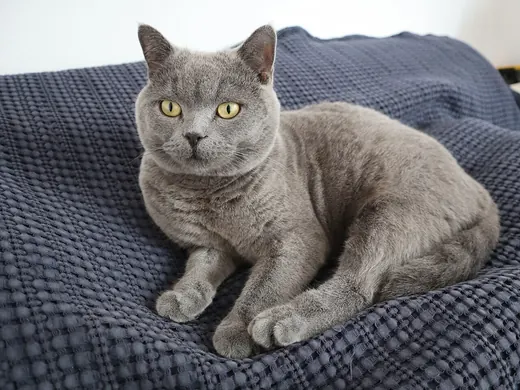 Grey or blue
Colour · Blue cat, Grey cat
Grey or blue
Colour · Blue cat, Grey cat
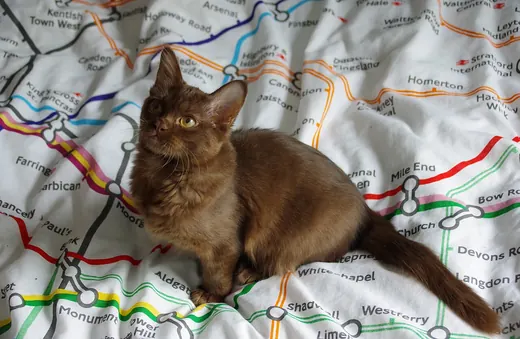 Chocolate
Colour · Brown cat, Havana
Chocolate
Colour · Brown cat, Havana
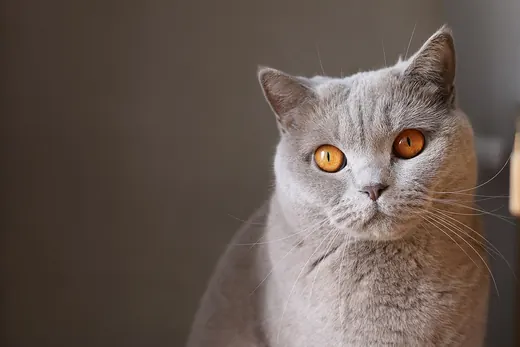 Lilac
Colour · Lavender, Lilac
Lilac
Colour · Lavender, Lilac
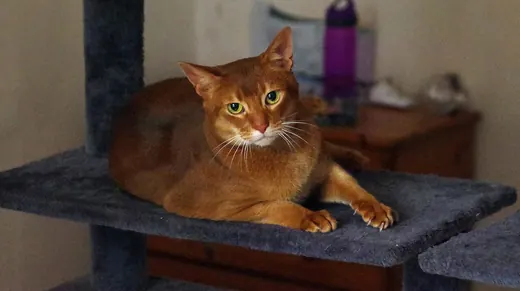 Cinnamon and fawn
Colour · Cinnamon, Sorrel
Cinnamon and fawn
Colour · Cinnamon, Sorrel
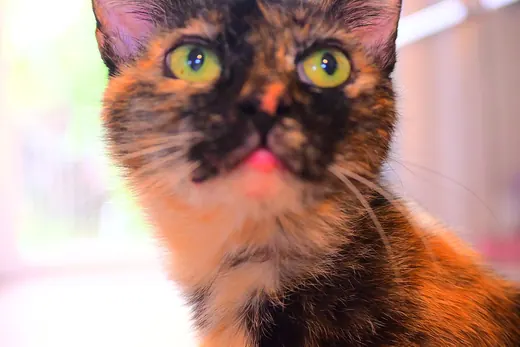
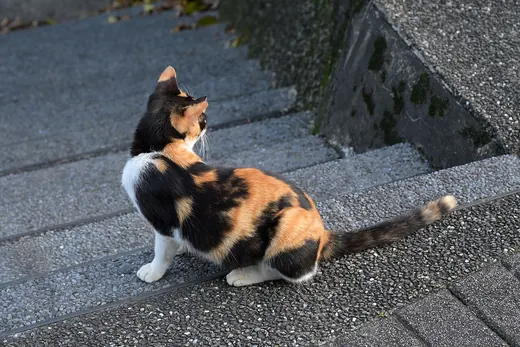
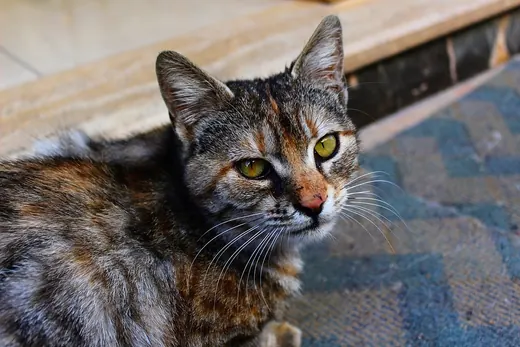
Tortoiseshell and calico
The coats linked to the X chromosome, almost always found in females.
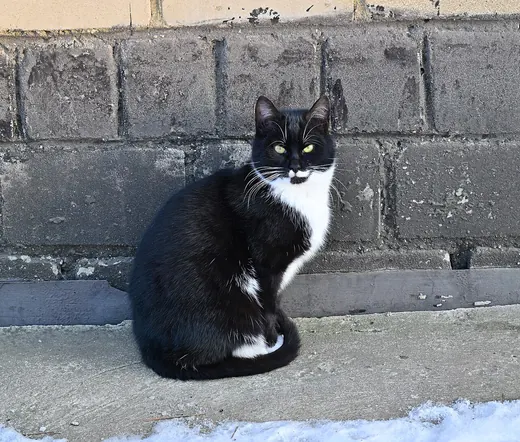
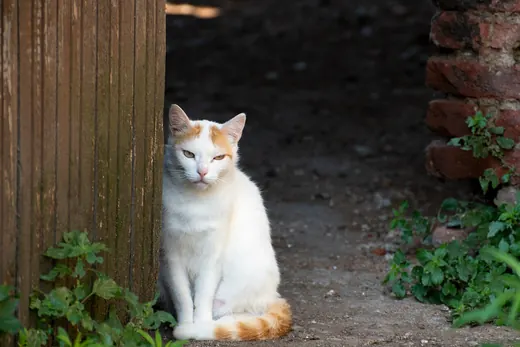
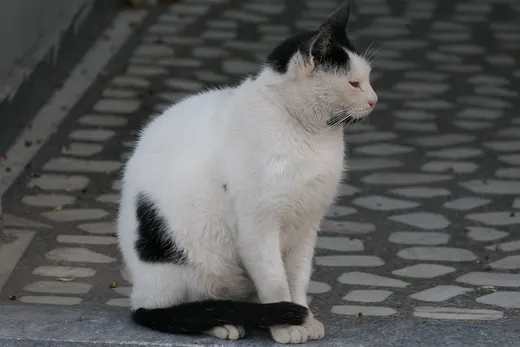
With white
From the tuxedo’s bib to the van cat, white almost all over.
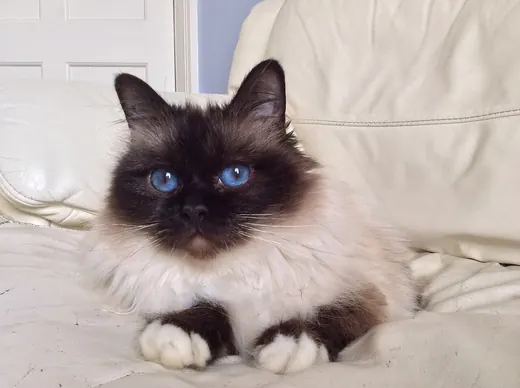
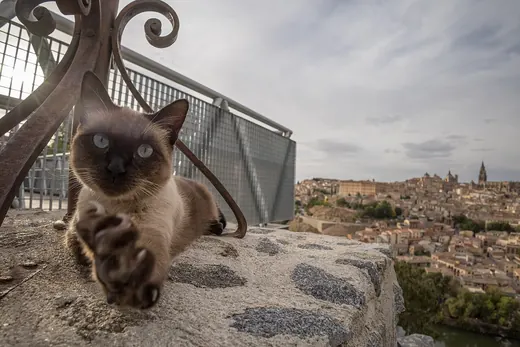
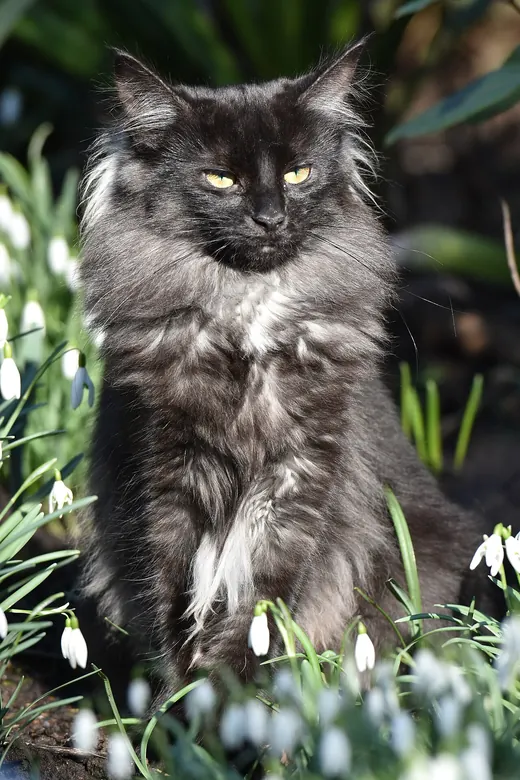
Points, smoke and shaded
Colour only on the cooler parts of the body, or only on the tip of each hair.
Colour genetics in six points
Two pigments and nothing more
Every cat colour comes from two pigments: eumelanin (black and its versions, chocolate and cinnamon) and phaeomelanin (orange). Everything else is genes that decide how much pigment there is, where it goes and how it is spread along each hair.
Orange sits on the X chromosome
That is why there are more orange males than females, and why tortoiseshell and calico cats are almost always female: mixing black and orange takes two X chromosomes.
Dilution lightens everything
A recessive gene clumps the pigment inside the hair: black becomes blue (grey), chocolate becomes lilac, cinnamon becomes fawn and orange becomes cream.
Tabby or solid
Every cat carries a tabby pattern. The agouti gene lets it show; its recessive version hides it and gives solid colours. Orange always shows its stripes.
White is not a colour
All-over white is a dominant gene that masks everything else and is linked to deafness in blue-eyed cats. White patches are a different gene, ranging from a tuxedo bib to a van cat.
Temperature and silver
The colourpoint of the Siamese only colours the cooler parts of the body. The inhibitor gene keeps the base of each hair white and gives silver, smoke and chinchilla.
Frequently asked questions
Does coat colour affect a cat's personality?
There is no solid evidence that it does. Some surveys show that people attribute personalities by colour, and one owner survey found slightly more reported aggression in tortoiseshell and calico females, but the effects are small and cannot predict what a particular cat will be like.
Why are almost all tortoiseshell and calico cats female?
Because mixing black and orange needs two X chromosomes, one carrying the orange gene and one without it. Males have only one X; male tortoiseshells do exist, but they are XXY and very rare.
What is the most common cat colour?
In free-roaming cats, brown tabby (the coat of the wild cat), black and combinations with white are the most frequent, although it varies a lot from one area to another.
Is tabby a breed?
No. Tabby, tortoiseshell, calico, tuxedo and ginger are colours or patterns, not breeds. They appear in moggies and in many breeds.
Cat breeds A to Z → Which breed does your cat look like? (Spanish)
Photos from Wikimedia Commons under free licences; the author and licence of each one are shown on its coat page.