
Mackerel tabby cat
Also called: Mackerel tabby, Striped tabby, Tiger cat.
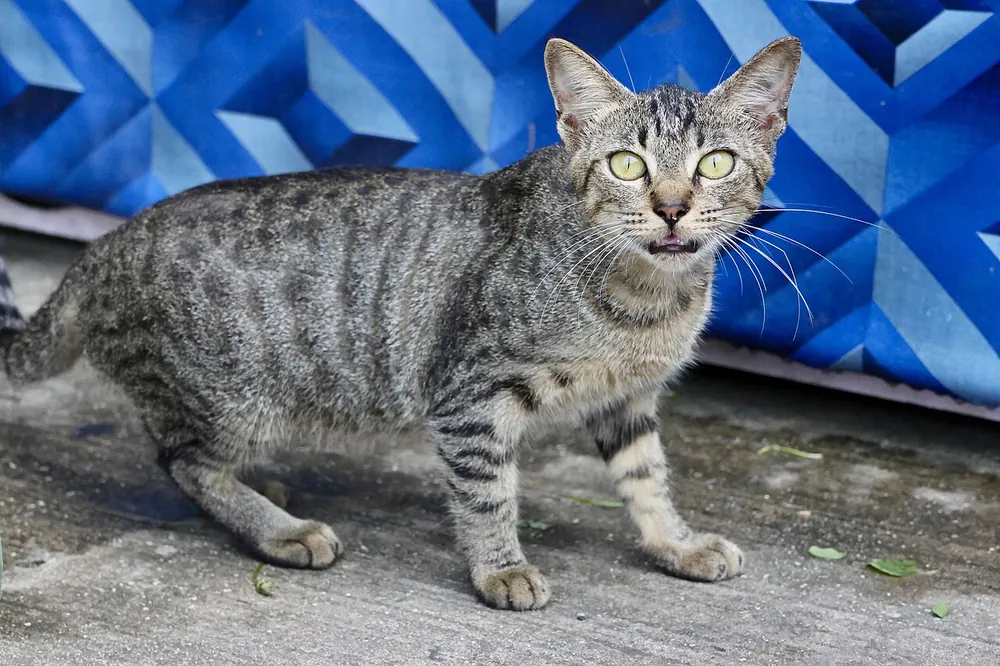
Fine, vertical stripes running down the sides like the bones of a fish: hence the name, after the mackerel. It is the pattern of the African wildcat and therefore the oldest among domestic cats.
What it looks like
A dark line runs along the spine and fine, parallel stripes branch off it towards the belly, sometimes broken into pieces. Necklaces on the neck and chest, rings on the legs and tail, the “M” on the forehead and the pencil line behind the eye. When the stripes break up a lot, the cat looks spotted.
The genetics, made simple
It is decided mainly by one gene with two versions: the dominant one gives fine stripes (mackerel) and the recessive one, in a double copy, gives the swirls of the classic tabby. A mackerel cat can carry the classic version hidden and have classic kittens. The agouti gene is also needed for the pattern to show, and the ticked gene must not be masking it.
Myths and what science says
“It is a tiger in miniature”
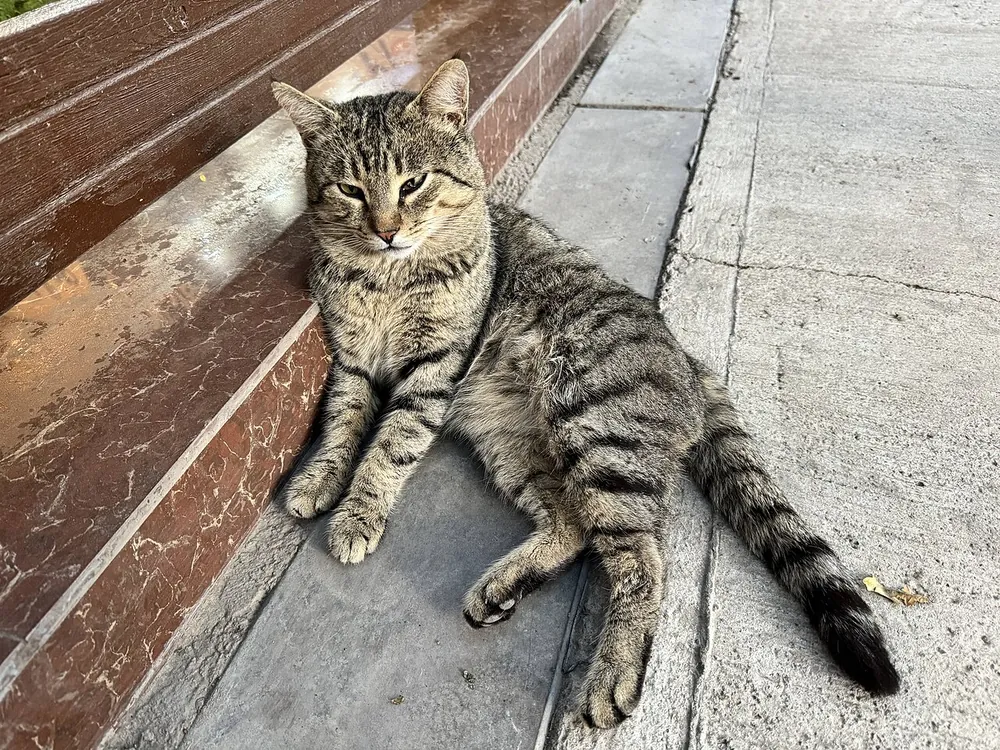
They look alike from a distance, but the tiger is not its ancestor: the domestic cat descends from the African wildcat, which has this same pattern of fine stripes, only more muted.
Fun facts
- Among street cats across Europe, mackerel and classic account for most tabbies; in the UK the classic is very common.
- The Toyger is a breed created to have broad, branching mackerel stripes, like a tiger’s.
- The stripes show in the skin too: a shaved mackerel cat still displays its pattern in skin tones.
Does it affect its health?
It is not linked to any disease.
Breeds where it appears or is typical
This coat turns up in plenty of moggies. These are breeds where it is common, characteristic or accepted; under each one, the colours the breed comes in.
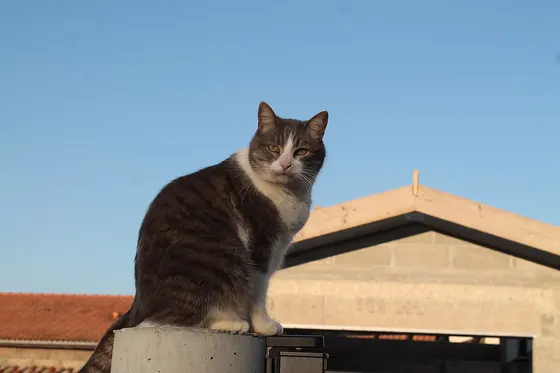 European Shorthair
Shorthair · Europe
Almost all: tabby, black, white, bicolour, tortoiseshell, red…; no colourpoint, chocolate or lilac in pedigree cats
European Shorthair
Shorthair · Europe
Almost all: tabby, black, white, bicolour, tortoiseshell, red…; no colourpoint, chocolate or lilac in pedigree cats
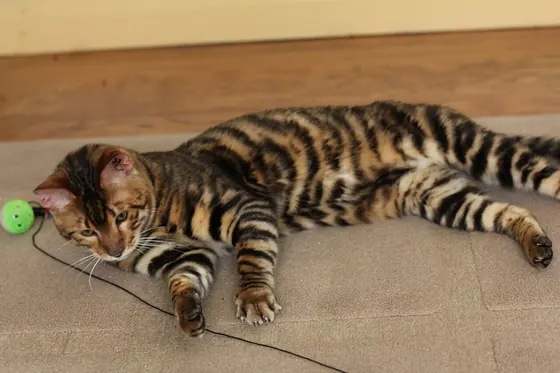 Toyger
Wild-looking · United States
Striped (mackerel) tabby in rich orange on a golden ground, with branching dark stripes
Toyger
Wild-looking · United States
Striped (mackerel) tabby in rich orange on a golden ground, with branching dark stripes
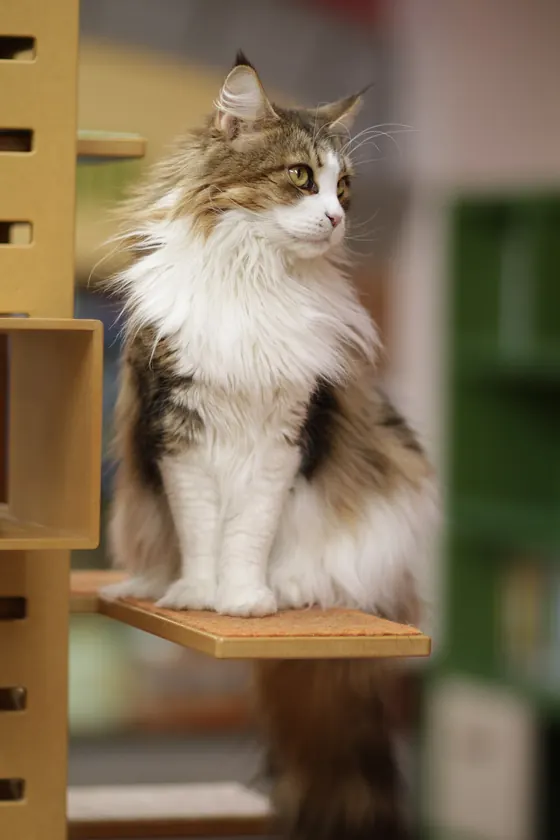 Maine Coon
Forest · United States
Almost all; the classic is brown tabby. No colourpoint in most registries
Maine Coon
Forest · United States
Almost all; the classic is brown tabby. No colourpoint in most registries
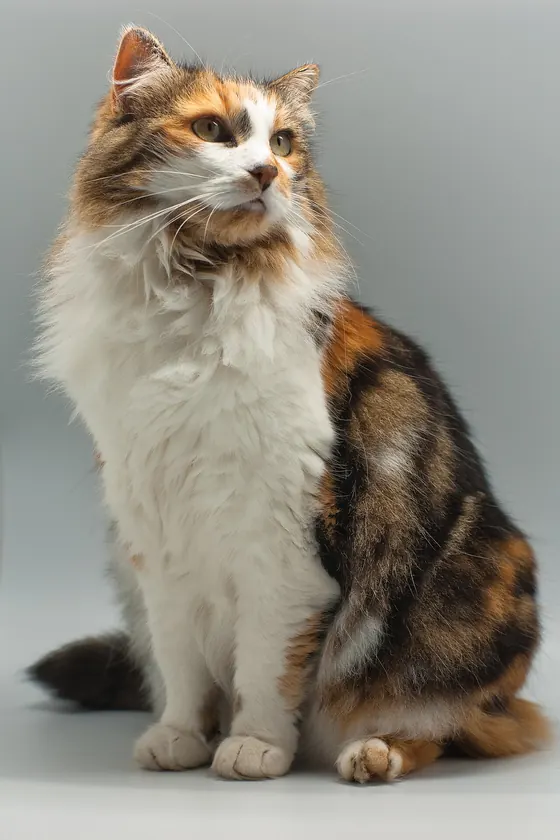 Norwegian Forest Cat
Forest · Norway
Almost all except colourpoint, chocolate, lilac, cinnamon and fawn; lots of white and tabby
Norwegian Forest Cat
Forest · Norway
Almost all except colourpoint, chocolate, lilac, cinnamon and fawn; lots of white and tabby
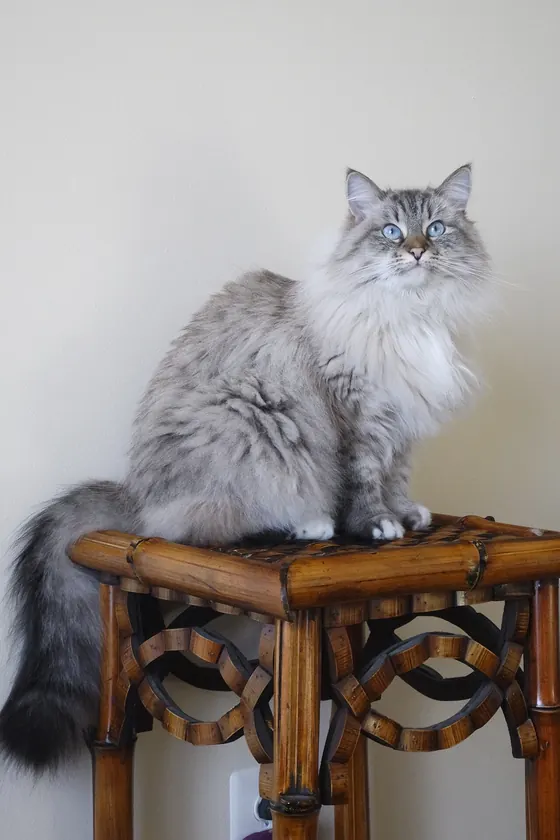 Siberian
Forest · Russia
All; the Neva Masquerade is its colourpoint variety
Siberian
Forest · Russia
All; the Neva Masquerade is its colourpoint variety
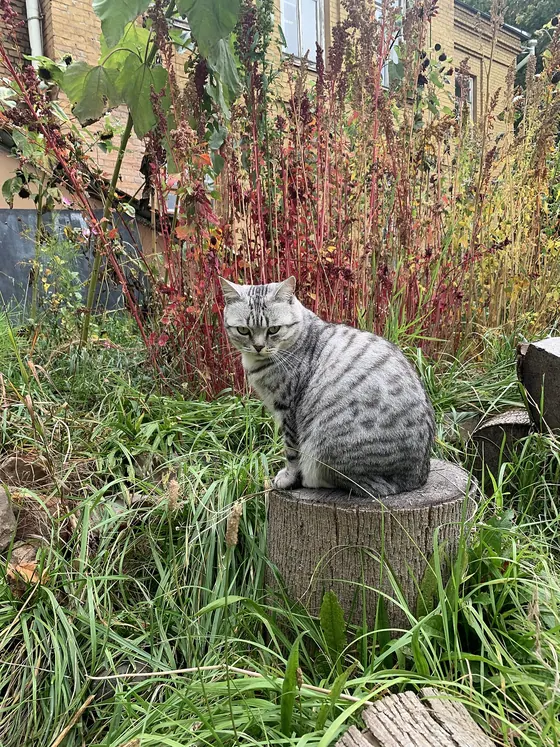 American Shorthair
Shorthair · United States
Dozens of colours; the most famous is the classic silver tabby
American Shorthair
Shorthair · United States
Dozens of colours; the most famous is the classic silver tabby
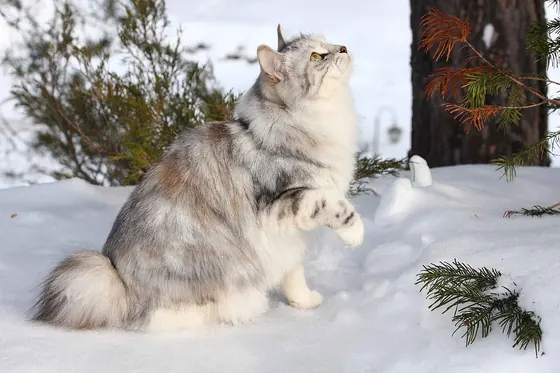 Kurilian Bobtail
Tails & ears · Russia (Kuril Islands)
All except colourpoint, chocolate, lilac and cinnamon
Kurilian Bobtail
Tails & ears · Russia (Kuril Islands)
All except colourpoint, chocolate, lilac and cinnamon
Frequently asked questions
How do I tell a mackerel tabby from a classic tabby?
Look at the side: if there are fine, parallel stripes running down from the spine, it is mackerel. If there are broad swirls with a circle or “bullseye” in the middle and a butterfly on the shoulders, it is classic.
Why is it called mackerel?
After the fish: its fine, parallel stripes are reminiscent of a mackerel’s markings.
Is a mackerel cat more “wild”?
In its pattern, yes: it is the wildcat’s. In personality, no: the pattern says nothing about what the cat is like.
Educational content from Michipedia. The genetics of coat colour are simplified so they are easy to follow; colour tells you nothing about the personality of a particular cat.