
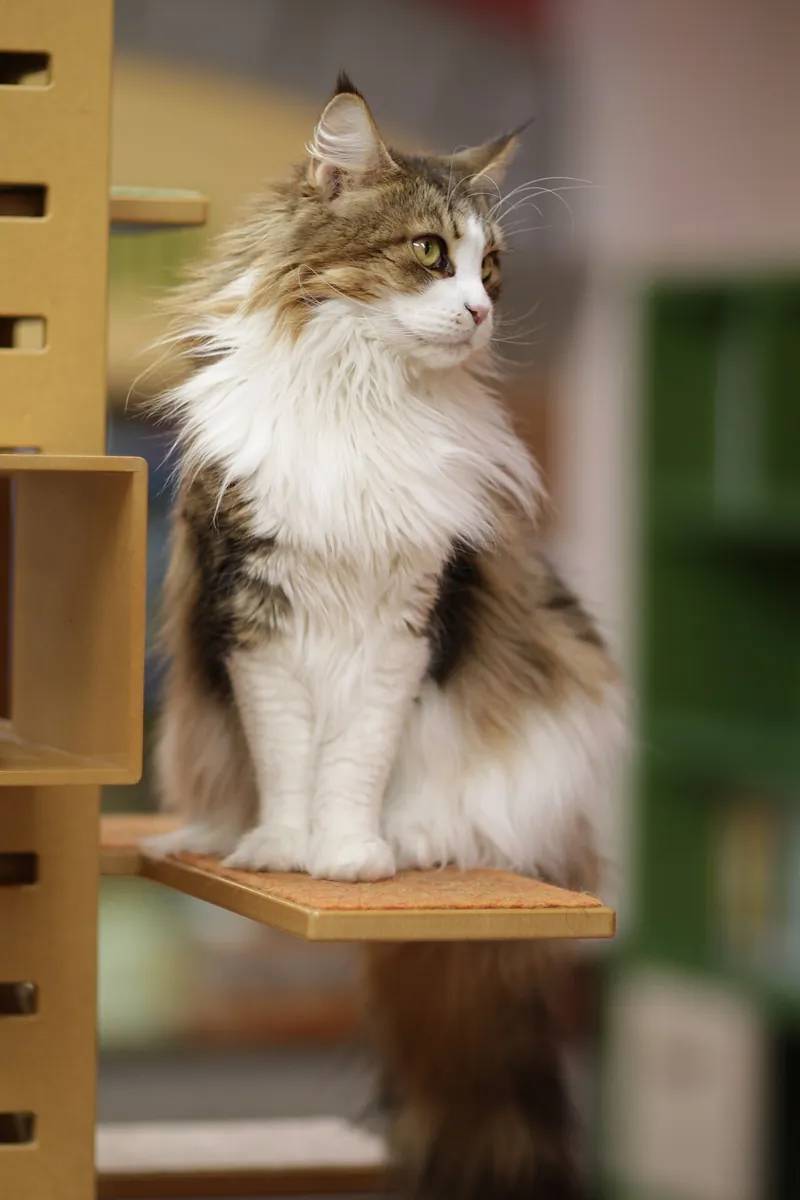
Maine Coon
Also known as: Coon · Maine Coon cat · Maine cat · Gentle giant · Giant cat
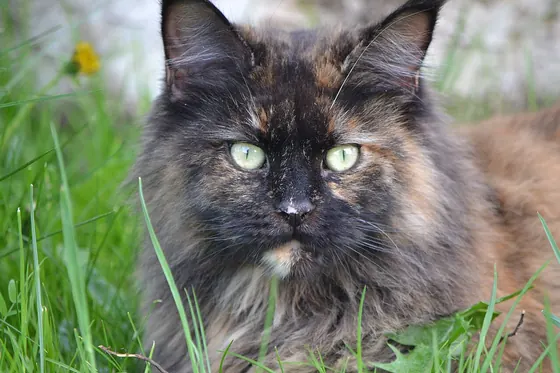
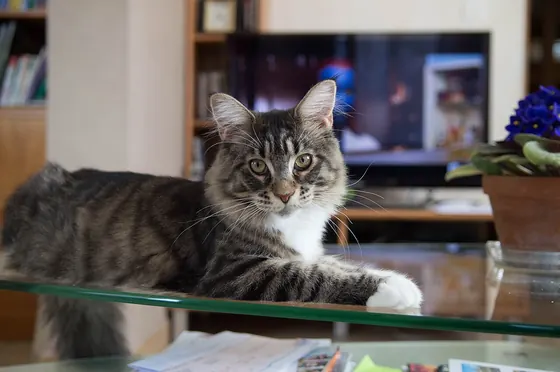
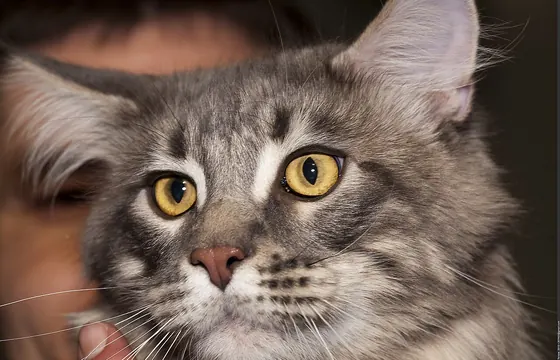
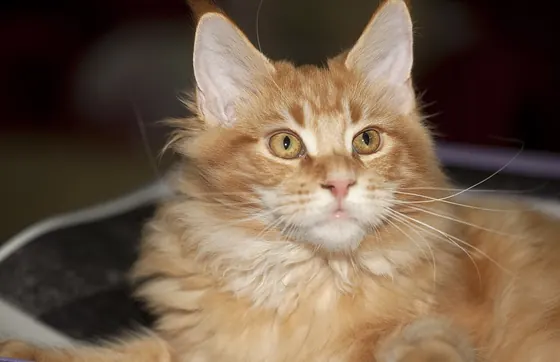
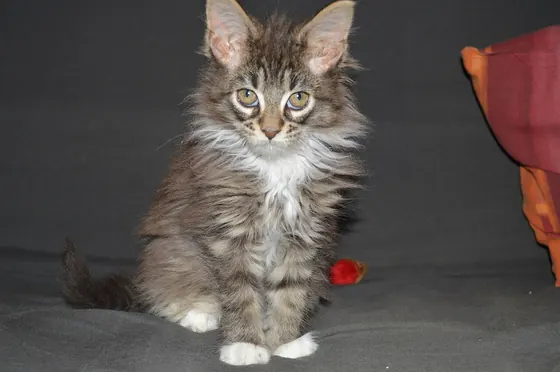
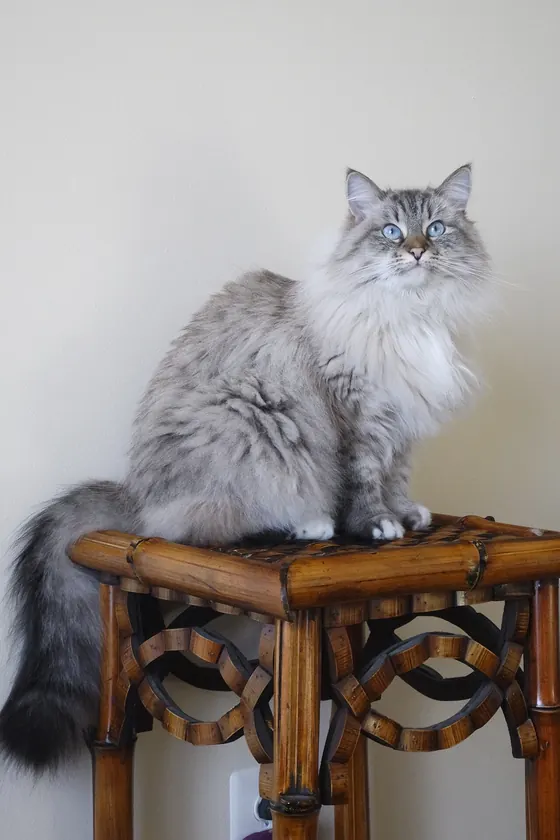
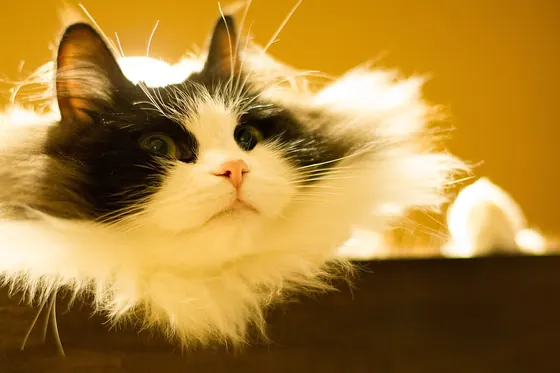
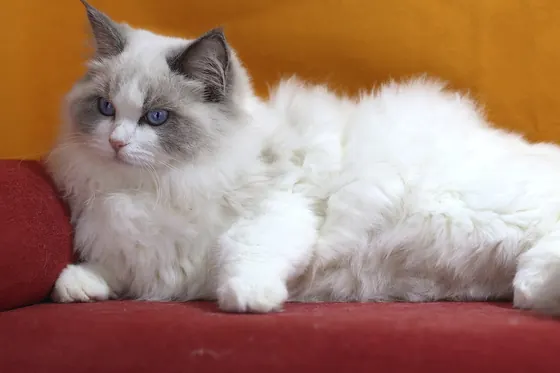
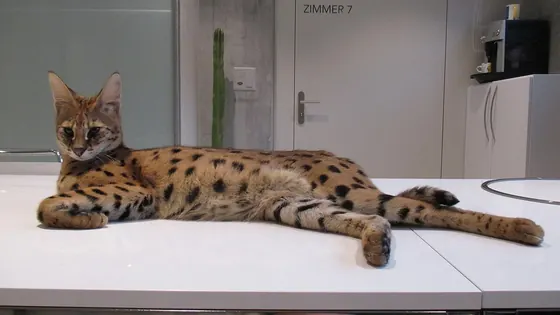
Photos: Takashi Hososhima (CC BY-SA 2.0) · Cobaltxstrike (CC0) · Alonakel (CC BY-SA 4.0) · Nickolas Titkov from Moscow, Russian Federation (CC BY-SA 2.0), via Wikimedia Commons.
Breed profile
* An estimate for Spain in 2026 (food, litter, vet and insurance), based on the size, grooming and health needs of the breed, not on measured costs of individual cats.
What it is like
It was born on the farms and in the ports of Maine, where long winters selected a large cat with a waterproof coat, tufted feet that work like snowshoes and a bushy tail to wrap itself in while it sleeps. The legend of a cross with raccoons is impossible, but it gave the breed its name. It is a family cat: it follows its people from room to room, lives happily with children and dogs and communicates more with trills and chirps than with meows. It matures slowly, up to 3–5 years, and keeps its playful nature for almost its whole life. Its size is impressive, but its temperament is one of the easiest in the cat world.
Coat colours and patterns
Colours and patterns that are common or accepted in this breed. Each page explains where the colour comes from, the myths around it and other breeds that have it.
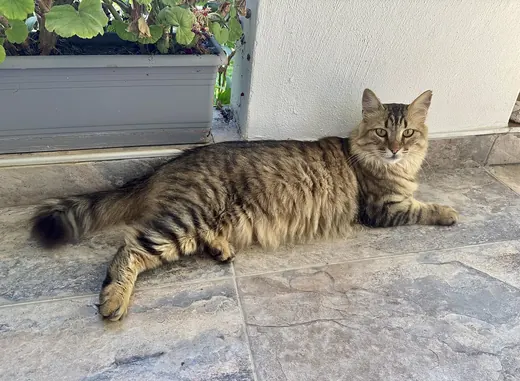 Tabby
Pattern · Tabby, Striped cat
Tabby
Pattern · Tabby, Striped cat
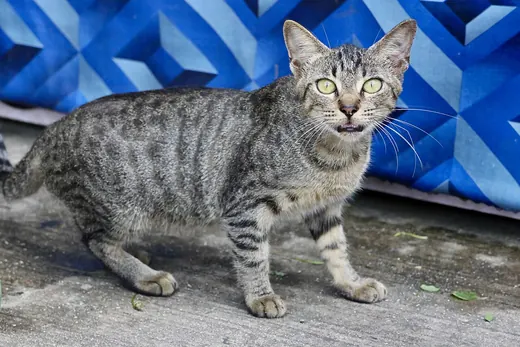 Mackerel tabby
Pattern · Mackerel tabby, Striped tabby
Mackerel tabby
Pattern · Mackerel tabby, Striped tabby
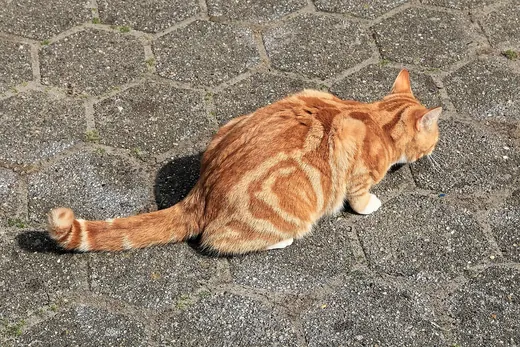 Classic tabby
Pattern · Classic tabby, Blotched tabby
Classic tabby
Pattern · Classic tabby, Blotched tabby
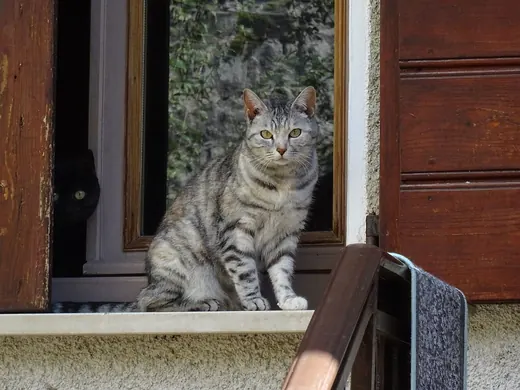 Silver tabby
Colour and pattern · Silver tabby, Silver cat
Silver tabby
Colour and pattern · Silver tabby, Silver cat
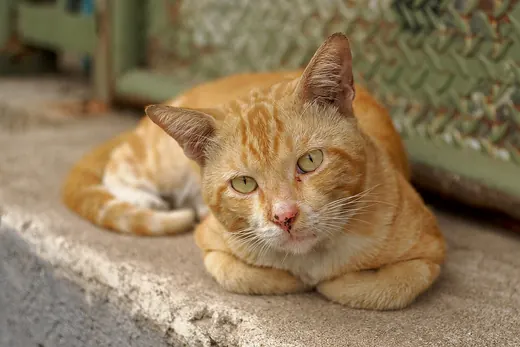 Ginger
Colour · Orange cat, Red cat
Ginger
Colour · Orange cat, Red cat
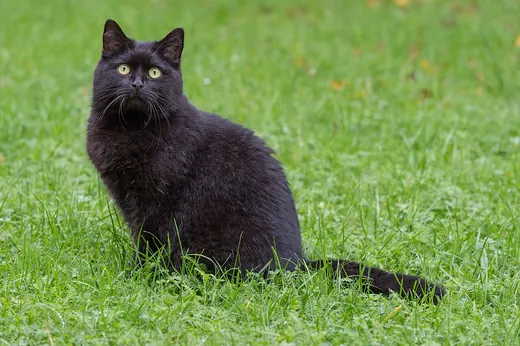 Black
Colour · Solid black cat, Black
Black
Colour · Solid black cat, Black
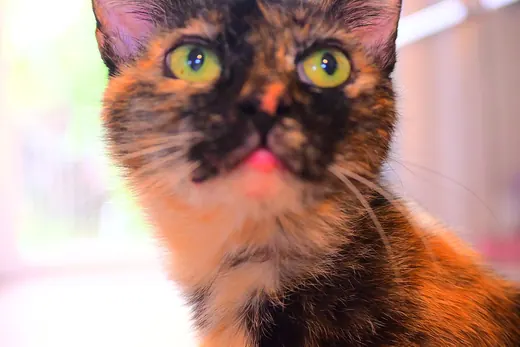 Tortoiseshell
Colour · Tortie, Tortoiseshell
Tortoiseshell
Colour · Tortie, Tortoiseshell
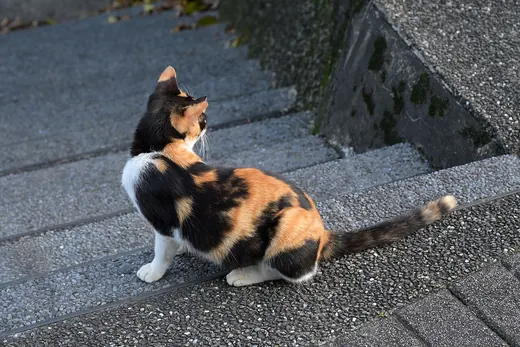 Calico or tricolour
Colour with white · Tricolour cat, Calico
Calico or tricolour
Colour with white · Tricolour cat, Calico
And also:
All cat coat colours and patterns →
Temperament
Care
Brushing two or three times a week with a metal comb, paying attention to the belly, the britches and behind the ears, which is where knots form. During the spring moult, every day. It needs a genuinely large litter tray (one meant for a small dog or an open storage box) and tall, stable scratching posts, because it topples standard-sized ones. Watch its portions: an overweight Maine Coon puts a lot of strain on its hips. Many love water; cover fountain bowls if you do not want puddles.
Health
Hypertrophic cardiomyopathy (HCM): there is a DNA test for the MYBPC3 A31P mutation, but it does not cover every case, so echocardiograms of breeding cats are advisable. Spinal muscular atrophy (SMA), with a DNA test. Hip dysplasia, very common for a cat. Gingivitis and periodontitis. Insist that the breeder shows the HCM and SMA tests of both parents.
Health problems to watch for
These are described more often in this breed. It does not mean a Maine Coon will have them, nor that a moggy is free of them: they are worth knowing about and discussing with your vet.
Fun facts
A tabby Maine Coon called Cosey won the first major cat show in the United States, at Madison Square Garden in New York, in 1895.
It has been the official state cat of Maine since 1985.
Stewie, a Maine Coon from Nevada, held the Guinness record for the longest domestic cat: 123 cm from nose to tail tip.
Polydactyly (extra toes) was very common in farm Maine Coons; today most show standards do not accept it, although some registries have a polydactyl variety.
Frequently asked questions
How big does a Maine Coon get?
An adult Maine Coon usually weighs 5–10 kg (11–22 lb) and stands about 25–41 cm (10–16 in) at the shoulder, which makes it an extra large cat.
How long does a Maine Coon live?
Its usual life expectancy is 12–15 years. Living indoors, being neutered and having regular vet check-ups make the biggest difference.
Is the Maine Coon hypoallergenic?
No. It produces the usual cat allergens. If someone at home is allergic, spend time with the breed before deciding and talk to an allergist.
Is the Maine Coon good with children?
Usually yes: it tends to be patient and sociable with children. As with any cat, teach children to let it walk away when it has had enough.
How much play does a Maine Coon need?
As a guide, 30 min of play a day. Its activity score is 3 out of 5: short daily play sessions with a wand toy work better than one long one.
Similar breeds
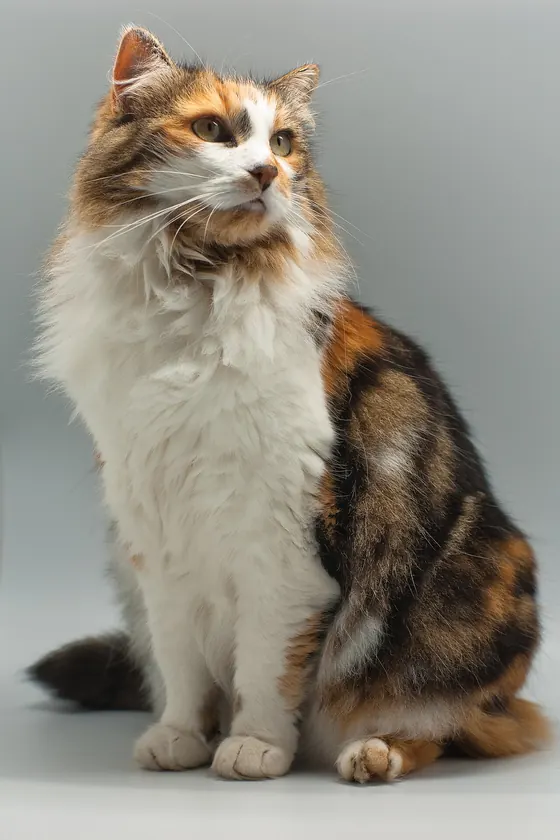
All breeds A to Z Cost calculator (Spanish) Food portions (Spanish)