
Ginger cat
Also called: Orange cat, Red cat, Marmalade cat, Ginger tabby, Red tabby.
The classic ginger cat, Garfield’s colour. It is one of the best-loved colours and also one of the most intriguing: its gene sits on the X chromosome, which explains why most ginger cats are male and why tortoiseshell females exist.
What it looks like
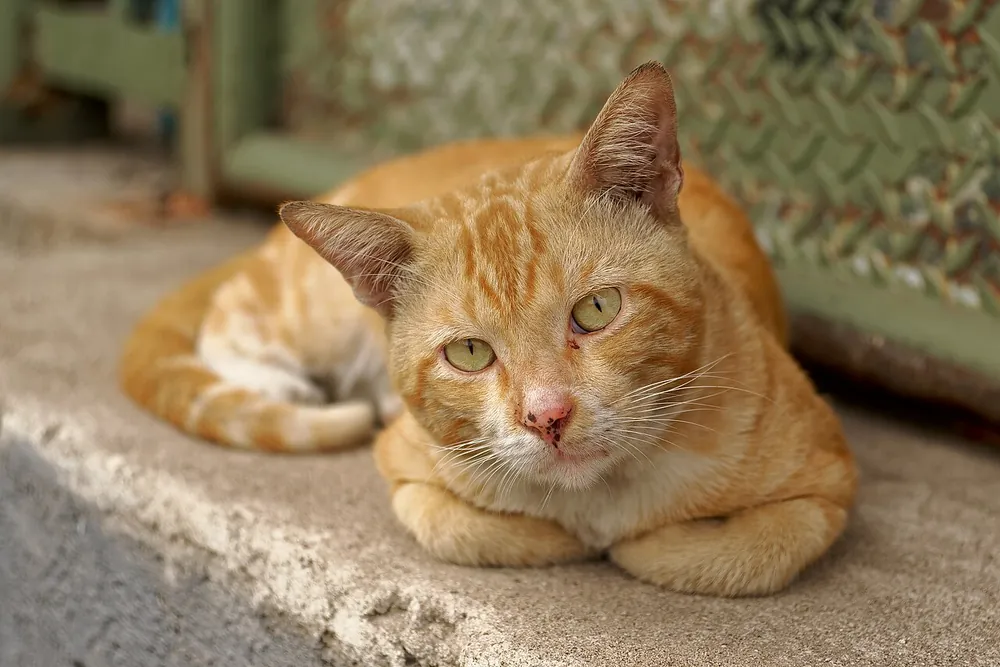
From deep orange to a pale orange-blond, almost always with darker stripes or swirls (mackerel or classic), although in some the pattern is so faint they look plain. Gold, copper or green eyes, pink nose and paw pads. With age many build up black freckles on the lips, nose and eyelids.
The genetics, made simple
The orange gene sits on the X chromosome. A male (XY) has only one X: if it carries the orange version, he is ginger; if not, he is not. A female (XX) needs the orange version on both Xs to be ginger; with only one, she is tortoiseshell. That is why far more ginger males are born than females: a figure of around 80% is often quoted, although it varies between populations. In 2025, two teams (one at Kyushu University, in Japan, and another at Stanford University) published that orange is caused by a small deletion within the ARHGAP36 gene. Orange also overrides the effect of “non-agouti”: that is why a truly plain ginger cat practically does not exist and almost all of them show stripes.
Myths and what science says
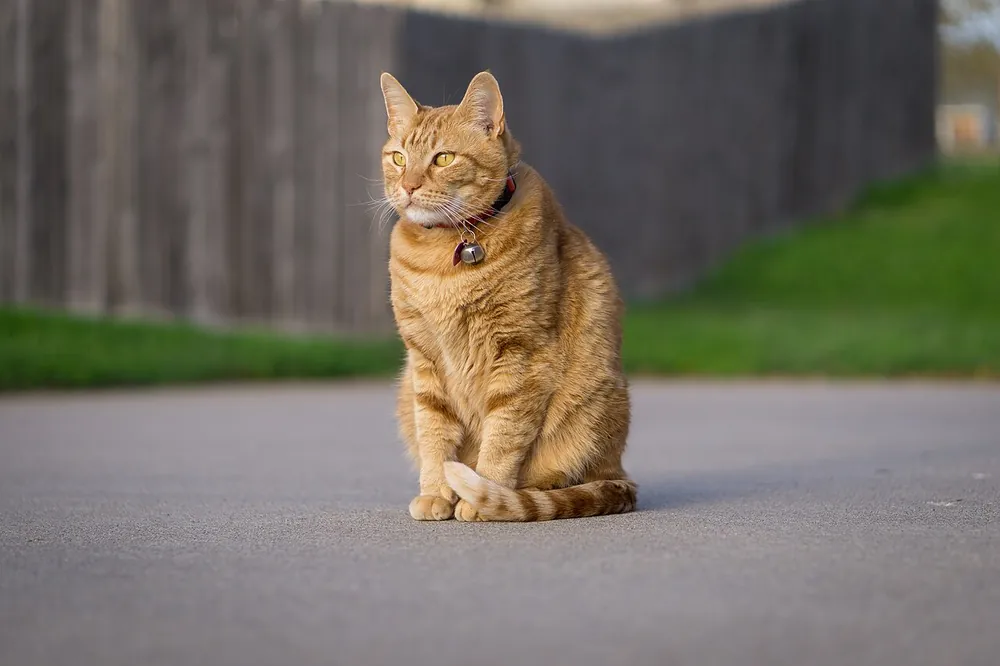
“Ginger cats are more affectionate”
It is a very widespread reputation, and in surveys people attribute a friendlier personality to ginger cats (for example, in a study published in 2012 by Delgado and colleagues, in California, on how we perceive cats by colour). But that measures what we believe, not what they are like. There is no solid evidence that colour changes personality. What does play a part is that most are male, and neutered males have a reputation for being a little more sociable, although every cat is different.
“They share one brain cell”
The internet joke that ginger cats are a bit dim has no basis at all. Their intelligence does not depend on their colour.
“There are no ginger females”
There are, just fewer of them: they need to inherit the orange gene from both parents (from a ginger or tortoiseshell mother and a ginger father).
Fun facts
- Garfield, Puss in Boots from Shrek and the cat in Breakfast at Tiffany’s are all ginger.
- The black freckles on the mouth and nose are called lentigo and are typical of ginger, cream and tortoiseshell cats.
- People say ginger, orange or marmalade; in cat registries, the official colour is “red”.
Does it affect its health?
The colour does not cause any disease. Lentigo (flat black freckles on the lips, nose, gums and eyelids) is benign and very common in ginger cats; even so, if a spot grows, becomes raised or bleeds, have the vet look at it. Pale skin on the nose can burn in the sun in cats that spend a lot of time outdoors.
Breeds where it appears or is typical
This coat turns up in plenty of moggies. These are breeds where it is common, characteristic or accepted; under each one, the colours the breed comes in.
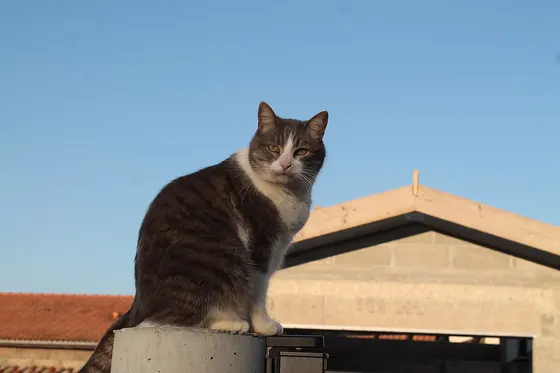 European Shorthair
Shorthair · Europe
Almost all: tabby, black, white, bicolour, tortoiseshell, red…; no colourpoint, chocolate or lilac in pedigree cats
European Shorthair
Shorthair · Europe
Almost all: tabby, black, white, bicolour, tortoiseshell, red…; no colourpoint, chocolate or lilac in pedigree cats
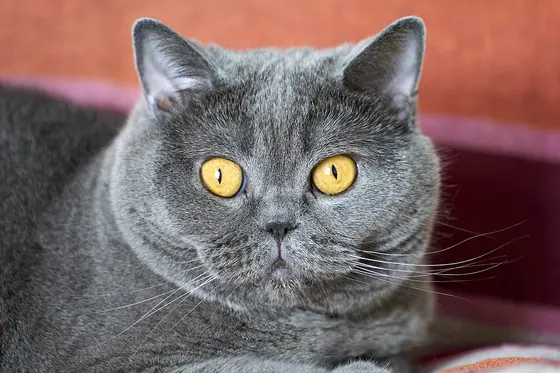 British Shorthair
Shorthair · United Kingdom
Blue (the classic), black, white, cream, lilac, chocolate, silver, golden, bicolours, colourpoint…
British Shorthair
Shorthair · United Kingdom
Blue (the classic), black, white, cream, lilac, chocolate, silver, golden, bicolours, colourpoint…
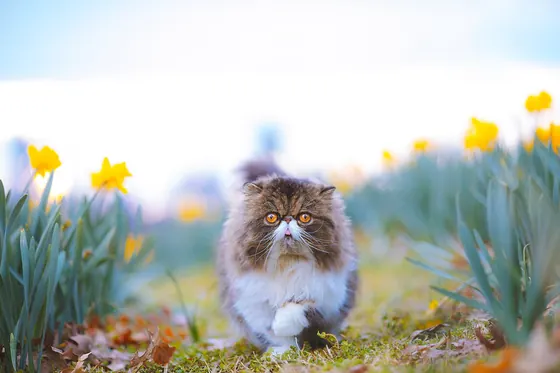 Persian
 · Iran / United Kingdom
Almost all: white, black, blue, cream, chinchilla, golden, bicolour, tortoiseshell…
Persian
Persian · Iran / United Kingdom
Almost all: white, black, blue, cream, chinchilla, golden, bicolour, tortoiseshell…
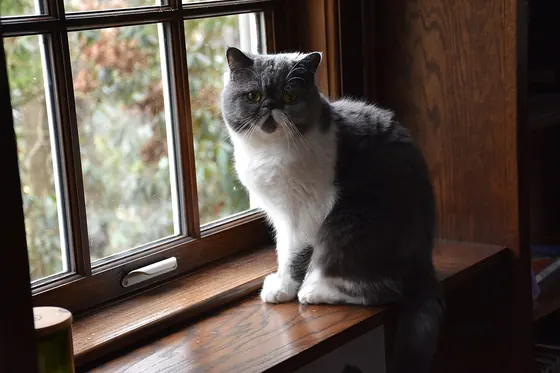 Exotic Shorthair
Persian · United States
The same as the Persian
Exotic Shorthair
Persian · United States
The same as the Persian
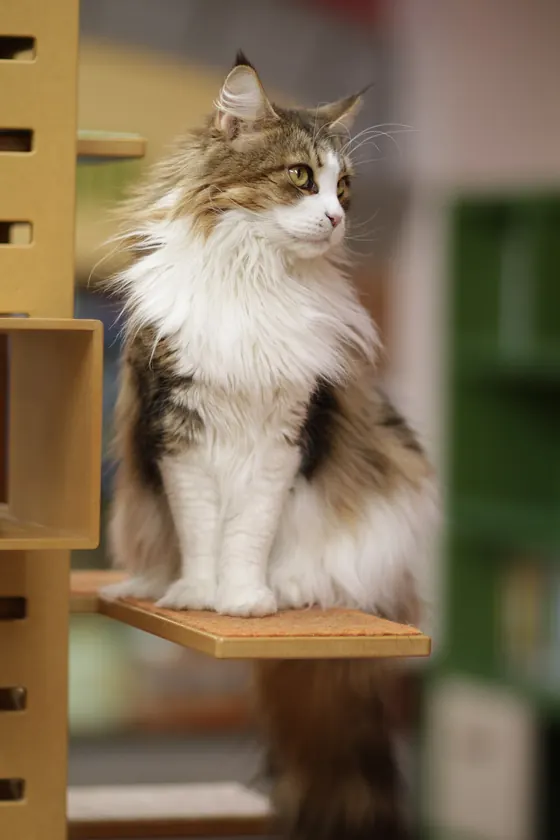 Maine Coon
Forest · United States
Almost all; the classic is brown tabby. No colourpoint in most registries
Maine Coon
Forest · United States
Almost all; the classic is brown tabby. No colourpoint in most registries
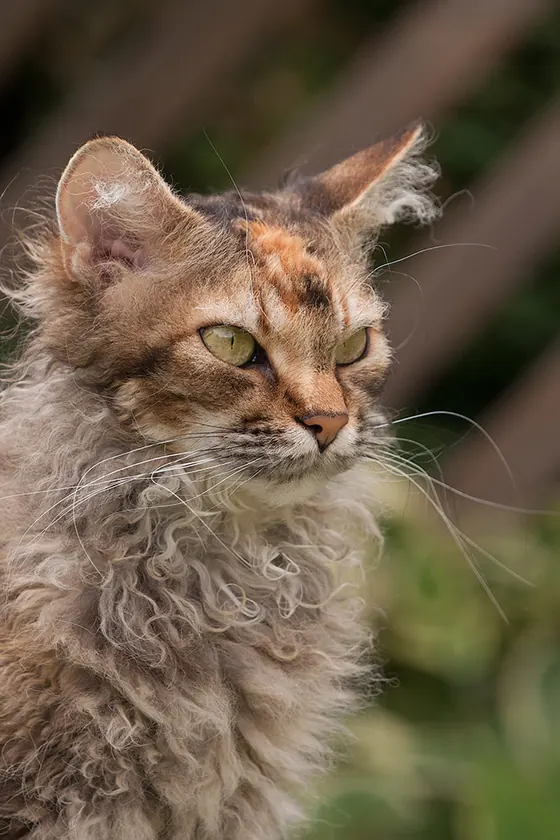 LaPerm
Rex & hairless · United States
All; tabbies, reds and tortoiseshells are very common
LaPerm
Rex & hairless · United States
All; tabbies, reds and tortoiseshells are very common
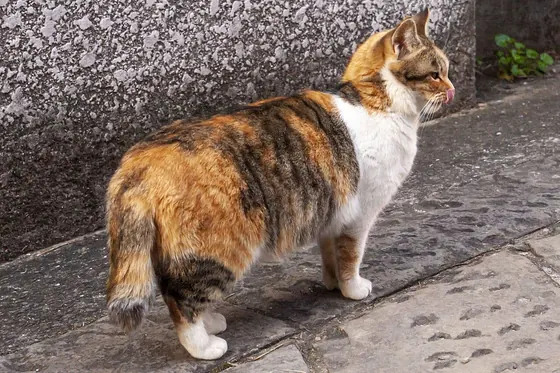 Japanese Bobtail
Tails & ears · Japan
All; the classic is the mi-ke tricolour (white, red and black)
Japanese Bobtail
Tails & ears · Japan
All; the classic is the mi-ke tricolour (white, red and black)
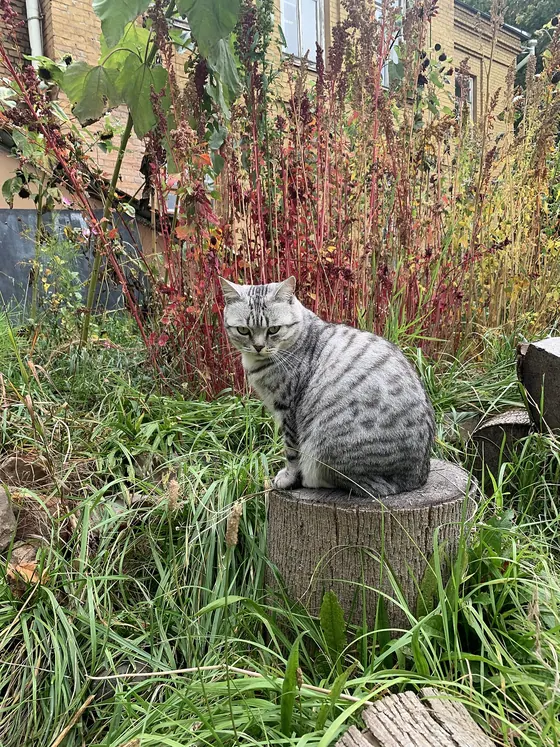 American Shorthair
Shorthair · United States
Dozens of colours; the most famous is the classic silver tabby
American Shorthair
Shorthair · United States
Dozens of colours; the most famous is the classic silver tabby
Frequently asked questions
Why are most ginger cats male?
Because the orange gene is on the X chromosome. A male needs only one copy; a female needs two, one from each parent. So there are many more ginger males than females, although ginger females do exist.
Are ginger cats more affectionate?
They have that reputation and many people believe it, but there is no solid evidence that colour influences personality. Socialisation, experience and the individual cat matter more.
Why does my ginger cat have black freckles on its mouth?
It is probably lentigo, flat, benign spots that are very typical of ginger cats. If one grows, becomes raised or changes, ask your vet.
Is there such a thing as a ginger cat without stripes?
Practically not. The orange gene means the tabby pattern always shows, although in some cats it is so faint they look plain.
Educational content from Michipedia. The genetics of coat colour are simplified so they are easy to follow; colour tells you nothing about the personality of a particular cat.