
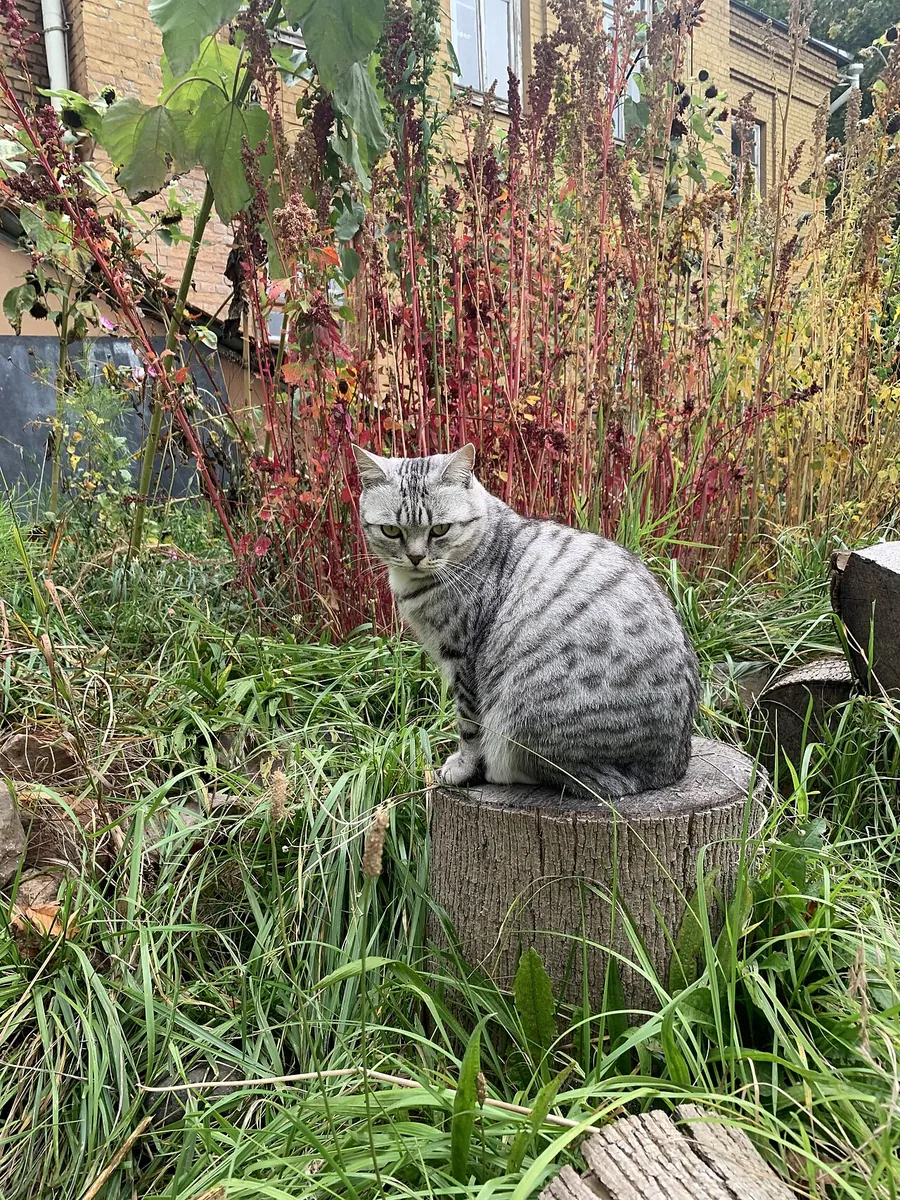
American Shorthair
Also known as: American · American cat · American farm cat · Domestic Shorthair
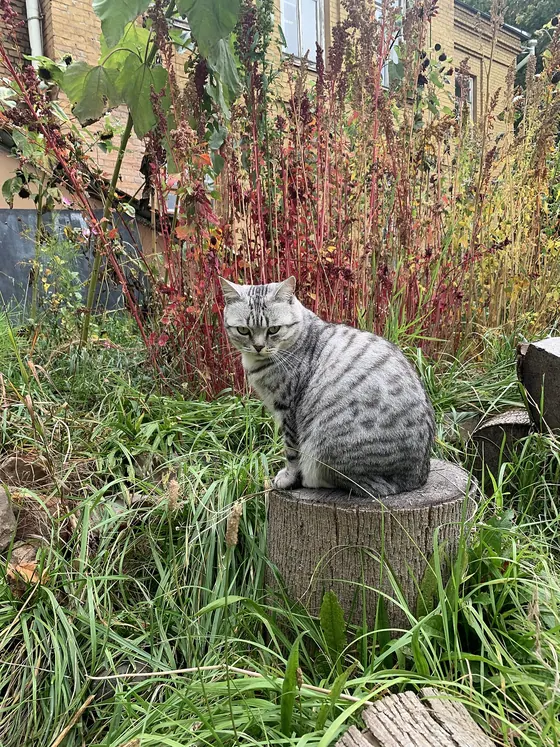
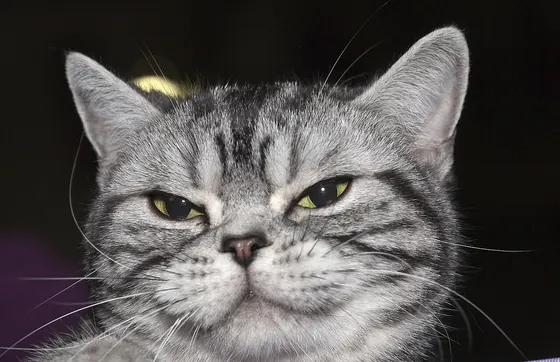
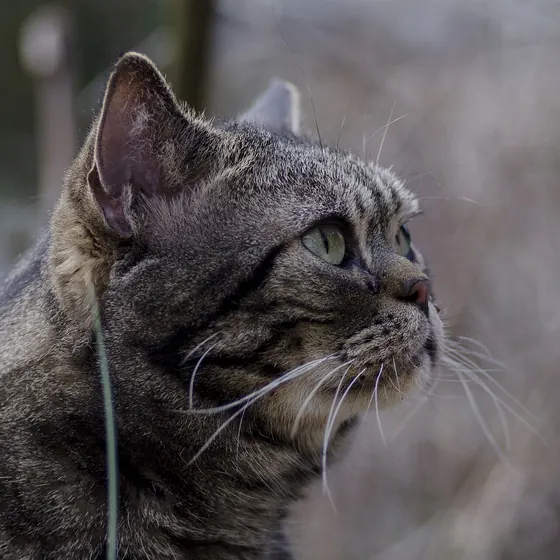
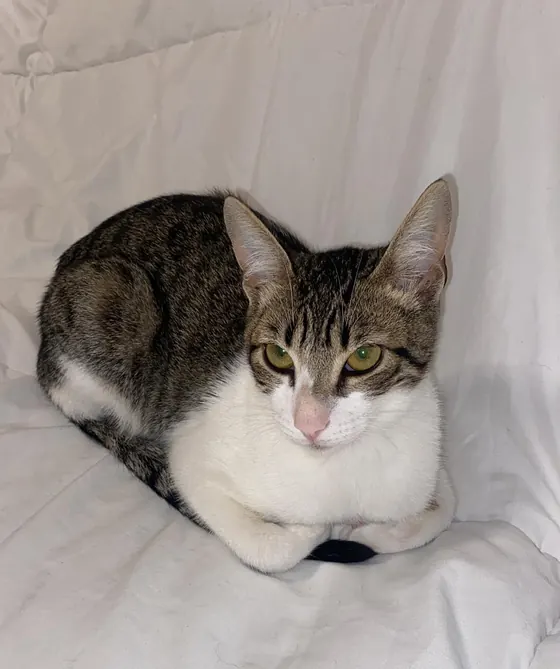
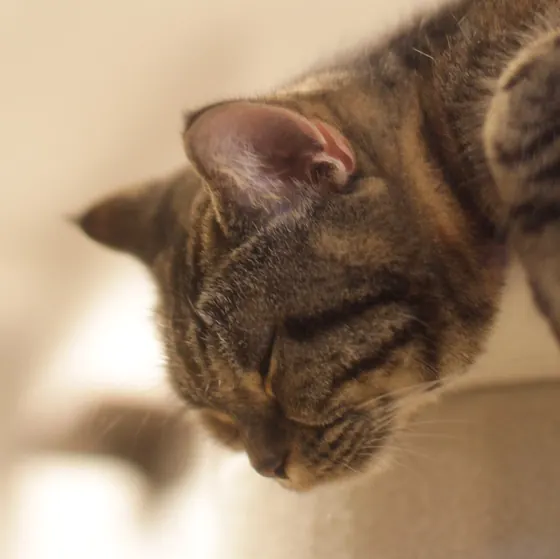
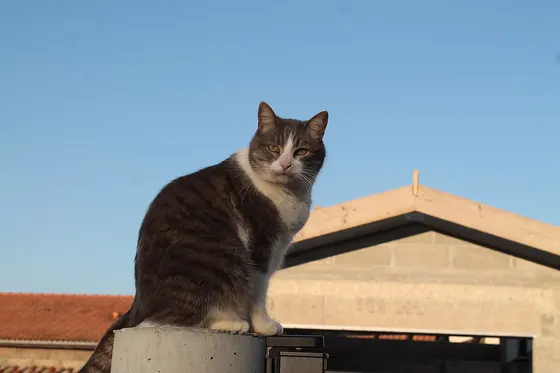
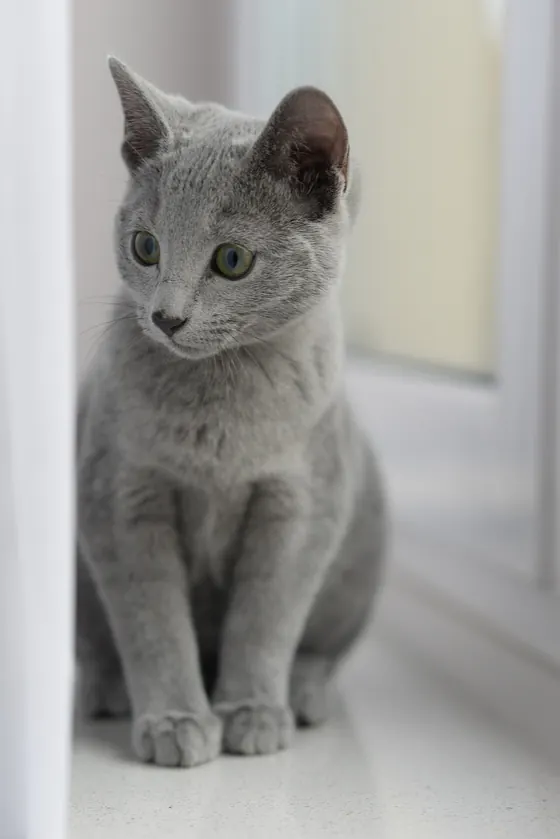
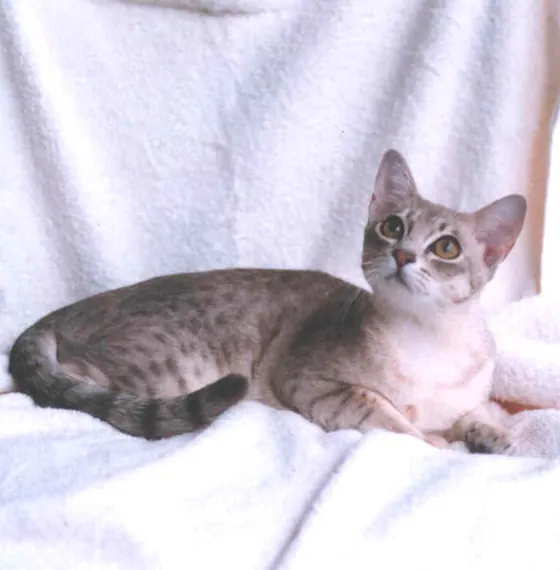
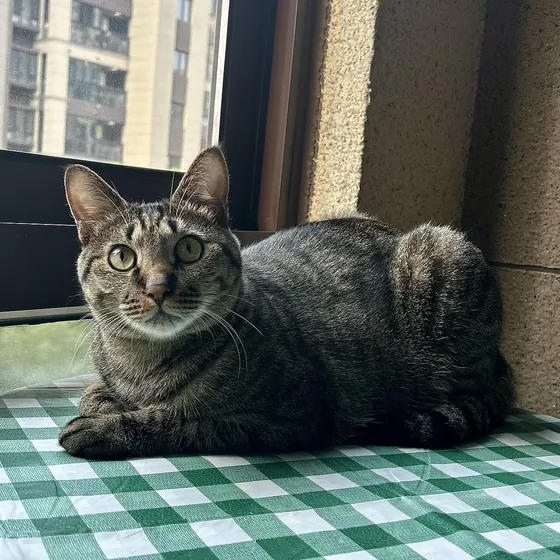
Photos: Mocmuk (CC BY 4.0) · Nickolas Titkov from Moscow, Russian Federation (CC BY-SA 2.0) · lisa cee (Lisa Campeau) (CC BY 2.0) · Crispybeatle (CC0) · Takashi Hososhima from Tokyo, Japan (CC BY-SA 2.0), via Wikimedia Commons.
Breed profile
* An estimate for Spain in 2026 (food, litter, vet and insurance), based on the size, grooming and health needs of the breed, not on measured costs of individual cats.
What it is like
It descends from the cats that sailed on European settlers' ships to keep the mice down and stayed on to work on North American farms and in warehouses. Breeders began selecting it in the early 20th century, and it was among the first breeds recognised by the CFA, in 1906, then under the name Domestic Shorthair. It is a sturdy, muscular cat with a broad face, full cheeks and strong legs, and a very balanced temperament: affectionate without smothering, playful without going wild and patient with children. In Spain it is uncommon; the European, of similar type, is much easier to find.
Coat colours and patterns
Colours and patterns that are common or accepted in this breed. Each page explains where the colour comes from, the myths around it and other breeds that have it.
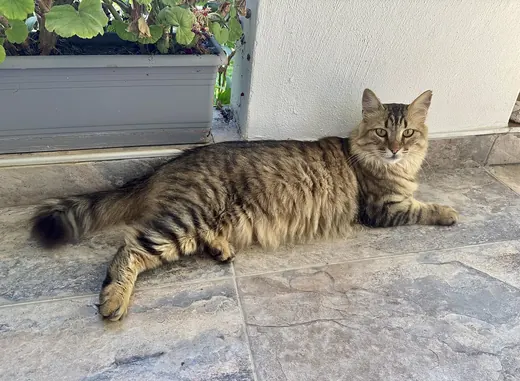 Tabby
Pattern · Tabby, Striped cat
Tabby
Pattern · Tabby, Striped cat
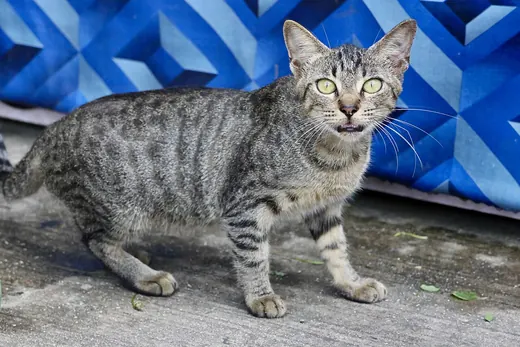 Mackerel tabby
Pattern · Mackerel tabby, Striped tabby
Mackerel tabby
Pattern · Mackerel tabby, Striped tabby
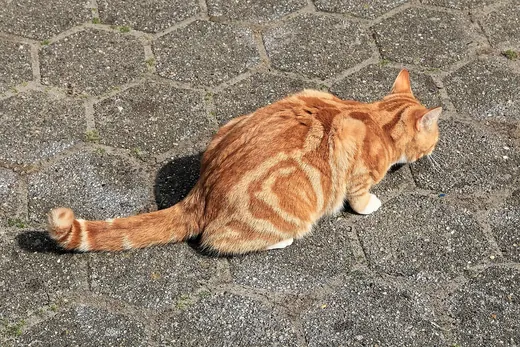 Classic tabby
Pattern · Classic tabby, Blotched tabby
Classic tabby
Pattern · Classic tabby, Blotched tabby
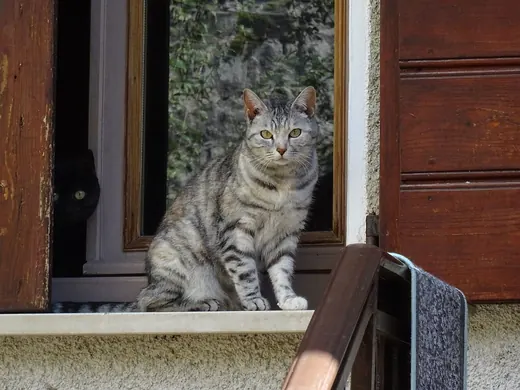 Silver tabby
Colour and pattern · Silver tabby, Silver cat
Silver tabby
Colour and pattern · Silver tabby, Silver cat
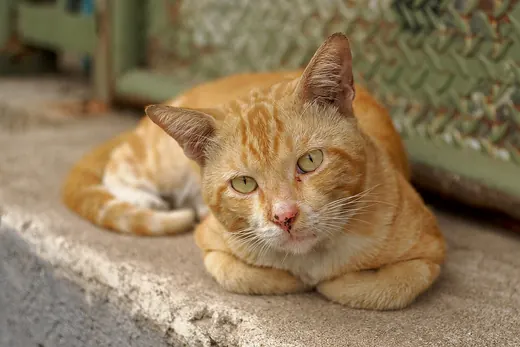 Ginger
Colour · Orange cat, Red cat
Ginger
Colour · Orange cat, Red cat
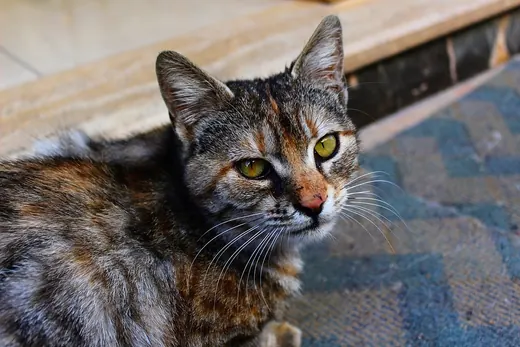 Torbie
Colour and pattern · Torbie, Tortie tabby
Torbie
Colour and pattern · Torbie, Tortie tabby
All cat coat colours and patterns →
Temperament
Care
Weekly brushing and a bit more during the moult. It keeps its hunting instinct, so it enjoys wand games and toys that move. It tends to put on weight if fed freely: weigh its portions and watch the treats. It adapts well to flat life and copes reasonably with hours alone. If you are looking for one, make sure it has a pedigree: many ordinary tabbies are advertised as “American” without being so.
Health
It is a healthy, long-lived breed. Hypertrophic cardiomyopathy (HCM) has been described, so breeding cats should have echocardiograms, and obesity is its most common problem at home. Otherwise, the kidney disease and dental problems typical of any older cat. Annual check-ups and weight control.
Fun facts
The classic silver tabby, with black swirls on its sides, is its best-known image.
Until 1966 it was called the Domestic Shorthair; the name was changed to set it apart from non-pedigree house cats.
It is often said that its ancestors sailed on the Mayflower in 1620, although there is no record to prove it.
It played a part in creating breeds such as the Bombay and the Exotic Shorthair.
Frequently asked questions
How big does a American Shorthair get?
An adult American Shorthair usually weighs 3.5–7 kg (8–15 lb) and stands about 25–33 cm (10–13 in) at the shoulder, which makes it a medium cat.
How long does a American Shorthair live?
Its usual life expectancy is 12–16 years. Living indoors, being neutered and having regular vet check-ups make the biggest difference.
Is the American Shorthair hypoallergenic?
No. It produces the usual cat allergens. If someone at home is allergic, spend time with the breed before deciding and talk to an allergist.
Is the American Shorthair good with children?
Usually yes: it tends to be patient and sociable with children. As with any cat, teach children to let it walk away when it has had enough.
How much play does a American Shorthair need?
As a guide, 20 min of play a day. Its activity score is 3 out of 5: short daily play sessions with a wand toy work better than one long one.
Similar breeds
All breeds A to Z Cost calculator (Spanish) Food portions (Spanish)