
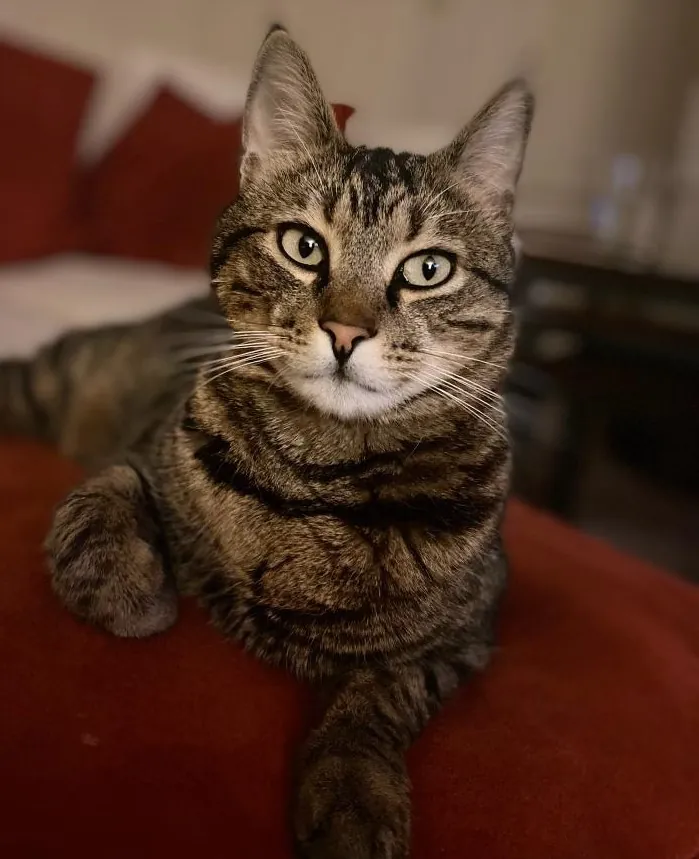
Aegean
Also known as: Aegean cat · Greek cat · Cycladic cat · Greek island cat
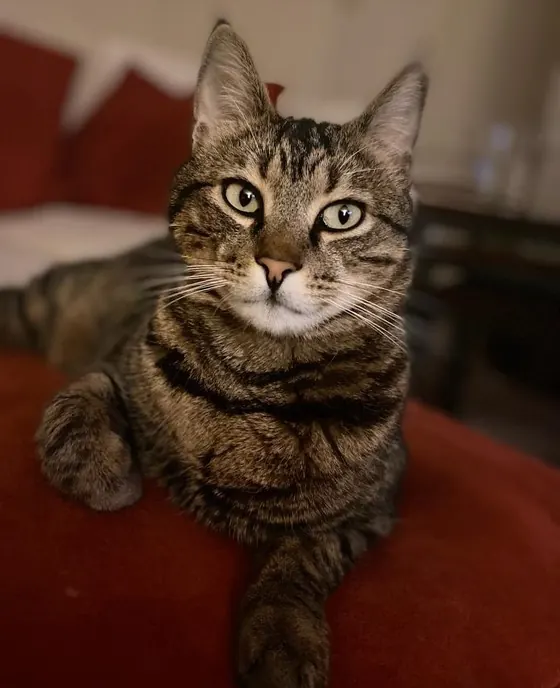
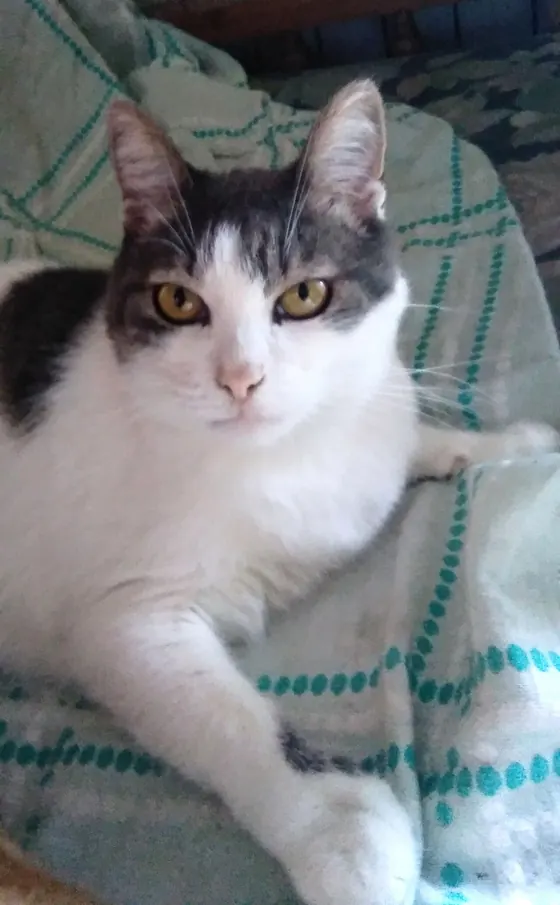
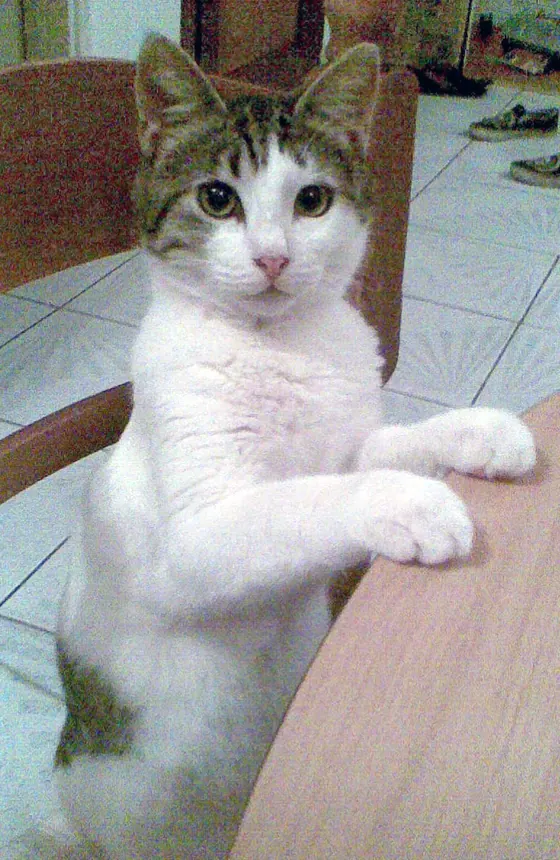
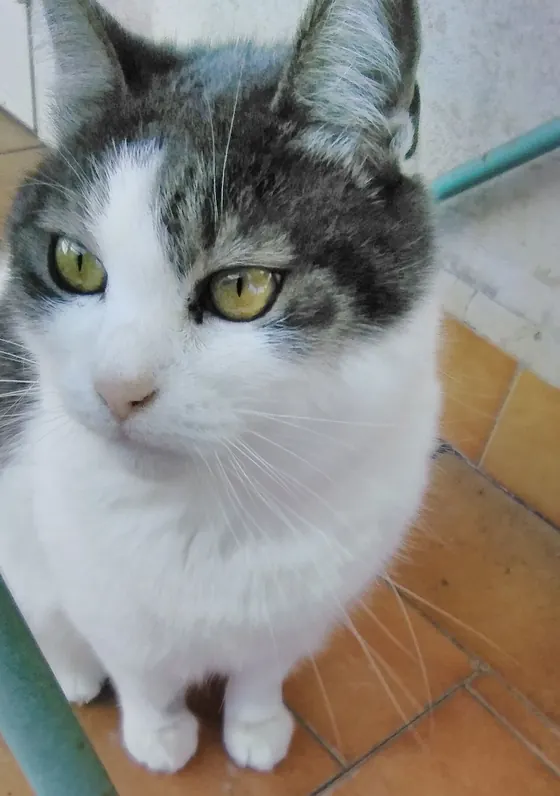
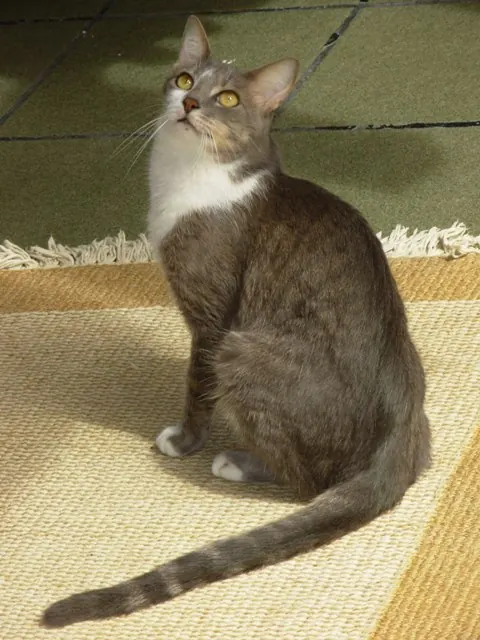
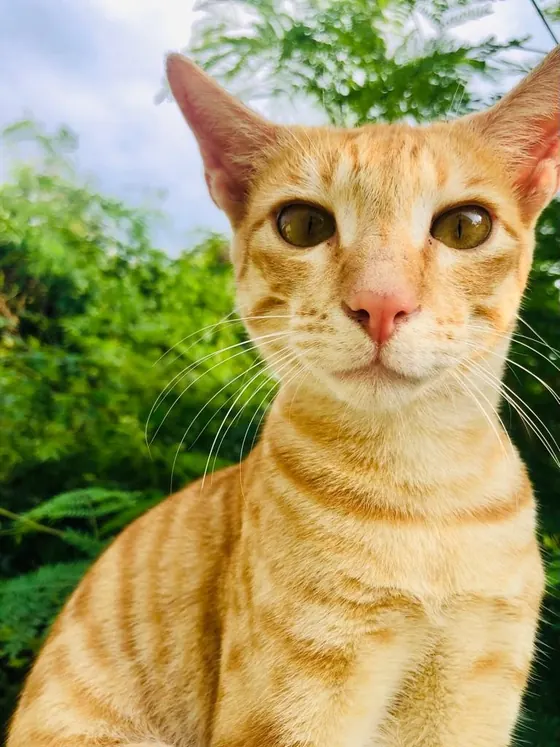
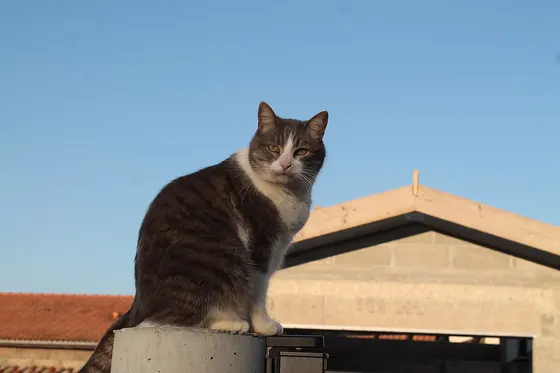
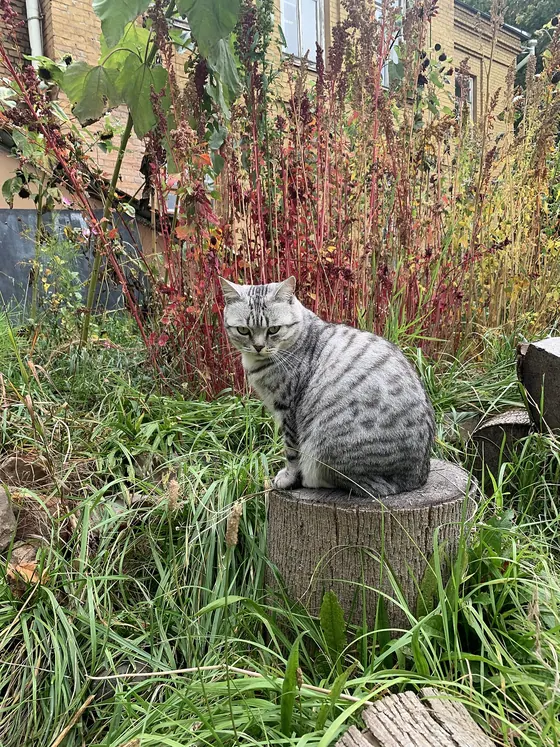
Photos: Sam Holt (CC BY-SA 4.0) · Jeanne Griffin (CC BY-SA 4.0) · Barc0de (CC BY 3.0), via Wikimedia Commons.
Breed profile
* An estimate for Spain in 2026 (food, litter, vet and insurance), based on the size, grooming and health needs of the breed, not on measured costs of individual cats.
What it is like
It is the cat anyone has seen in a harbour in the Cyclades: a natural population, formed without human intervention over centuries on the islands of the Aegean Sea and on the western coast of Turkey. In the early 1990s the first Greek breeders began breeding it selectively to turn it into a breed, although none of the large international registries recognises it yet. It is a medium-sized, muscular cat with a coat between short and semi-long, almost always bicolour or tricolour with plenty of white, and with a reputation for getting on with water: in the harbours it waits for the fishermen, and some people have seen it fishing from the shore. In character it is clever, active and communicative, and adapts well to living in a flat.
Temperament
Care
Its coat looks after itself with a weekly brush. It needs hunting play every day, high places and something to do: it is a cat used to fending for itself. At home, secure windows and balconies. If you fall for one on holiday in Greece and bring it home, it will need a microchip, a rabies vaccination and the right travel paperwork (within the EU, a European pet passport), and it is wise to test it for leukaemia (FeLV) and immunodeficiency virus (FIV) and deworm it before it meets other cats.
Health
As it was formed by natural selection, it has no known inherited diseases of its own, although there are no breed-specific studies either. Its risks are those of cats in general: kidney disease in old age, tartar, obesity if neutered without adjusting its food, and cystitis. Those that come off the street may bring parasites, calicivirus or FIV. Annual check-up and blood tests from the age of seven.
Fun facts
It is considered Greece's only native cat variety.
On Santorini, Mykonos or Paros it is common to see them waiting on the quay for the fishing boats.
The feral cats of the Cyclades are great hunters of the islands' endemic wall lizard, Podarcis erhardii.
An Aegean without papers and an ordinary bicolour moggy can be identical: what changes is the origin and the registration, not the cat.
Frequently asked questions
How big does a Aegean get?
An adult Aegean usually weighs 3–5 kg (7–11 lb) and stands about 23–28 cm (9–11 in) at the shoulder, which makes it a medium cat.
How long does a Aegean live?
Its usual life expectancy is 12–16 years. Living indoors, being neutered and having regular vet check-ups make the biggest difference.
Is the Aegean hypoallergenic?
No. It produces the usual cat allergens. If someone at home is allergic, spend time with the breed before deciding and talk to an allergist.
Is the Aegean good with children?
Usually yes: it tends to be patient and sociable with children. As with any cat, teach children to let it walk away when it has had enough.
How much play does a Aegean need?
As a guide, 30 min of play a day. Its activity score is 4 out of 5: short daily play sessions with a wand toy work better than one long one.
Similar breeds
All breeds A to Z Cost calculator (Spanish) Food portions (Spanish)