
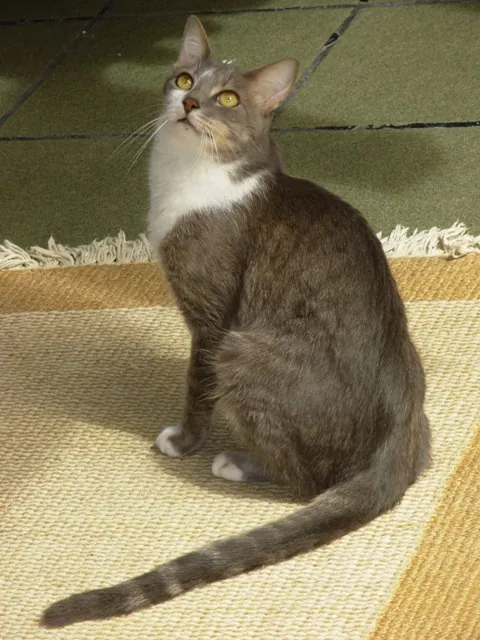
Brazilian Shorthair
Also known as: Pelo Curto Brasileiro · Brazilian cat · Brazilian Shorthair cat · Brazilian street cat
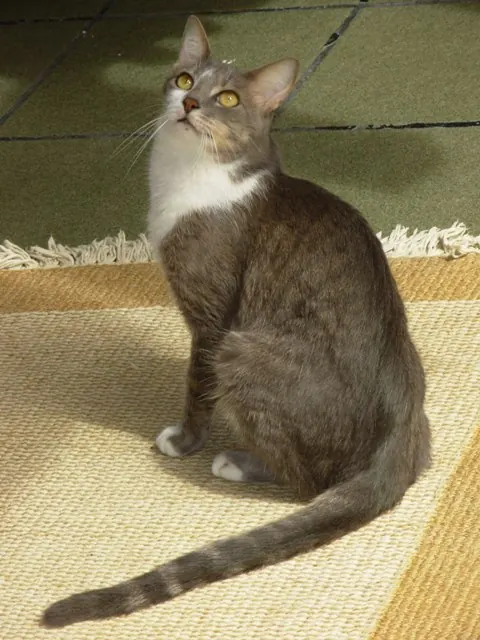
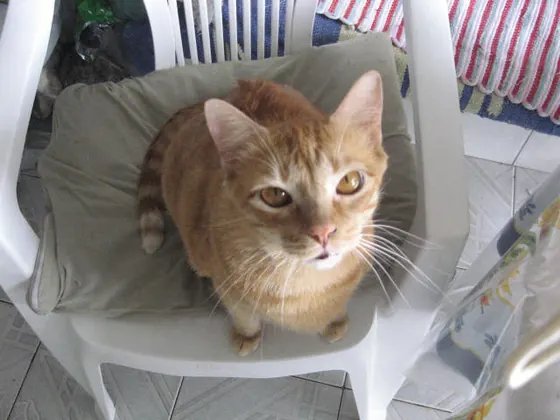
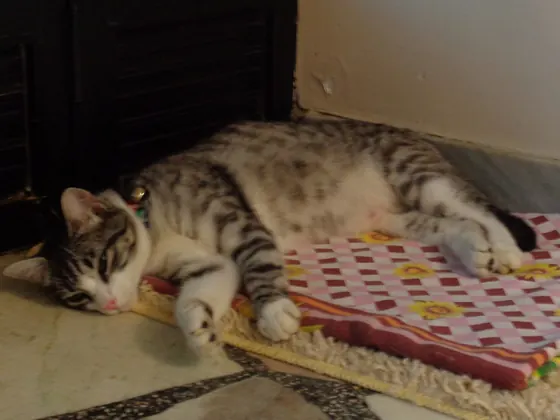
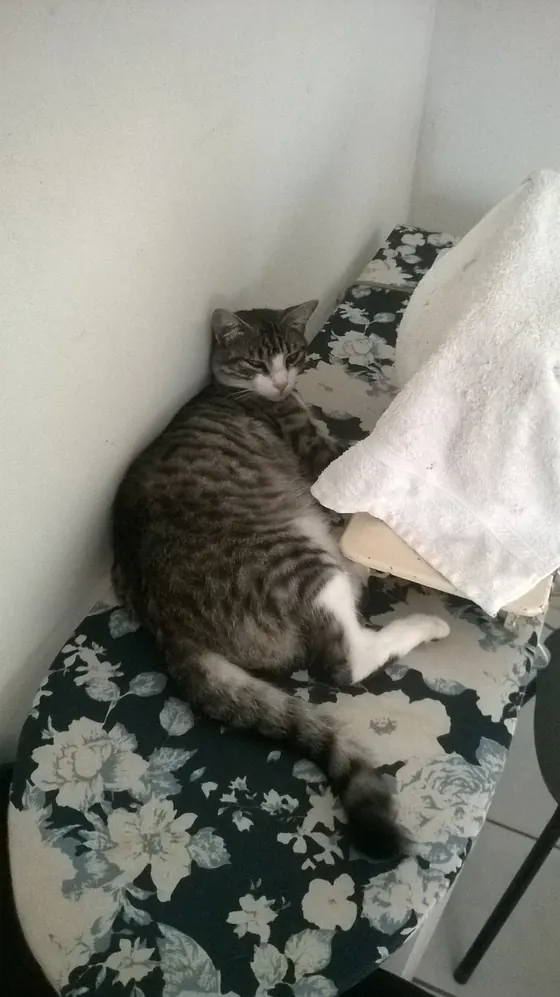
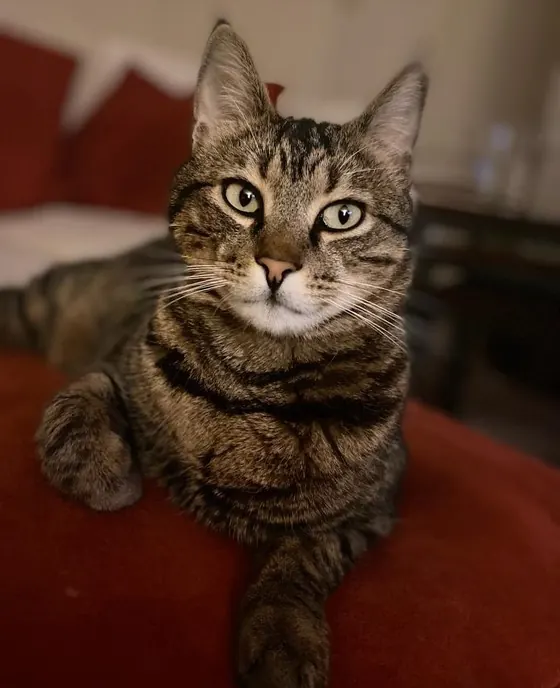
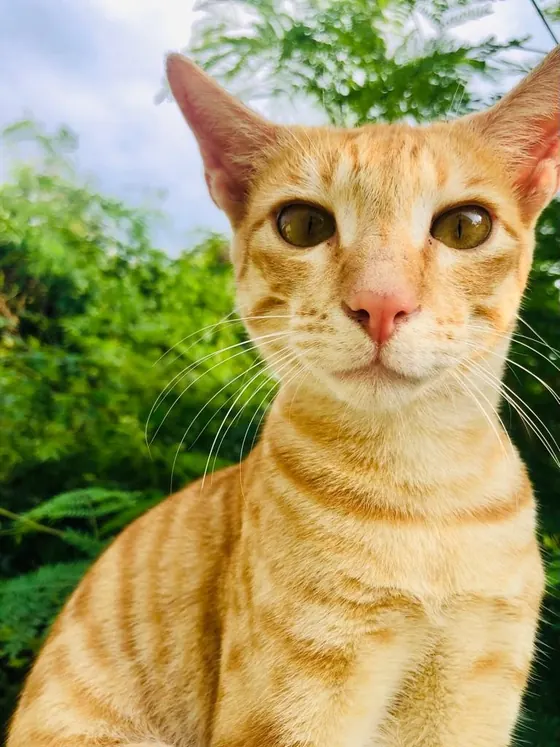
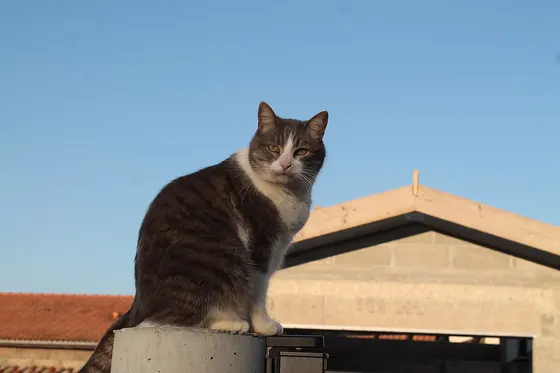
Photos: J.Jazz (CC BY-SA 3.0) · Junius (CC BY-SA 3.0) · Moeção (CC BY 3.0) · Torcedor Mateense (CC BY-SA 4.0), via Wikimedia Commons.
Breed profile
* An estimate for Spain in 2026 (food, litter, vet and insurance), based on the size, grooming and health needs of the breed, not on measured costs of individual cats.
What it is like
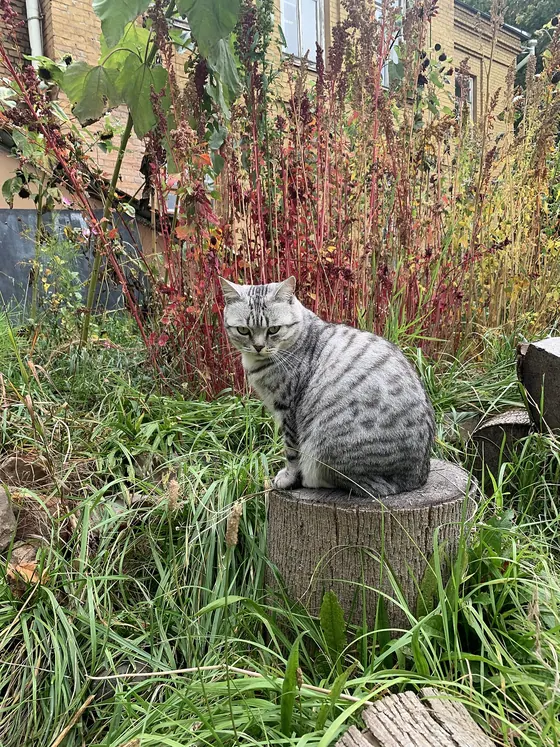
In 1985 the engineer Paulo Samuel Ruschi, founder of Brazil's first cat federation and of the first cat club in Rio de Janeiro, set out to turn the cats living in his country's streets and parks into a breed. His theory is that they descend from Iberian cats that arrived on Portuguese ships from 1500 onwards and that, over the centuries, the climate made them lighter and more streamlined. After years of experimental breeding, the WCF accepted it in the late 1990s and it became the first Brazilian breed with international recognition. It is a medium-sized, agile cat, finer than the European but not as extreme as the Oriental type, with large ears, very expressive eyes and an extremely short coat with no undercoat. Playful when young and somewhat calmer as an adult.
Temperament
Care
The coat is almost no work: a rubber mitt now and then and little else, because it sheds very little. Daily play, scratching posts and high places. It adapts just as well to a flat as to a house, always with secure windows and balconies. Outside Brazil it is extremely rare as a pedigree cat; if it is the temperament you like, an ordinary cat adopted from a shelter is much the same.
Health
Its genetic base is broad and no inherited diseases of its own have been described. It is affected by the common cat problems: tartar, excess weight, cystitis and kidney disease with age. Neutering, vaccinations, parasite control and an annual check-up, as for any cat.
Fun facts
It was the first Brazilian cat breed with international recognition.
In Brazil it is known as the Pelo Curto Brasileiro.
According to its creator, its ancestors arrived on Portuguese ships from 1500 onwards, which makes it a distant cousin of the cats of the Iberian Peninsula.
Its standard asks for the distance between the eyes to equal the width of one eye.
Frequently asked questions
How big does a Brazilian Shorthair get?
An adult Brazilian Shorthair usually weighs 3–5 kg (7–11 lb) and stands about 23–28 cm (9–11 in) at the shoulder, which makes it a medium cat.
How long does a Brazilian Shorthair live?
Its usual life expectancy is 13–17 years. Living indoors, being neutered and having regular vet check-ups make the biggest difference.
Is the Brazilian Shorthair hypoallergenic?
No. It produces the usual cat allergens. If someone at home is allergic, spend time with the breed before deciding and talk to an allergist.
Is the Brazilian Shorthair good with children?
Usually yes: it tends to be patient and sociable with children. As with any cat, teach children to let it walk away when it has had enough.
How much play does a Brazilian Shorthair need?
As a guide, 30 min of play a day. Its activity score is 4 out of 5: short daily play sessions with a wand toy work better than one long one.
Similar breeds
All breeds A to Z Cost calculator (Spanish) Food portions (Spanish)