
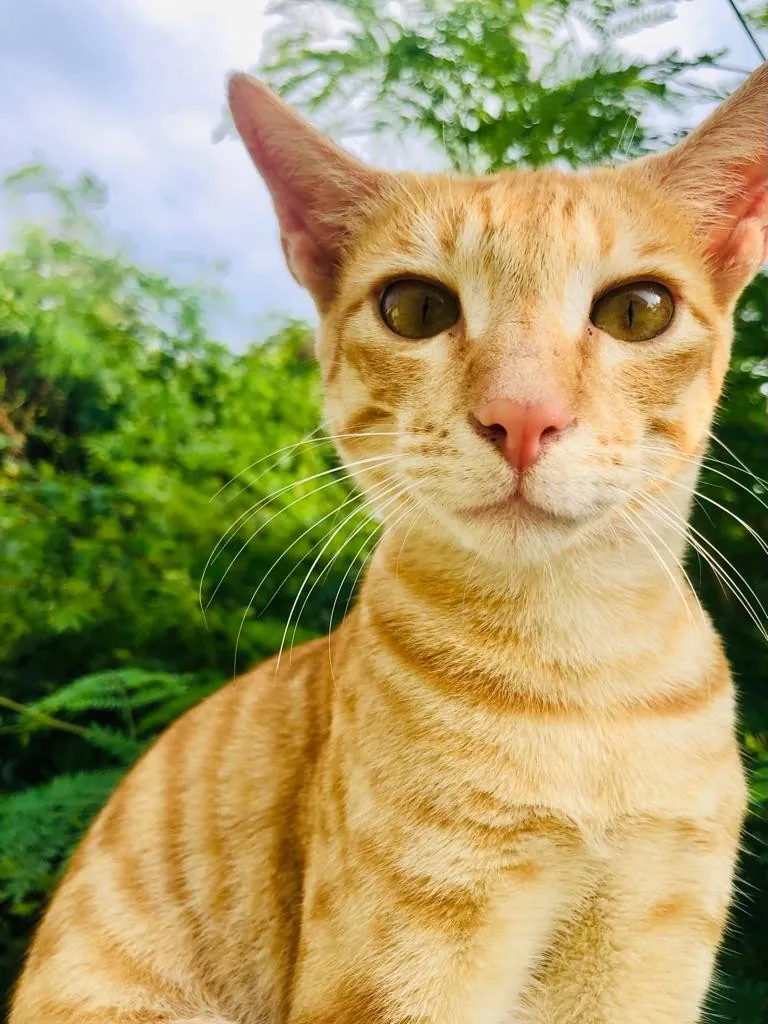
Arabian Mau
Also known as: Arabian Mau cat · Arab cat · Arabian cat · Desert cat
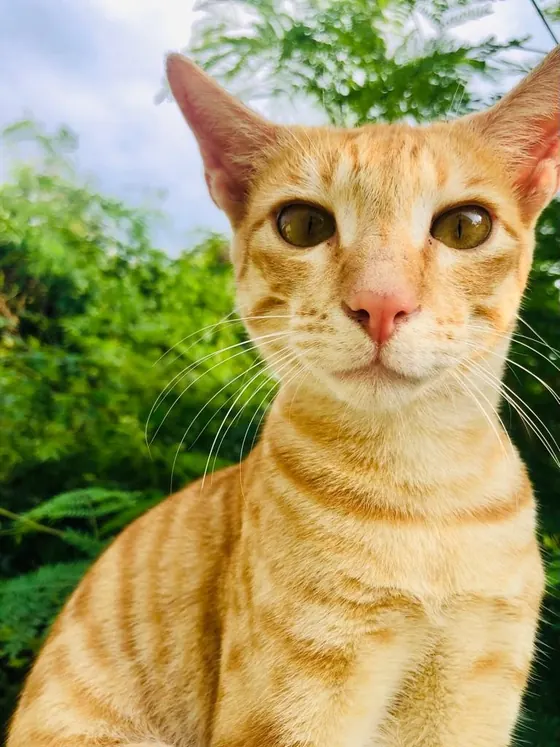
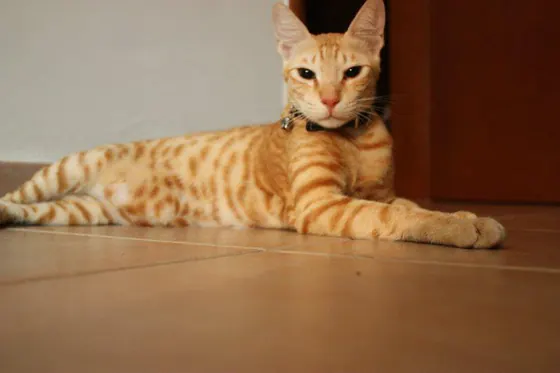
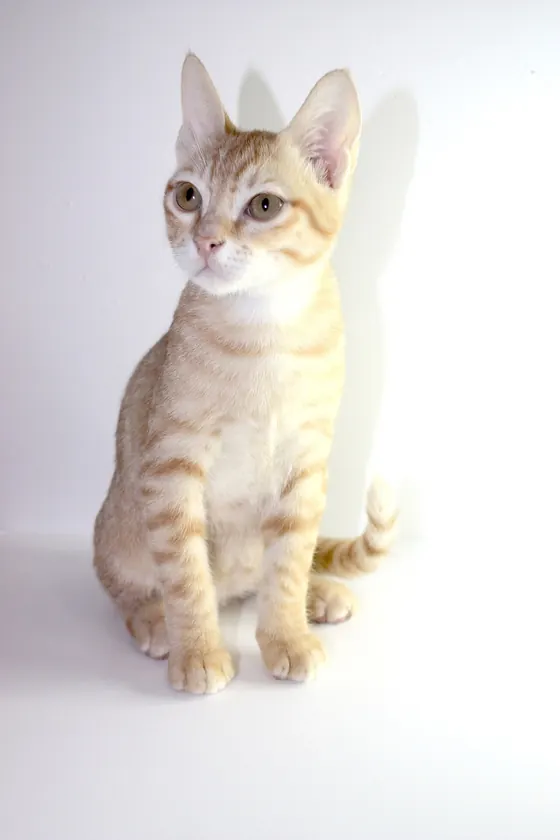
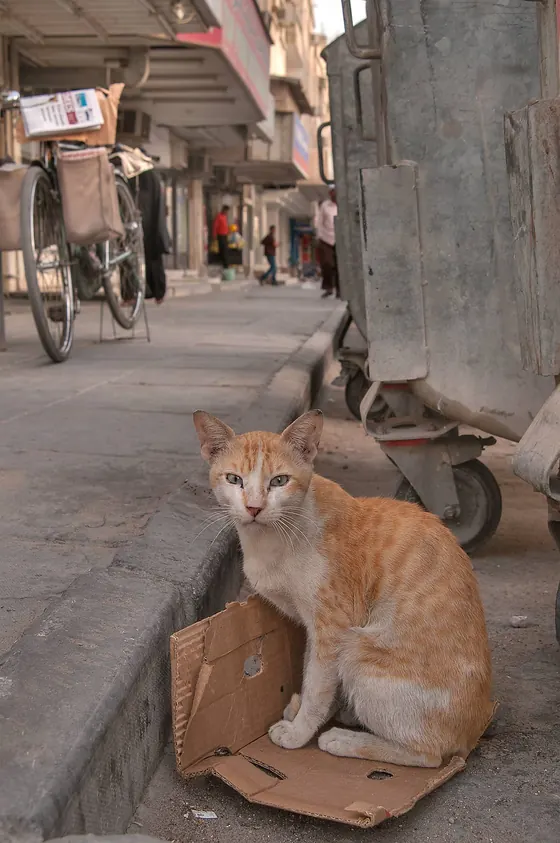
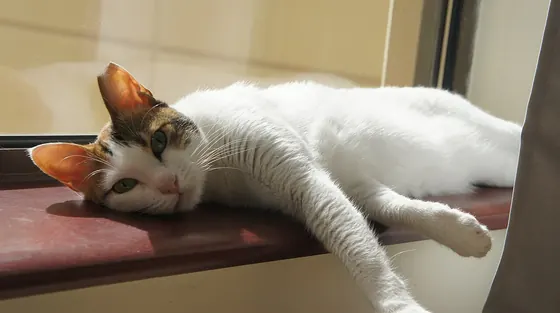
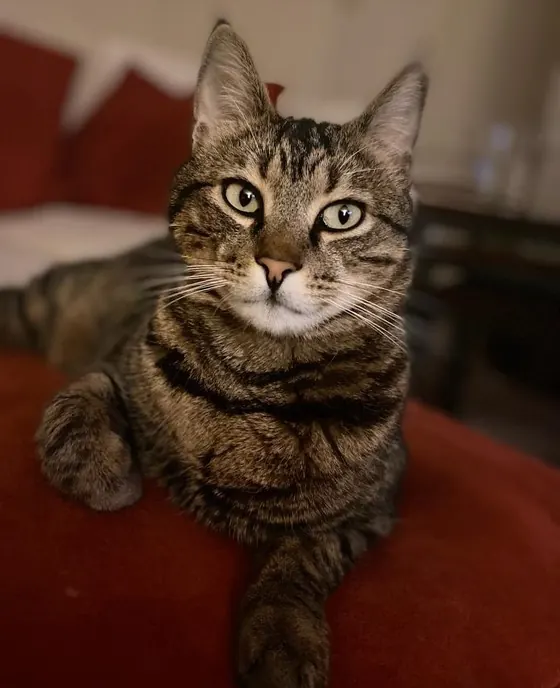
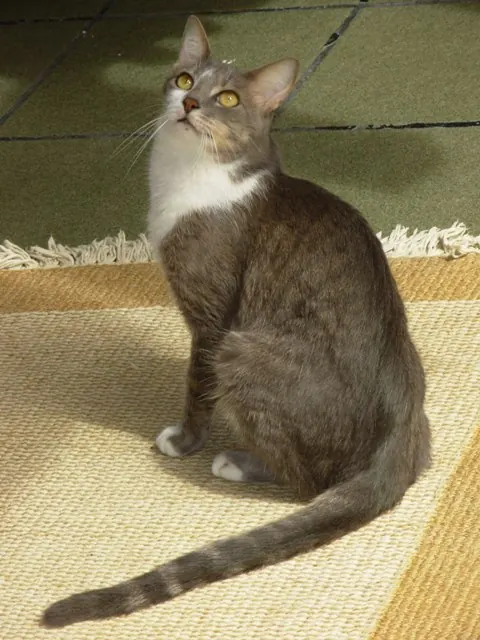
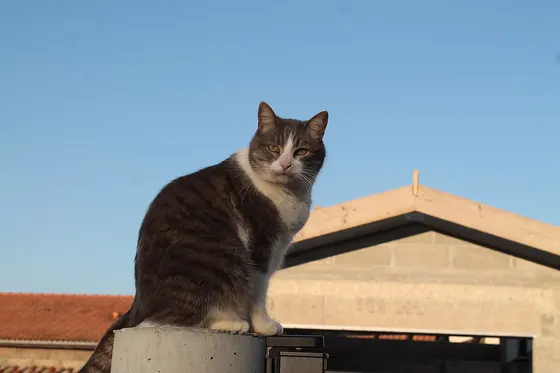
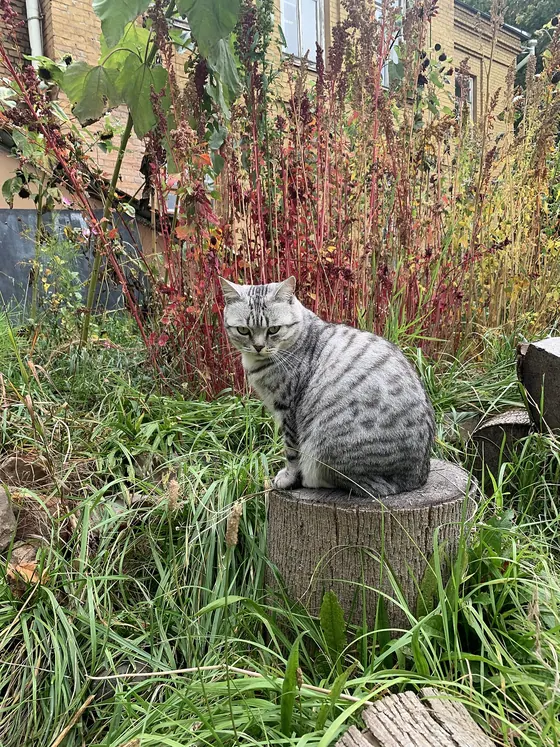
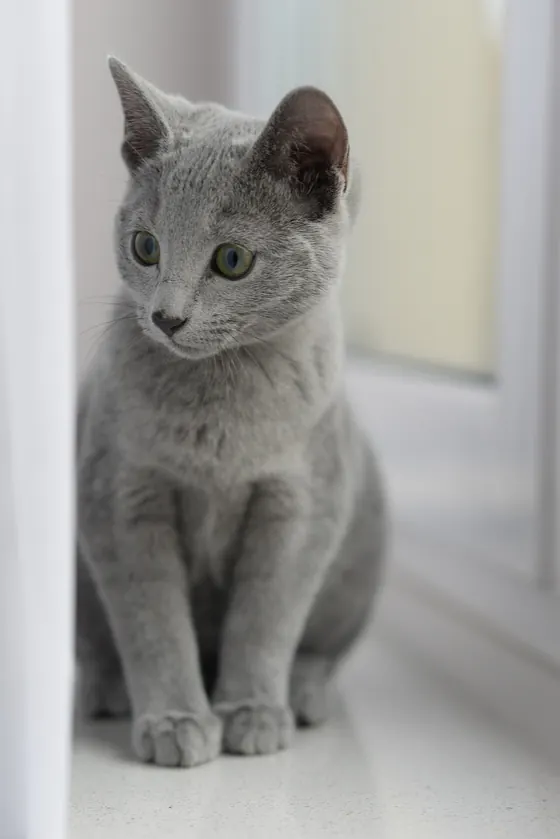
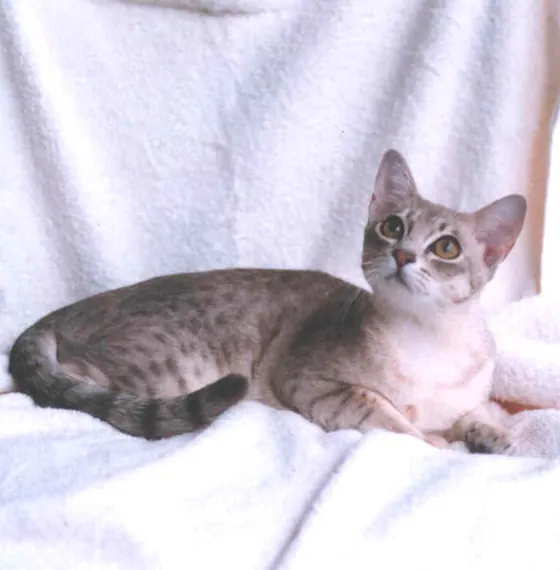
Photos: ராஜலட்சுமி ராஜேந்திரன் (CC BY-SA 4.0) · SolnishkoA (CC BY-SA 3.0) · Alex Sergeev (www.asergeev.com) (CC BY-SA 3.0) · Jeweliadubai (CC BY-SA 4.0), via Wikimedia Commons.
Breed profile
* An estimate for Spain in 2026 (food, litter, vet and insurance), based on the size, grooming and health needs of the breed, not on measured costs of individual cats.
What it is like
It has lived on the Arabian Peninsula for more than a thousand years, in the deserts and cities of Saudi Arabia, Kuwait, Qatar, Oman, Bahrain and the Emirates. It is a natural population adapted to heat and dryness, and its standard was written by observing those cats just as they are. The WCF approved it at its general assembly in August 2008, in Germany, and it has been eligible for shows since January 2009; the Emirates Feline Federation also recognises it. It is a medium-sized, firm and muscular cat with long legs, a slightly rounded head and large ears, and a short coat with no undercoat. In character it is loyal, active and clever; males can be considerably larger than females.
Temperament
Care
Having no undercoat, it sheds little: a weekly brush is enough and also brings out the shine. It is energetic and curious, so it needs hunting play every day, tall scratching posts and things to investigate. It adapts to a flat if it has stimulation. Although it tolerates heat very well, it always needs shade and fresh water to hand, like any cat.
Health
It is a natural, robust breed with no inherited diseases of its own described. Its problems are those of cats in general: tartar, cystitis, kidney disease in old age and obesity if overfed. Those that come off the street should be tested for FeLV and FIV. It is not hypoallergenic: it sheds little, but produces the Fel d 1 allergen like any cat.
Fun facts
The WCF approved it in August 2008 and it has been able to compete at shows since 1 January 2009.
Its standard was drafted by observing the cats that live in the streets and deserts of the Arabian Peninsula.
Despite the name, it is not a version of the Egyptian Mau: “mau” simply means “cat” in ancient Egyptian.
In the cities of the Gulf it is, quite simply, the everyday street cat.
Frequently asked questions
How big does a Arabian Mau get?
An adult Arabian Mau usually weighs 3.5–6 kg (8–13 lb) and stands about 25–30 cm (10–12 in) at the shoulder, which makes it a medium cat.
How long does a Arabian Mau live?
Its usual life expectancy is 12–16 years. Living indoors, being neutered and having regular vet check-ups make the biggest difference.
Is the Arabian Mau hypoallergenic?
No. It produces the usual cat allergens. If someone at home is allergic, spend time with the breed before deciding and talk to an allergist.
Is the Arabian Mau good with children?
Usually yes: it tends to be patient and sociable with children. As with any cat, teach children to let it walk away when it has had enough.
How much play does a Arabian Mau need?
As a guide, 30 min of play a day. Its activity score is 4 out of 5: short daily play sessions with a wand toy work better than one long one.
Similar breeds
All breeds A to Z Cost calculator (Spanish) Food portions (Spanish)