
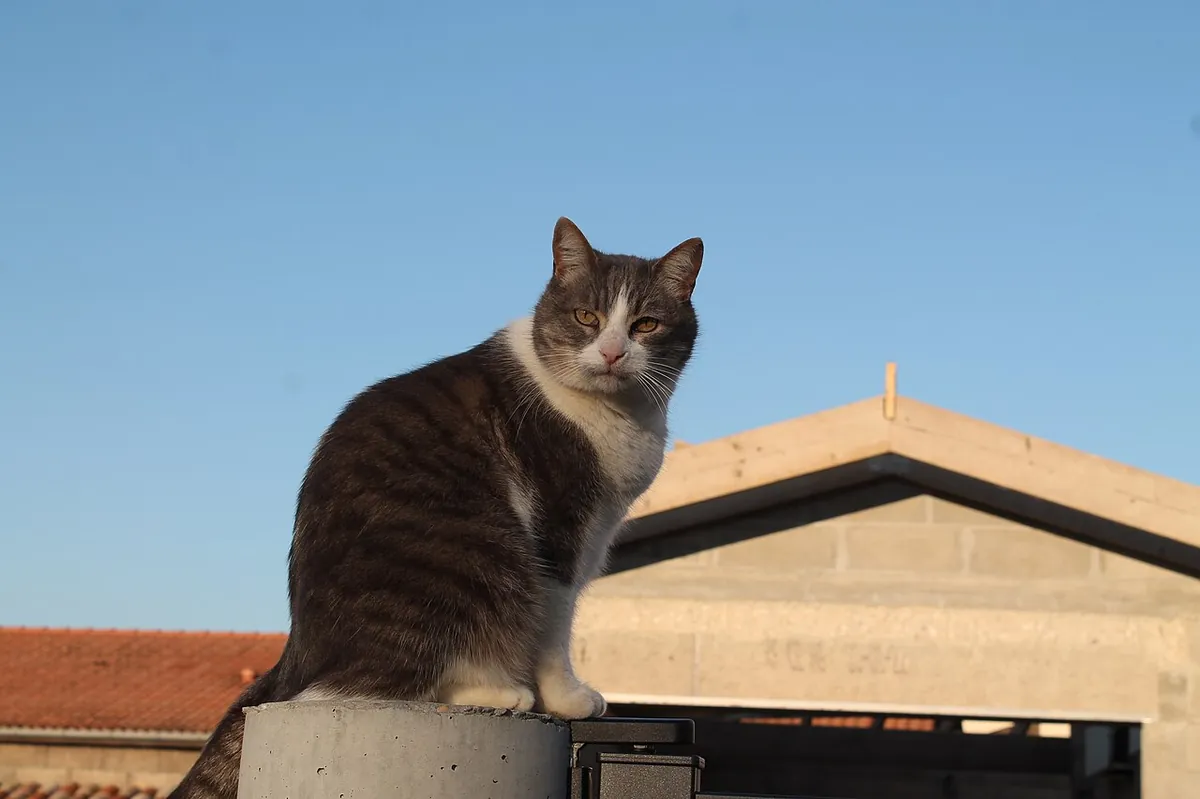
European Shorthair
Also known as: European · Celtic Shorthair · Celtic cat · European cat · Domestic shorthair
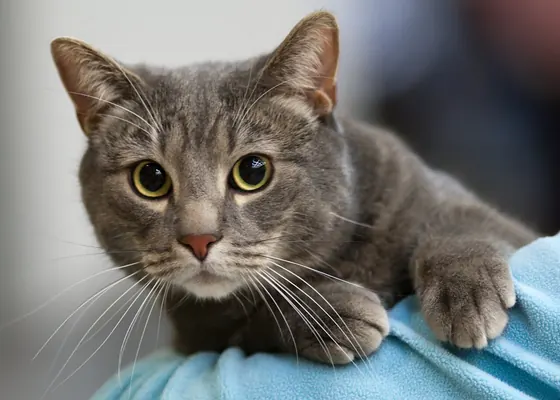
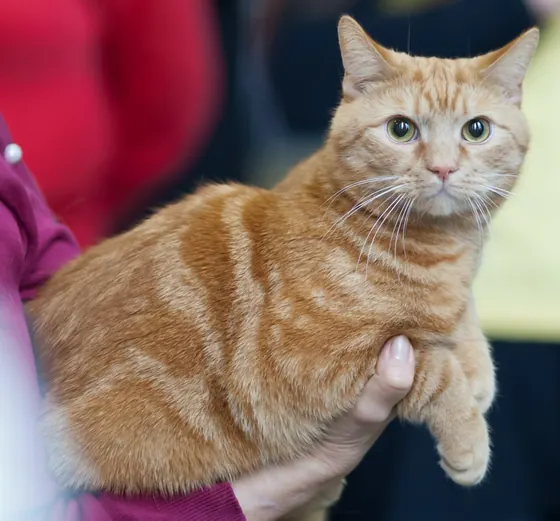
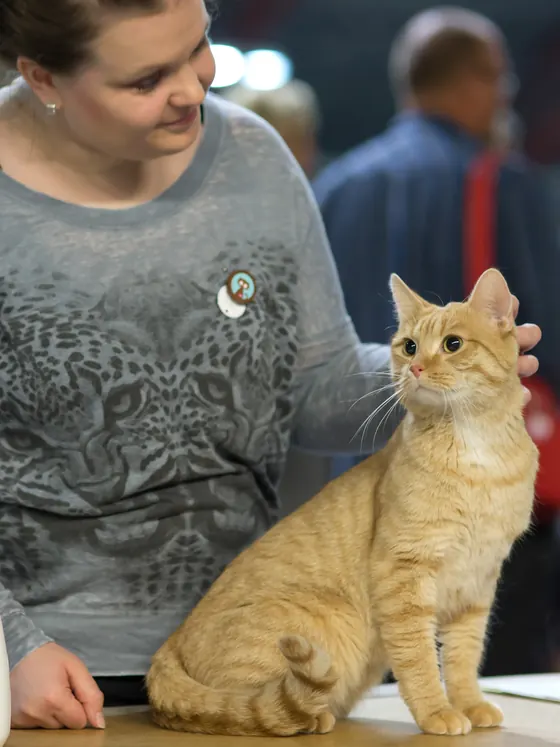
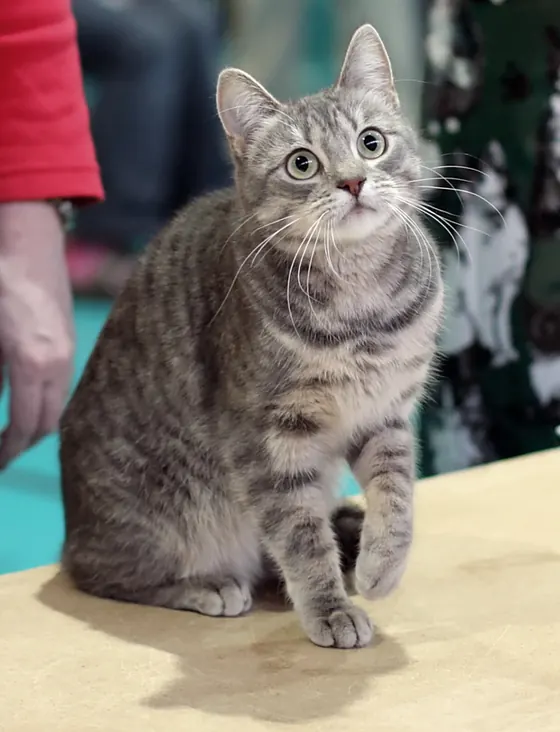
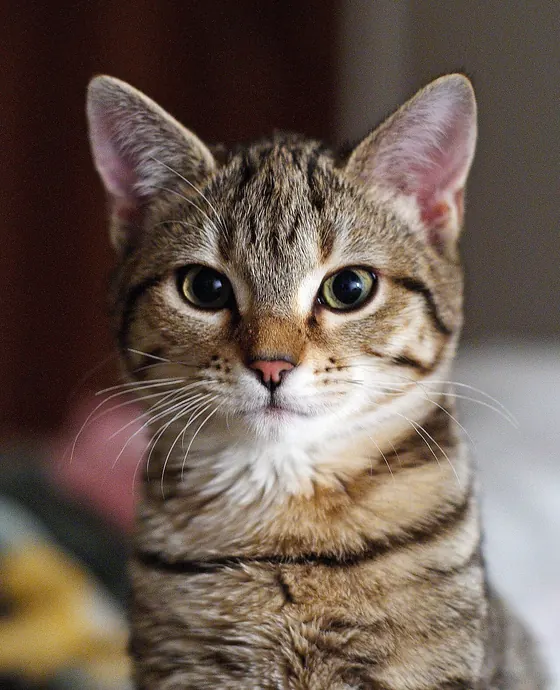
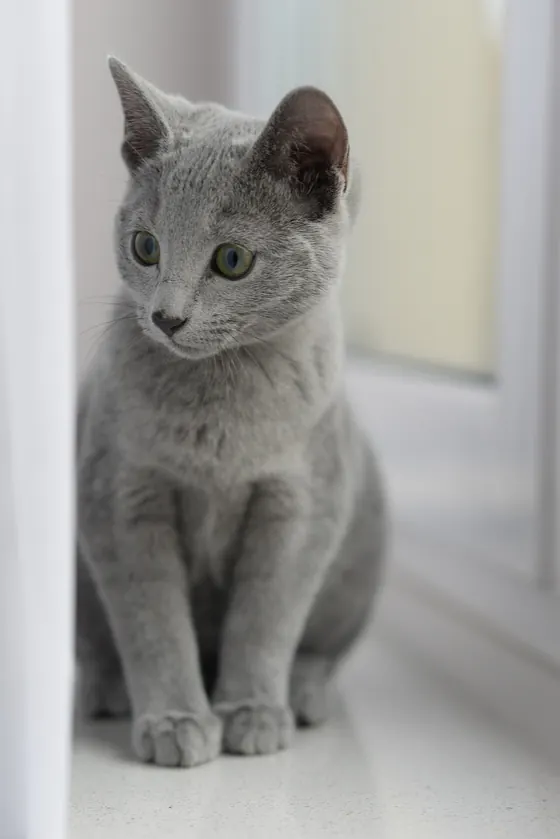
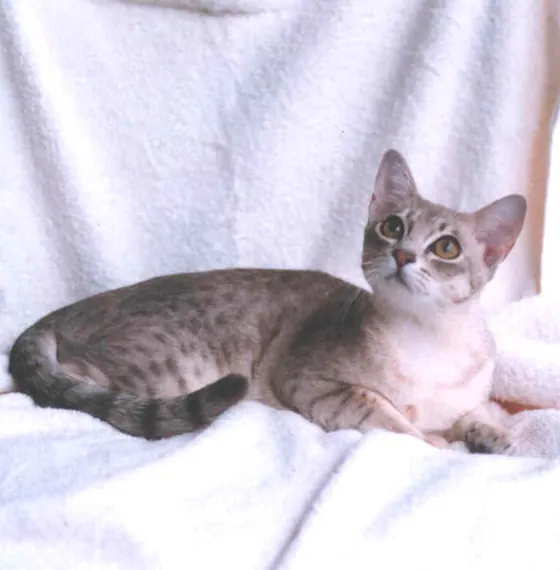
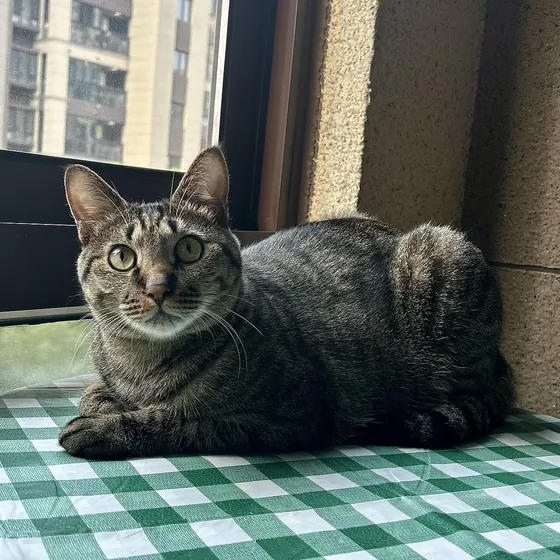
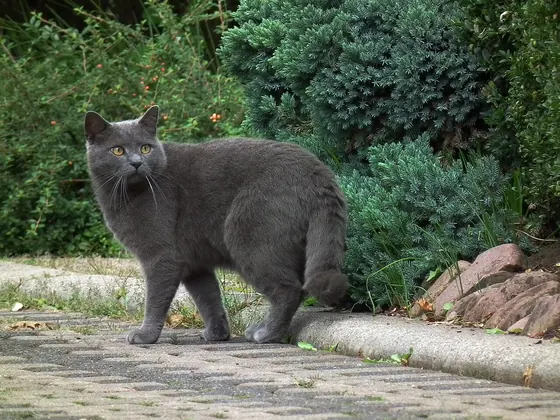
Photos: Manateknik (CC BY-SA 4.0) · Heikki Siltala (CC BY-SA 3.0) · Heikki Siltala (CC BY 3.0) · Imm808 (CC BY 3.0), via Wikimedia Commons.
Breed profile
* An estimate for Spain in 2026 (food, litter, vet and insurance), based on the size, grooming and health needs of the breed, not on measured costs of individual cats.
What it is like
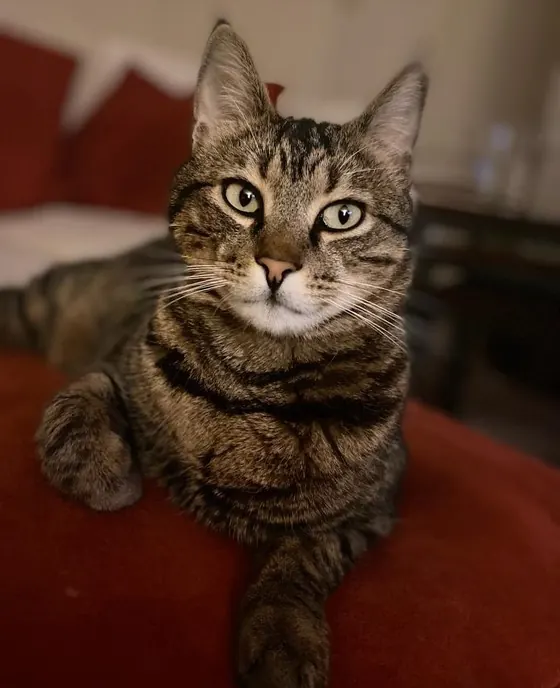
This is the cat that has lived on farms, in villages and in cities across Europe for centuries, and the one almost everyone pictures when they think of a cat. As a pedigree breed it is recent: FIFe separated it from the British in 1982 to preserve the natural type, more athletic and less cobby. It is worth telling apart the breeder's European Shorthair, with a pedigree and a standard, from the ordinary moggy adopted from shelters and colonies, which shares its origin and looks but not its papers. Both are robust, adaptable cats and good hunters, with a balanced temperament: affectionate in their own way, independent and easy to live with.
Coat colours and patterns
Colours and patterns that are common or accepted in this breed. Each page explains where the colour comes from, the myths around it and other breeds that have it.
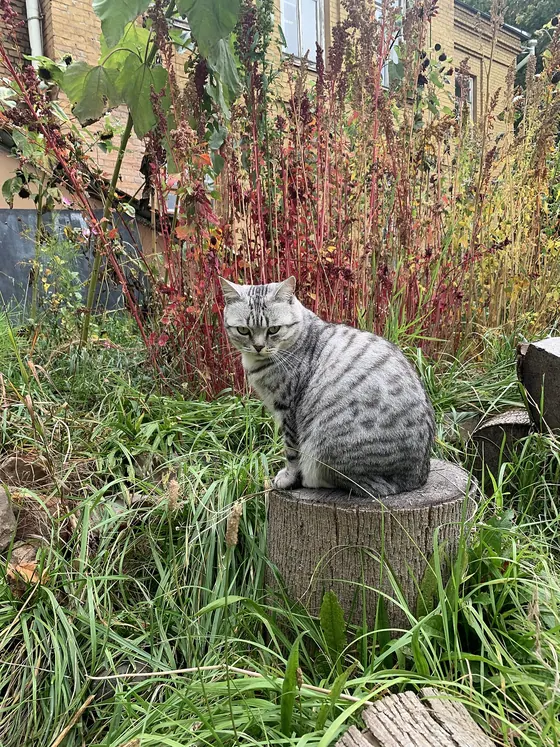
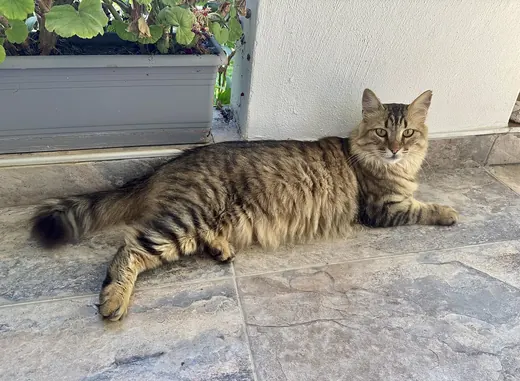 Tabby
Pattern · Tabby, Striped cat
Tabby
Pattern · Tabby, Striped cat
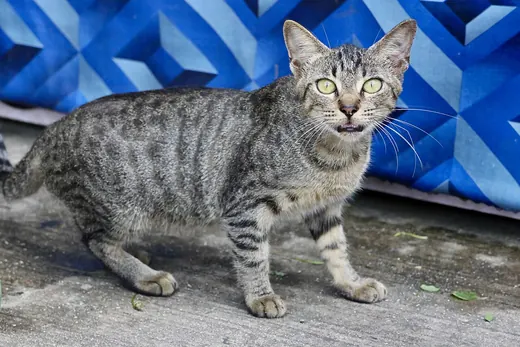 Mackerel tabby
Pattern · Mackerel tabby, Striped tabby
Mackerel tabby
Pattern · Mackerel tabby, Striped tabby
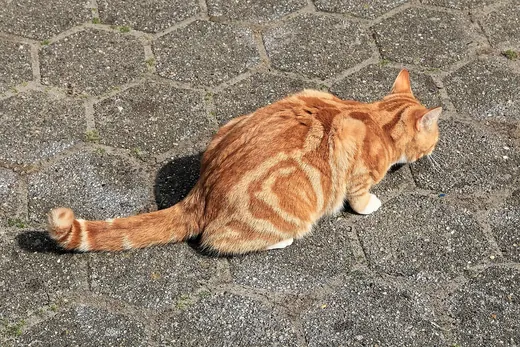 Classic tabby
Pattern · Classic tabby, Blotched tabby
Classic tabby
Pattern · Classic tabby, Blotched tabby
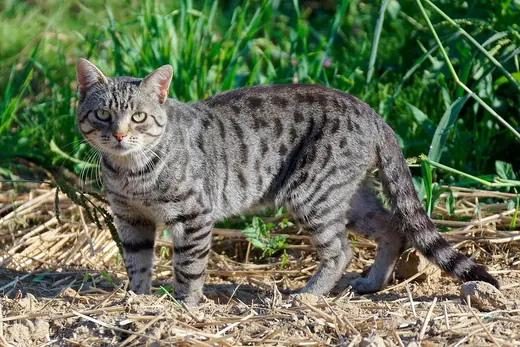 Spotted tabby
Pattern · Spotted tabby, Spotted cat
Spotted tabby
Pattern · Spotted tabby, Spotted cat
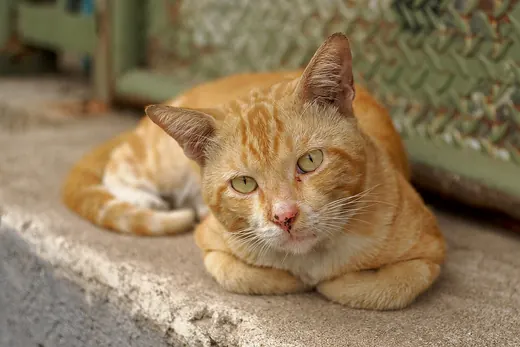 Ginger
Colour · Orange cat, Red cat
Ginger
Colour · Orange cat, Red cat
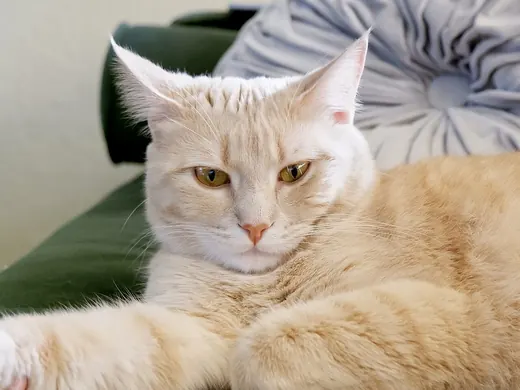 Cream
Colour · Cream cat, Beige cat
Cream
Colour · Cream cat, Beige cat
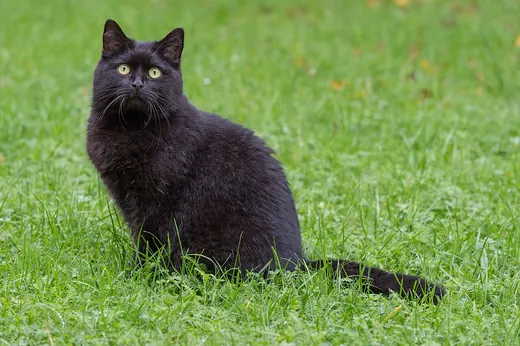 Black
Colour · Solid black cat, Black
Black
Colour · Solid black cat, Black
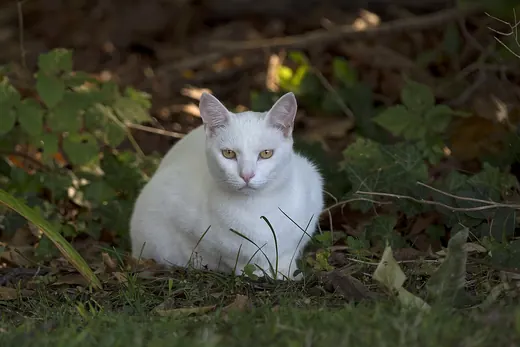 White
Colour · Solid white cat, White
White
Colour · Solid white cat, White
And also:
All cat coat colours and patterns →
Temperament
Care
Weekly brushing, a bit more in spring and autumn, when it moults. It is happy with scratching posts, high places, daily hunting play and a clean litter tray. It adapts well to flat life, always with secure windows and balconies. If it goes outdoors: vaccinations up to date, parasite control and a microchip. In Spain, Law 7/2023 requires cats to be neutered before six months of age, except those registered for breeding. After that, keep an eye on its weight.
Health
It is one of the healthiest breeds, thanks to a very broad genetic base. Its problems are those of cats in general: chronic kidney disease in old age, obesity, tartar, cystitis and urinary blockage in males. If it goes outside, the risk of feline leukaemia (FeLV), immunodeficiency virus (FIV), road accidents and fights rises sharply. Annual check-up and blood tests from the age of seven.
Health problems to watch for
These are described more often in this breed. It does not mean a European Shorthair will have them, nor that a moggy is free of them: they are worth knowing about and discussing with your vet.
Fun facts
The tabby, with the M marked on its forehead, is the most common pattern and the original one of the wildcat.
In Spain the brown or grey tabby is often called a “gato romano” (Roman cat).
Its ancestor is the African wildcat (Felis lybica), which still lives in North Africa and the Middle East.
In Cyprus a burial about 9,500 years old was found with a cat beside a person, one of the oldest pieces of evidence of living together.
Frequently asked questions
How big does a European Shorthair get?
An adult European Shorthair usually weighs 3.5–6.5 kg (8–14 lb) and stands about 25–30 cm (10–12 in) at the shoulder, which makes it a medium cat.
How long does a European Shorthair live?
Its usual life expectancy is 13–17 years. Living indoors, being neutered and having regular vet check-ups make the biggest difference.
Is the European Shorthair hypoallergenic?
No. It produces the usual cat allergens. If someone at home is allergic, spend time with the breed before deciding and talk to an allergist.
Is the European Shorthair good with children?
Usually yes: it tends to be patient and sociable with children. As with any cat, teach children to let it walk away when it has had enough.
How much play does a European Shorthair need?
As a guide, 20 min of play a day. Its activity score is 3 out of 5: short daily play sessions with a wand toy work better than one long one.
Similar breeds
All breeds A to Z Cost calculator (Spanish) Food portions (Spanish)