
Classic tabby cat
Also called: Classic tabby, Blotched tabby, Marbled tabby, Swirled tabby.
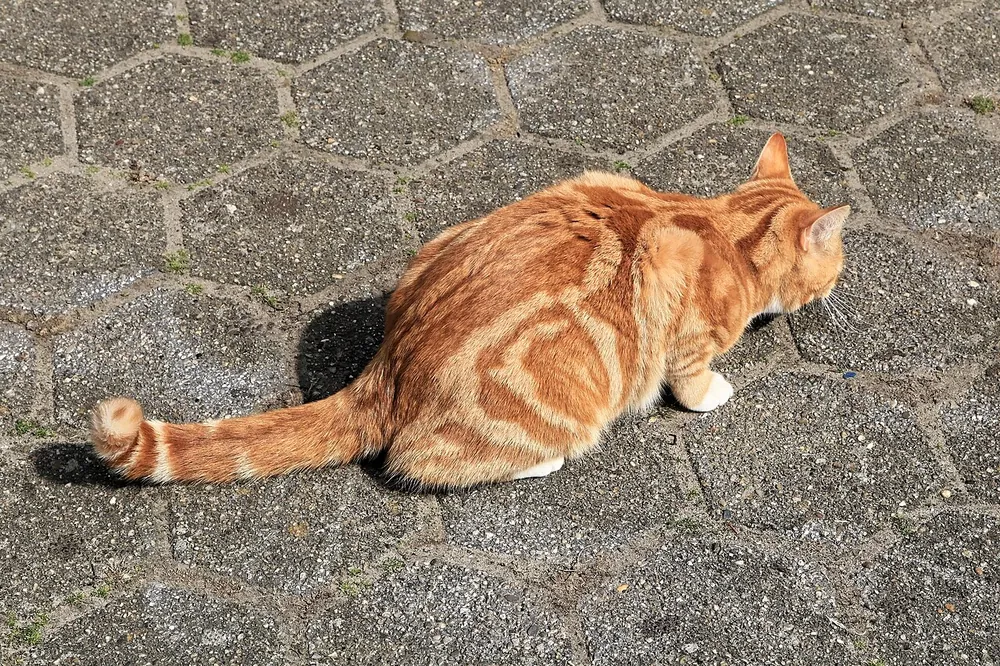
Broad swirls instead of fine stripes: a butterfly over the shoulders, three lines along the back and a dark circle on each side, like a bullseye. It is the tabby of cat food adverts and of the silver American Shorthair.
What it looks like
Broad, curving blotches forming spirals on the sides (the “bullseye” or “oyster”), a butterfly pattern over the shoulders and three parallel stripes along the back. It keeps the “M”, the necklaces and the tail rings. The contrast is usually strong, and in brown, silver or orange it is very striking.
The genetics, made simple
It is the recessive version of the gene that decides the tabby pattern: the cat has to inherit it from both parents. So two classic cats only have classic kittens, while two mackerels can produce a classic one if both carry it hidden. An ancient DNA study published in 2017 (Ottoni and colleagues) did not find this variant until the Middle Ages, in south-west Asia, from where it spread across Europe: it is much more recent than the domestic cat.
Myths and what science says
“It is a pedigree cat”
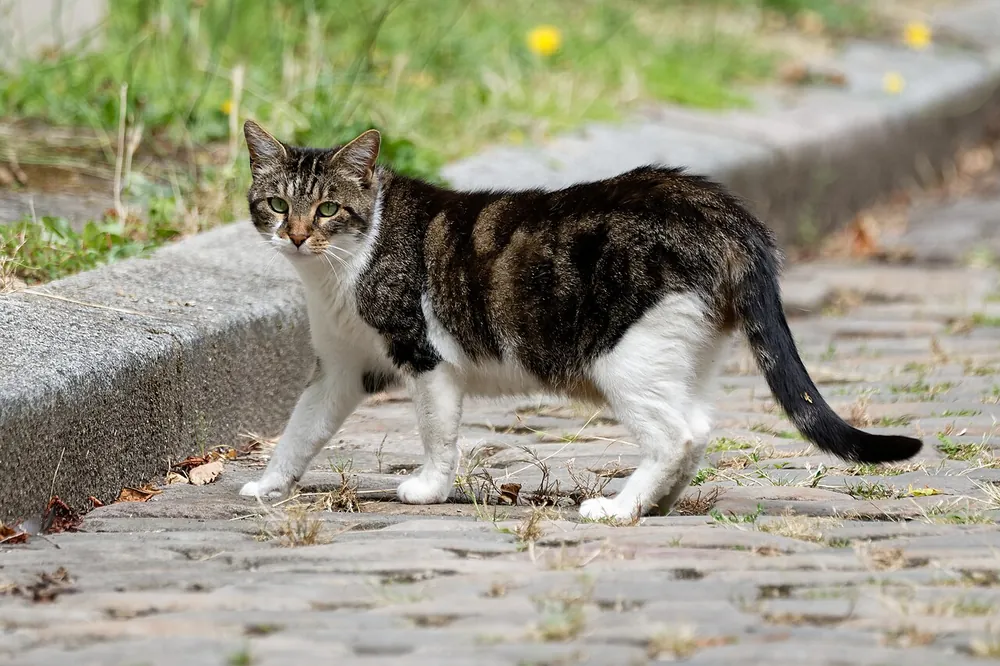
The classic tabby is very common in street cats, especially in northern Europe. Many breeds have it, but having it does not make a cat a pedigree.
Fun facts
- The “marbled” pattern of the Bengal and the Sokoke is considered a variant of the classic.
- That is why this pattern is sometimes called marbled or swirled tabby.
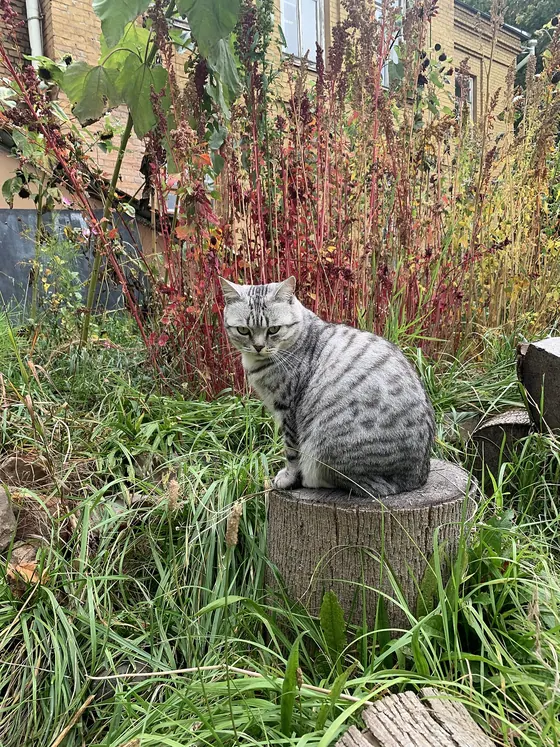
- The silver classic American Shorthair, with its black spiral on a silver background, is the textbook image of this pattern.
Does it affect its health?
It is not linked to any disease.
Breeds where it appears or is typical
This coat turns up in plenty of moggies. These are breeds where it is common, characteristic or accepted; under each one, the colours the breed comes in.
 American Shorthair
Shorthair · United States
Dozens of colours; the most famous is the classic silver tabby
American Shorthair
Shorthair · United States
Dozens of colours; the most famous is the classic silver tabby
 British Shorthair
Shorthair · United Kingdom
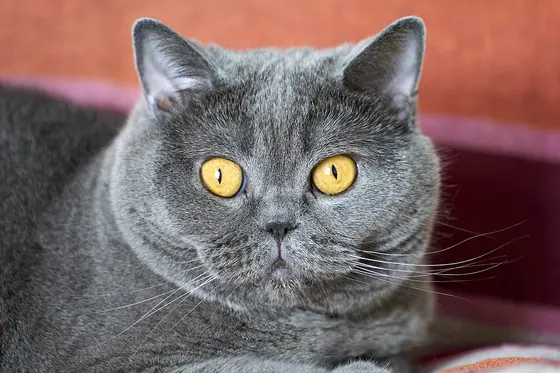
Blue (the classic), black, white, cream, lilac, chocolate, silver, golden, bicolours, colourpoint…
British Shorthair
Shorthair · United Kingdom
Blue (the classic), black, white, cream, lilac, chocolate, silver, golden, bicolours, colourpoint…
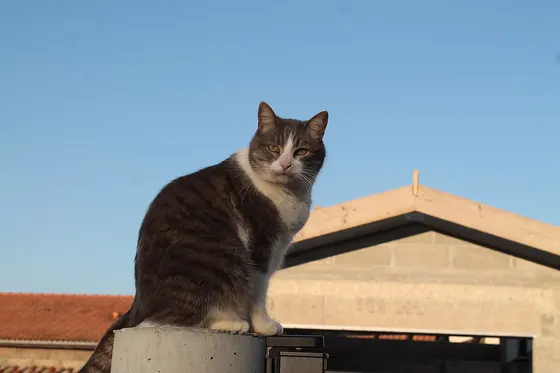 European Shorthair
Shorthair · Europe
Almost all: tabby, black, white, bicolour, tortoiseshell, red…; no colourpoint, chocolate or lilac in pedigree cats
European Shorthair
Shorthair · Europe
Almost all: tabby, black, white, bicolour, tortoiseshell, red…; no colourpoint, chocolate or lilac in pedigree cats
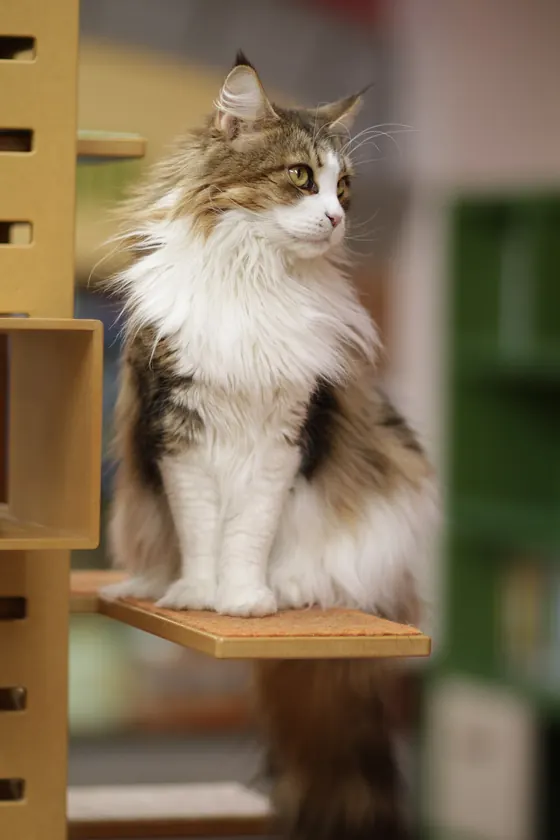 Maine Coon
Forest · United States
Almost all; the classic is brown tabby. No colourpoint in most registries
Maine Coon
Forest · United States
Almost all; the classic is brown tabby. No colourpoint in most registries
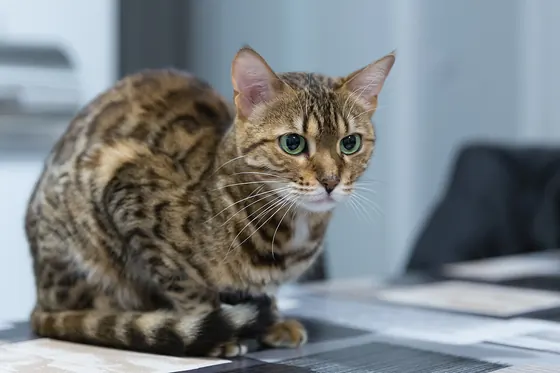 Bengal
Wild-looking · United States
Brown, snow (seal lynx, mink, sepia), silver, charcoal and blue; spotted with rosettes or marbled
Bengal
Wild-looking · United States
Brown, snow (seal lynx, mink, sepia), silver, charcoal and blue; spotted with rosettes or marbled
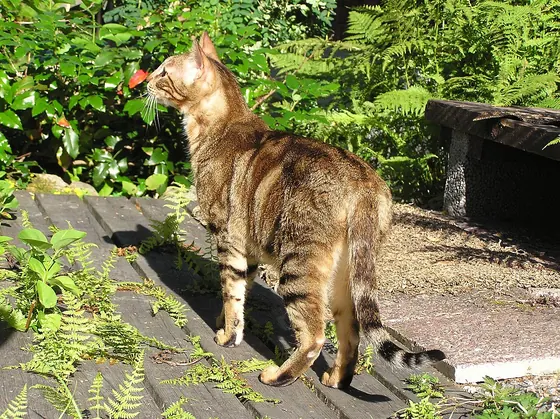 Sokoke
Wild-looking · Kenya
Brown marbled tabby with a ticked effect (agouti classic tabby)
Sokoke
Wild-looking · Kenya
Brown marbled tabby with a ticked effect (agouti classic tabby)
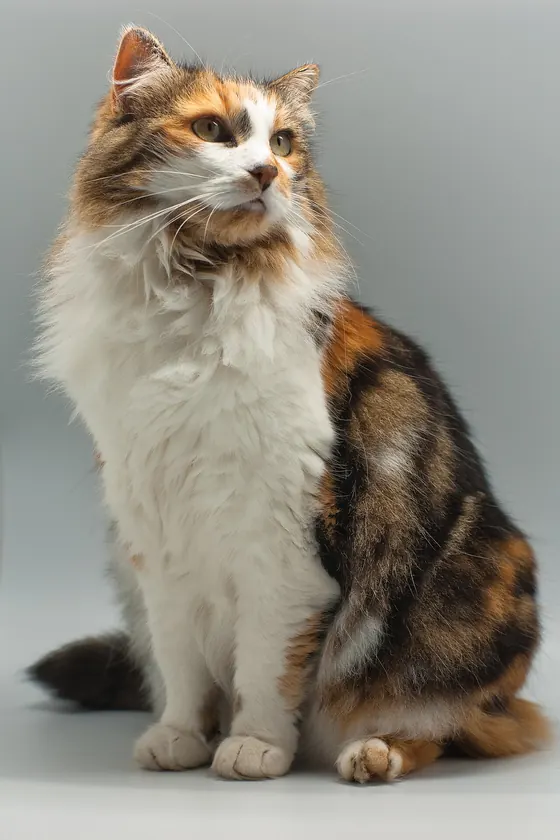 Norwegian Forest Cat
Forest · Norway
Almost all except colourpoint, chocolate, lilac, cinnamon and fawn; lots of white and tabby
Norwegian Forest Cat
Forest · Norway
Almost all except colourpoint, chocolate, lilac, cinnamon and fawn; lots of white and tabby
Frequently asked questions
What is a classic tabby cat?
A tabby with broad swirls instead of stripes: a butterfly on the shoulders, three lines along the back and a dark circle on each side. Also called a blotched tabby.
Is a classic tabby the same as a marbled tabby?
Almost. In everyday speech the terms are used interchangeably. In breeds such as the Bengal, “marbled” is a stretched, horizontal version of the classic.
Can two striped cats have a classic tabby kitten?
Yes, if both carry the recessive version of the gene hidden. Not the other way round: two classics only produce classics (as far as this gene goes).
Educational content from Michipedia. The genetics of coat colour are simplified so they are easy to follow; colour tells you nothing about the personality of a particular cat.