
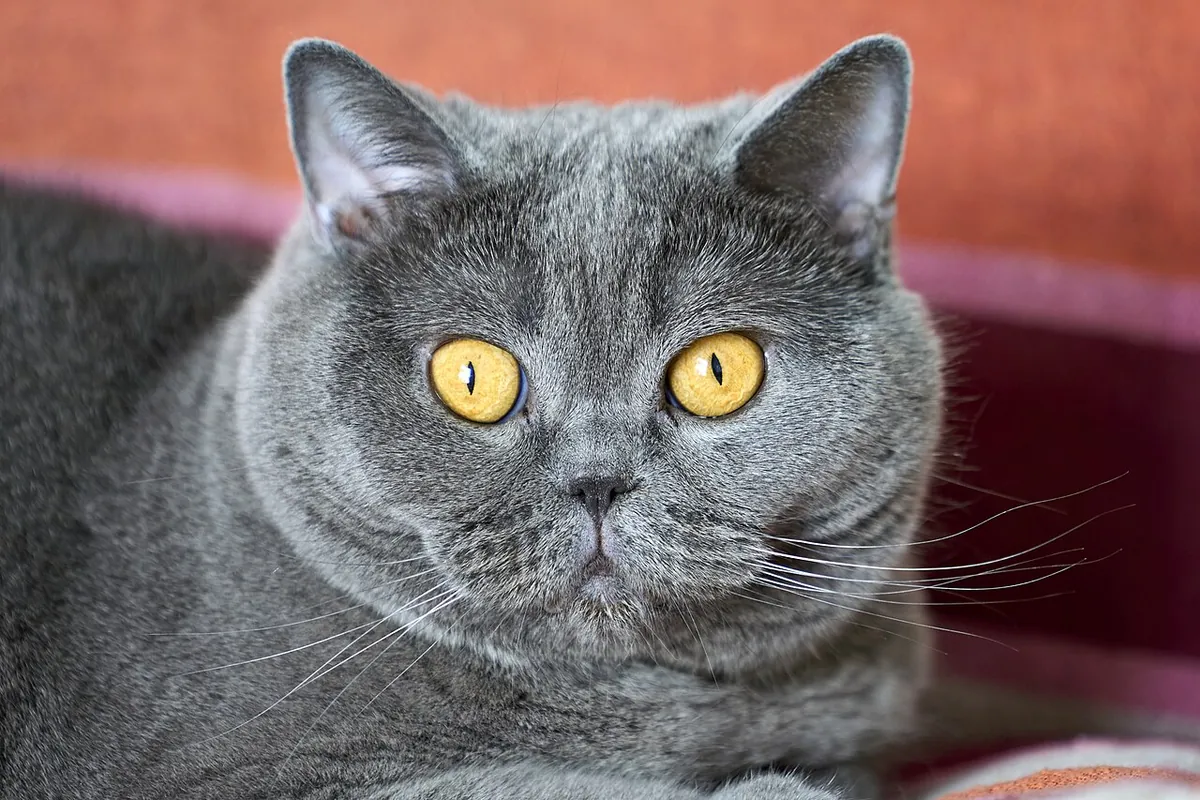
British Shorthair
Also known as: British · British cat · British Blue · Blue British Shorthair · BSH
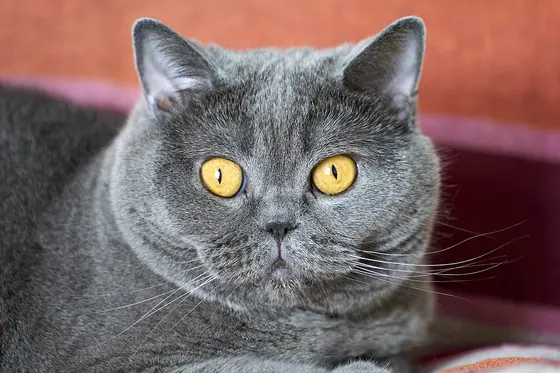
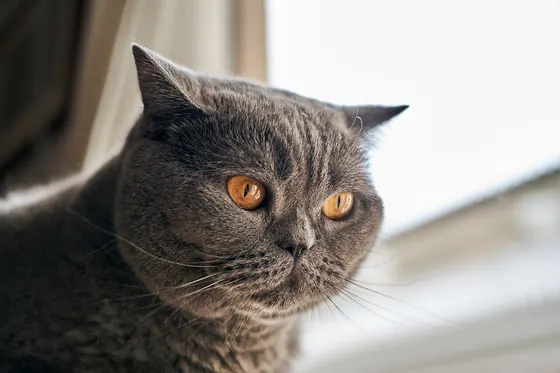
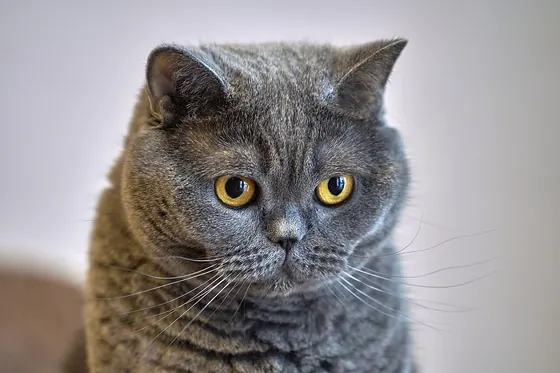
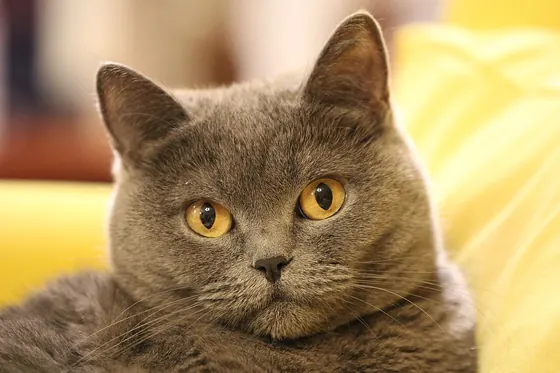
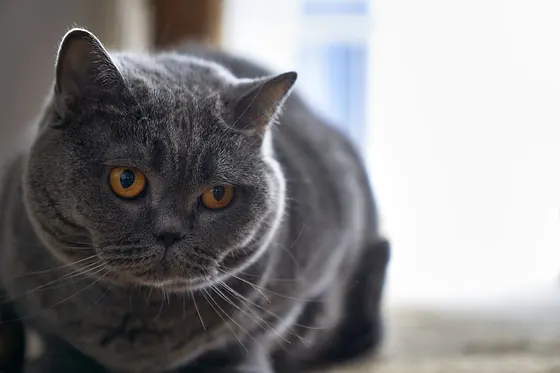
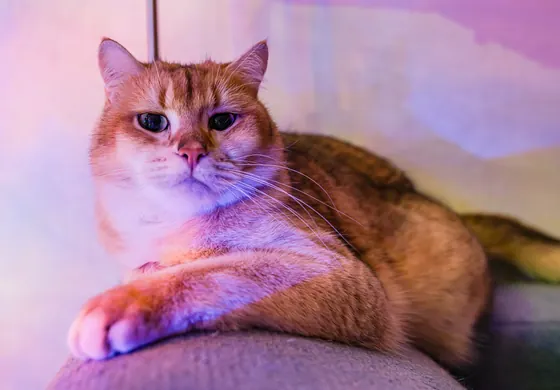
Photos: George E. Koronaios (CC BY-SA 4.0) · W2k2 (CC BY 4.0) · PantheraLeo1359531 (CC BY 4.0), via Wikimedia Commons.
Breed profile
* An estimate for Spain in 2026 (food, litter, vet and insurance), based on the size, grooming and health needs of the breed, not on measured costs of individual cats.
Varieties
The same cat in two coat lengths
What it is like
It descends from the cats that came to Britain with the Romans and stayed on farms and in streets for centuries. Harrison Weir, the father of cat shows, put it in the spotlight at the first big show at the Crystal Palace in 1871. After the world wars the breed nearly vanished and was rebuilt with crosses to Persians and other cats, which gave it its round face, full cheeks and a coat so dense it feels like plush. It is a calm, steady, undemanding cat: it likes to be near you but not on you, and many cannot stand being picked up. Ideal for homes with an orderly routine.
Coat colours and patterns
Colours and patterns that are common or accepted in this breed. Each page explains where the colour comes from, the myths around it and other breeds that have it.
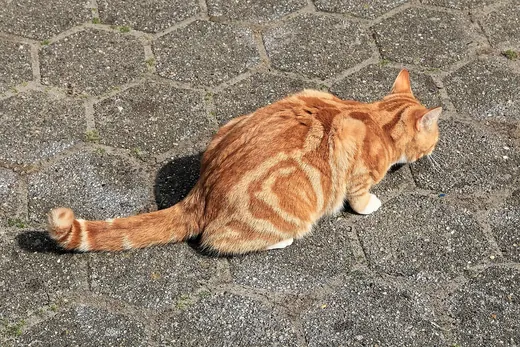 Classic tabby
Pattern · Classic tabby, Blotched tabby
Classic tabby
Pattern · Classic tabby, Blotched tabby
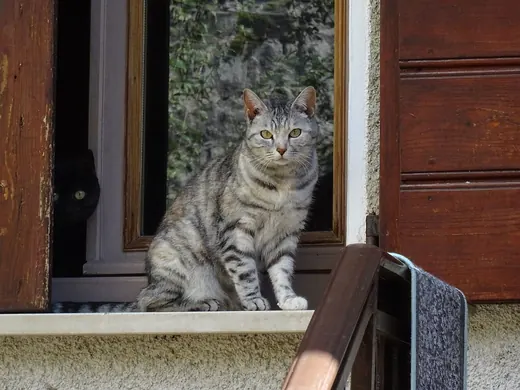 Silver tabby
Colour and pattern · Silver tabby, Silver cat
Silver tabby
Colour and pattern · Silver tabby, Silver cat
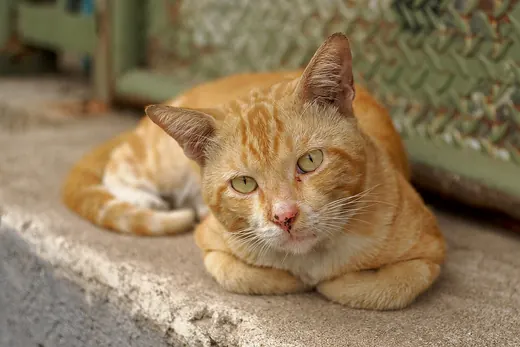 Ginger
Colour · Orange cat, Red cat
Ginger
Colour · Orange cat, Red cat
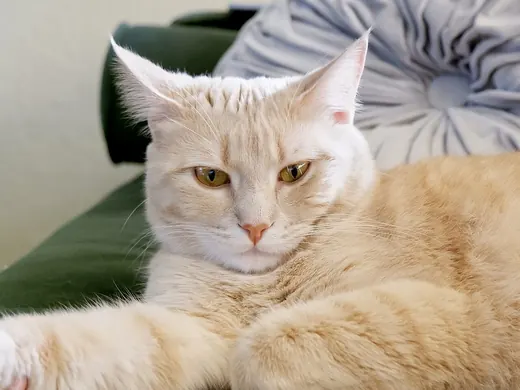 Cream
Colour · Cream cat, Beige cat
Cream
Colour · Cream cat, Beige cat
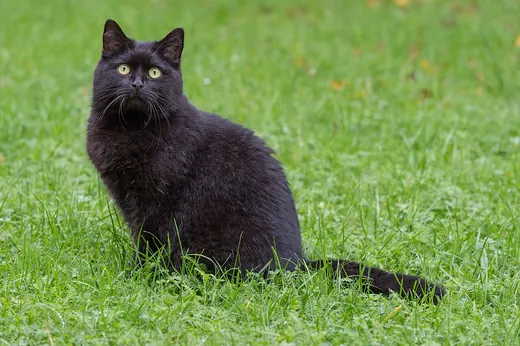 Black
Colour · Solid black cat, Black
Black
Colour · Solid black cat, Black
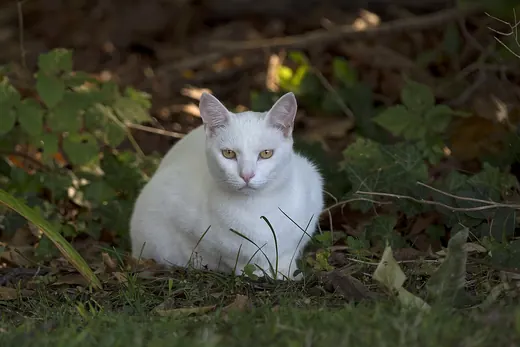 White
Colour · Solid white cat, White
White
Colour · Solid white cat, White
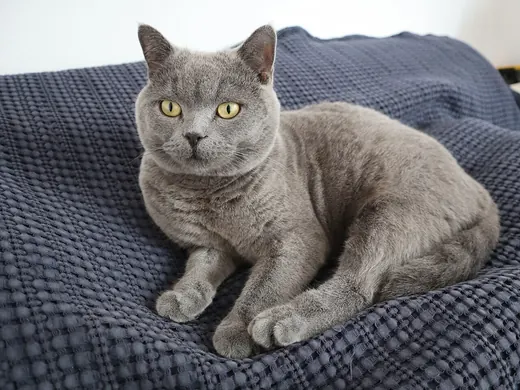 Grey or blue
Colour · Blue cat, Grey cat
Grey or blue
Colour · Blue cat, Grey cat
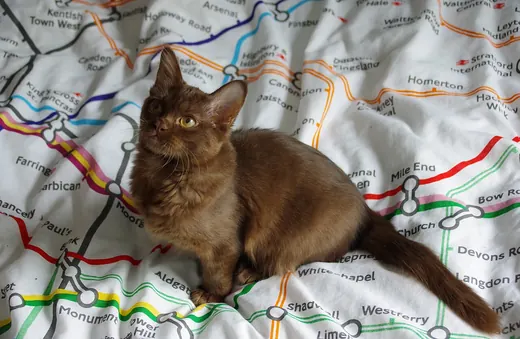 Chocolate
Colour · Brown cat, Havana
Chocolate
Colour · Brown cat, Havana
And also:
All cat coat colours and patterns →
Temperament
Care
Its dense coat moults heavily in spring and autumn: brush weekly with a soft slicker, and almost daily during the moult. It is not very active and gains weight easily, especially once neutered: weigh its portions, avoid free feeding and play with it every day, even if only for short sessions. It prefers the floor to heights, so a stable, sturdy scratching post is enough. Respect its space and do not force it to be held.
Health
Predisposed to hypertrophic cardiomyopathy (HCM), so breeding cats should have echocardiograms, and to polycystic kidney disease (PKD) inherited from the Persian crosses, with a DNA test. Obesity and gingivitis are also common, and blood type B is more frequent than in other breeds, something to bear in mind for transfusions and matings.
Health problems to watch for
These are described more often in this breed. It does not mean a British Shorthair will have them, nor that a moggy is free of them: they are worth knowing about and discussing with your vet.
Fun facts
It is often said that the Cheshire Cat in “Alice's Adventures in Wonderland” was inspired by a British Shorthair, although Lewis Carroll never said so.
Blue is so typical that for years it was simply called the British Blue.
It can take up to three years to reach its adult size and face.
Its coat is so dense that when you stroke it the wrong way, it parts rather than flattening.
Frequently asked questions
How big does a British Shorthair get?
An adult British Shorthair usually weighs 4–8 kg (9–18 lb) and stands about 28–33 cm (11–13 in) at the shoulder, which makes it a large cat.
How long does a British Shorthair live?
Its usual life expectancy is 12–15 years. Living indoors, being neutered and having regular vet check-ups make the biggest difference.
Is the British Shorthair hypoallergenic?
No. It produces the usual cat allergens. If someone at home is allergic, spend time with the breed before deciding and talk to an allergist.
Is the British Shorthair good with children?
Usually yes: it tends to be patient and sociable with children. As with any cat, teach children to let it walk away when it has had enough.
How much play does a British Shorthair need?
As a guide, 15 min of play a day. Its activity score is 2 out of 5: short daily play sessions with a wand toy work better than one long one.
Similar breeds
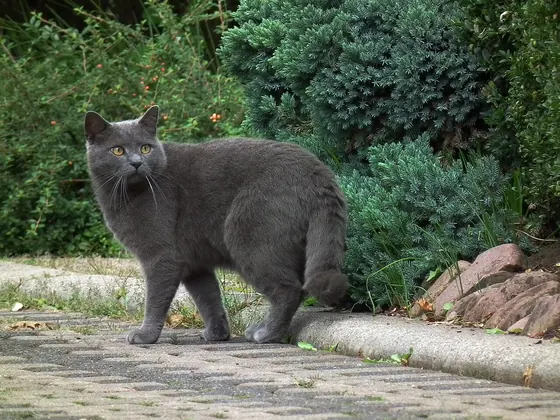
All breeds A to Z Cost calculator (Spanish) Food portions (Spanish)