
Tortoiseshell cat
Also called: Tortie, Tortoiseshell, Tortoiseshell female, Dilute tortoiseshell.
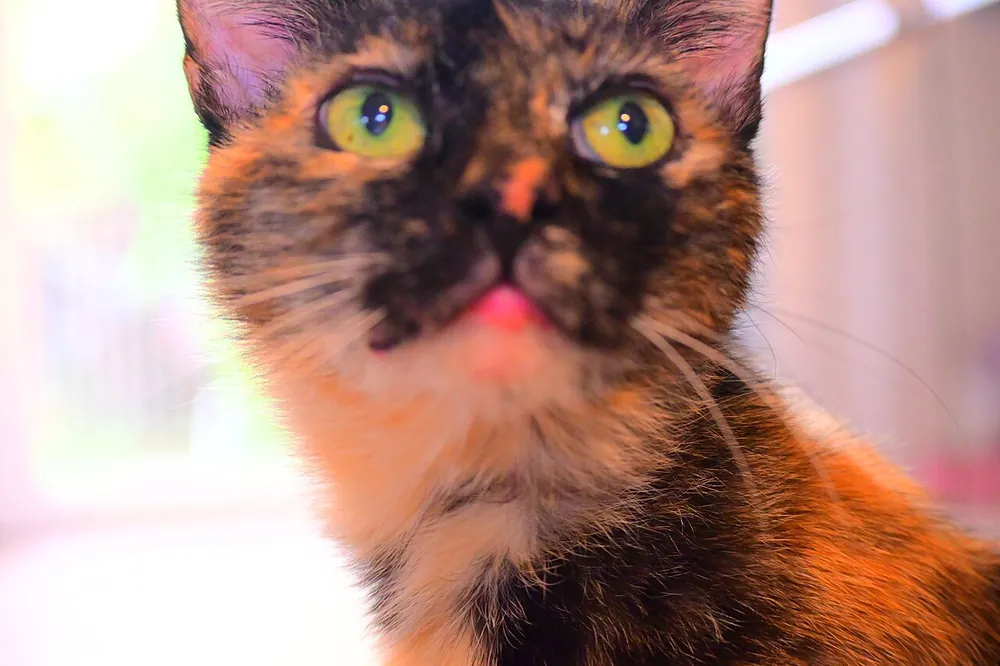
Black and orange jumbled together, like the shell of the hawksbill turtle. It is the textbook example of a genetic phenomenon: each patch of colour is a group of cells that has switched off one of its two X chromosomes. That is why almost all tortoiseshell cats are female.
What it looks like
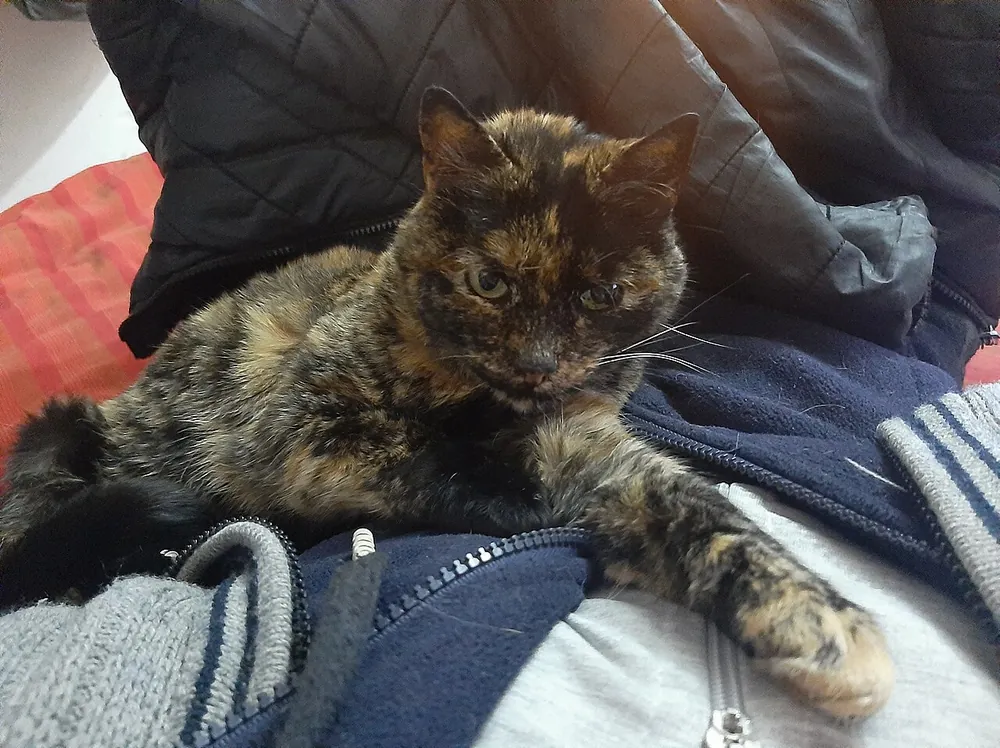
A mix of black and orange (or red) in small, jumbled patches, sometimes finely mottled and sometimes in large areas, with no white or very little. Many have an orange stripe down the face (a “blaze”). The dilute version is blue and cream, in pastel tones. If the black areas have stripes, she is a tabby tortoiseshell.
The genetics, made simple
The orange gene is on the X chromosome. A tortoiseshell female has one X with the orange version and another without it. Early in development, each cell of the embryo switches off one of its two Xs at random (this is X inactivation, or lyonisation), and all its descendants inherit that choice: some areas of skin make orange and others black. A normal male (XY) has only one X, so he cannot be tortoiseshell. Male torties do exist but are extremely rare: they usually have two Xs and a Y (XXY, like Klinefelter syndrome in people) or are chimeras, and they are almost always sterile.
Myths and what science says
“Tortitude”
“Tortitude” is the reputation tortoiseshells have for being more temperamental. A University of California, Davis study published in 2016 (Stelow and colleagues), based on owner surveys, found that owners described slightly more aggression towards people in tortoiseshell, calico and some bicolour females. It is a small effect, measured by what owners say rather than by direct observation, so it is best not to draw conclusions about any individual cat.
“A male tortoiseshell is worth a fortune”
They are extremely rare, but they have no special value for breeding (they are almost always sterile) and they often have the health problems linked to their chromosomal anomaly.
Fun facts
- The name comes from the hawksbill turtle, whose shell was used for combs and spectacle frames.
- A clone of a tortoiseshell would not come out with the same patches, because X inactivation is random. That is what happened with CC, the first cloned cat (2001): her donor was a calico and she came out tabby and white.
- Dilute tortoiseshells (blue and cream) are also called “pastel torties”.
Does it affect its health?
The colour does not cause any disease in females. Male torties, because of their chromosomal anomaly, are usually sterile and may have other health problems. As in ginger cats, benign black freckles (lentigo) on the lips and nose are common.
Breeds where it appears or is typical
This coat turns up in plenty of moggies. These are breeds where it is common, characteristic or accepted; under each one, the colours the breed comes in.
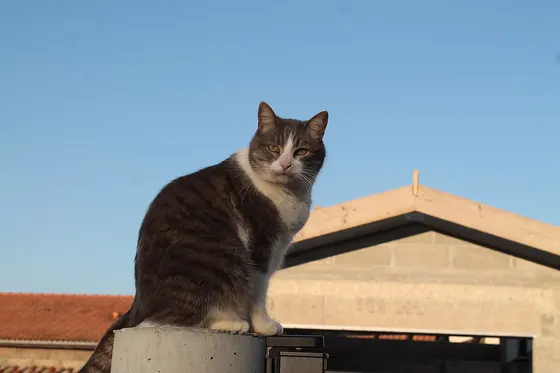 European Shorthair
Shorthair · Europe
Almost all: tabby, black, white, bicolour, tortoiseshell, red…; no colourpoint, chocolate or lilac in pedigree cats
European Shorthair
Shorthair · Europe
Almost all: tabby, black, white, bicolour, tortoiseshell, red…; no colourpoint, chocolate or lilac in pedigree cats
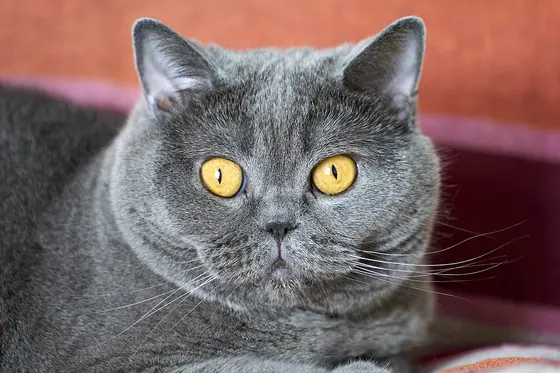 British Shorthair
Shorthair · United Kingdom
Blue (the classic), black, white, cream, lilac, chocolate, silver, golden, bicolours, colourpoint…
British Shorthair
Shorthair · United Kingdom
Blue (the classic), black, white, cream, lilac, chocolate, silver, golden, bicolours, colourpoint…
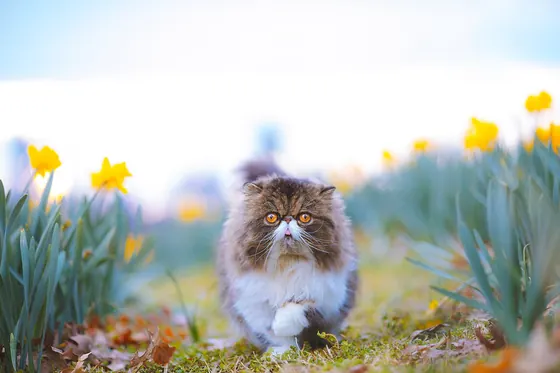 Persian
 · Iran / United Kingdom
Almost all: white, black, blue, cream, chinchilla, golden, bicolour, tortoiseshell…
Persian
Persian · Iran / United Kingdom
Almost all: white, black, blue, cream, chinchilla, golden, bicolour, tortoiseshell…
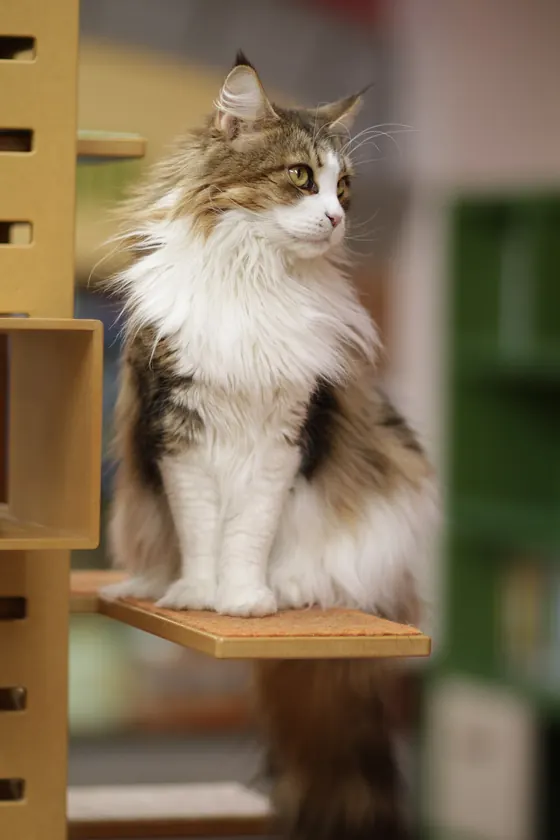 Maine Coon
Forest · United States
Almost all; the classic is brown tabby. No colourpoint in most registries
Maine Coon
Forest · United States
Almost all; the classic is brown tabby. No colourpoint in most registries
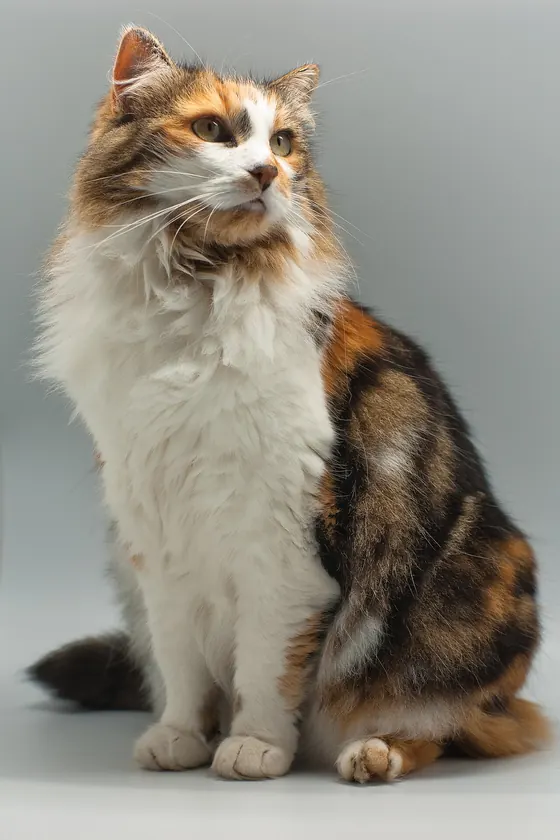 Norwegian Forest Cat
Forest · Norway
Almost all except colourpoint, chocolate, lilac, cinnamon and fawn; lots of white and tabby
Norwegian Forest Cat
Forest · Norway
Almost all except colourpoint, chocolate, lilac, cinnamon and fawn; lots of white and tabby
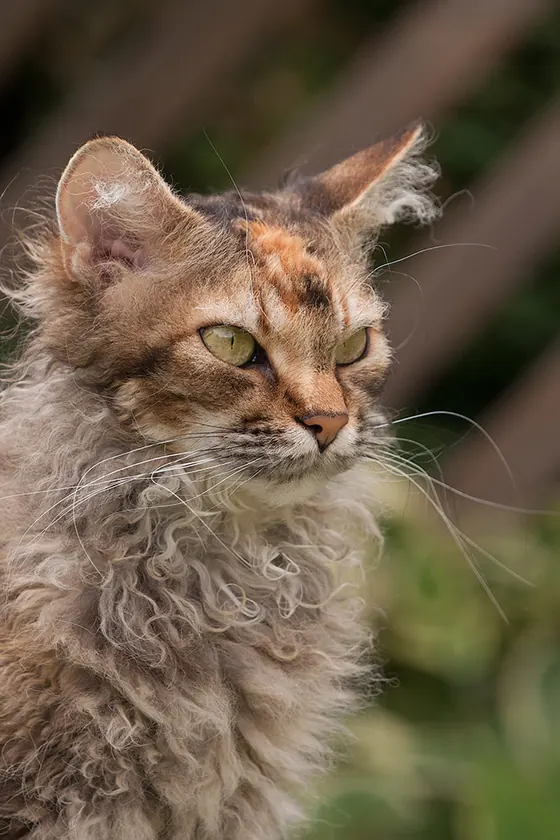 LaPerm
Rex & hairless · United States
All; tabbies, reds and tortoiseshells are very common
LaPerm
Rex & hairless · United States
All; tabbies, reds and tortoiseshells are very common
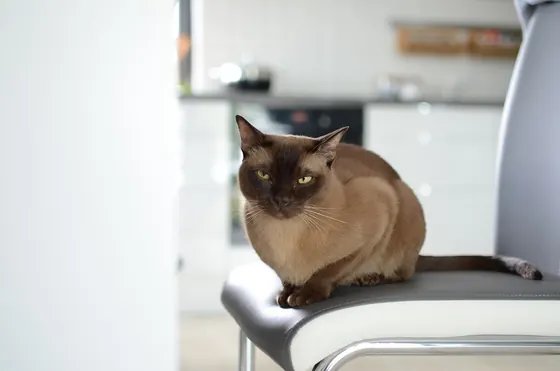 Burmese
Oriental · Myanmar (Burma) / United States
Sable (brown), chocolate, blue and lilac; in Europe also red, cream and tortie
Burmese
Oriental · Myanmar (Burma) / United States
Sable (brown), chocolate, blue and lilac; in Europe also red, cream and tortie
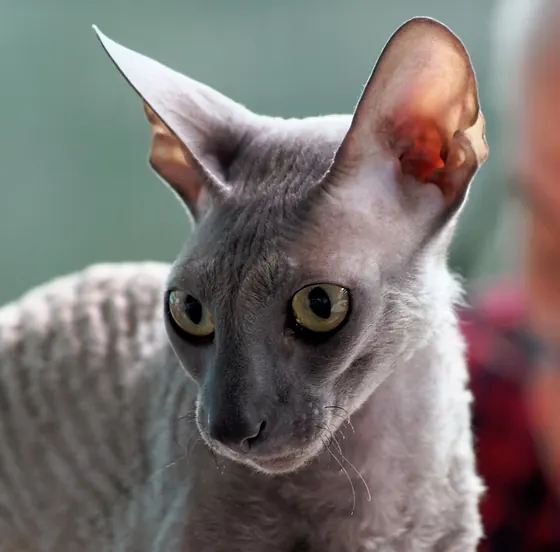 Cornish Rex
Rex & hairless · United Kingdom
All
Cornish Rex
Rex & hairless · United Kingdom
All
Frequently asked questions
Why are tortoiseshell cats almost always female?
Because it takes two X chromosomes, one with the orange gene and one without it. Normal males have only one X.
Do male tortoiseshell cats exist?
Yes, but they are extremely rare. They are usually XXY or chimeras, and almost always sterile.
Do tortoiseshell cats have a worse temperament?
They have that reputation (“tortitude”) and an owner survey found a small effect, but it cannot predict the temperament of any individual cat. Each one is herself.
What is the difference between tortoiseshell and calico?
A calico has large white areas as well as black and orange. A tortoiseshell has little or no white.
Educational content from Michipedia. The genetics of coat colour are simplified so they are easy to follow; colour tells you nothing about the personality of a particular cat.