
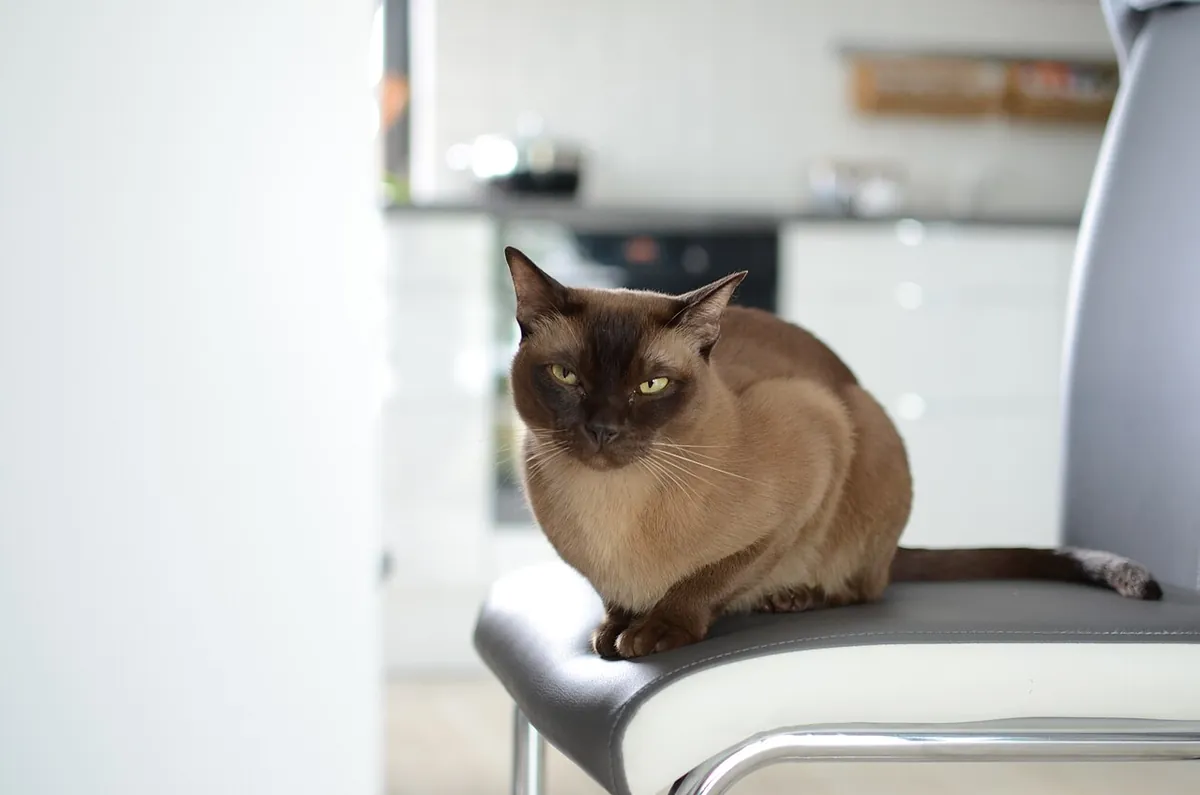
Burmese
Also known as: Burmese cat · American Burmese · European Burmese · Contemporary Burmese

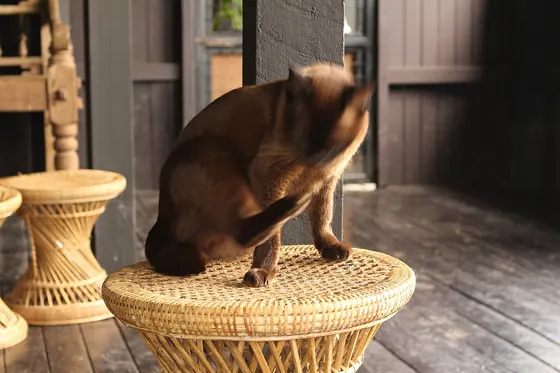
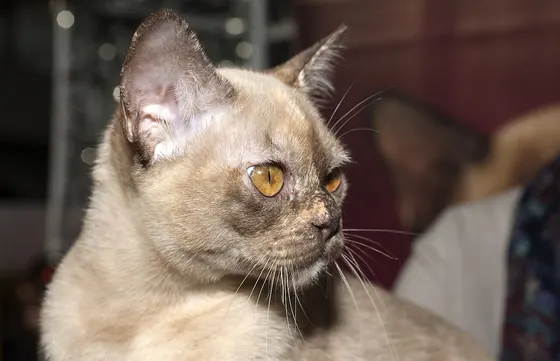
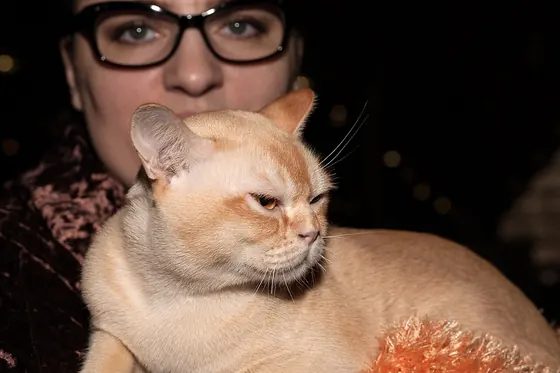
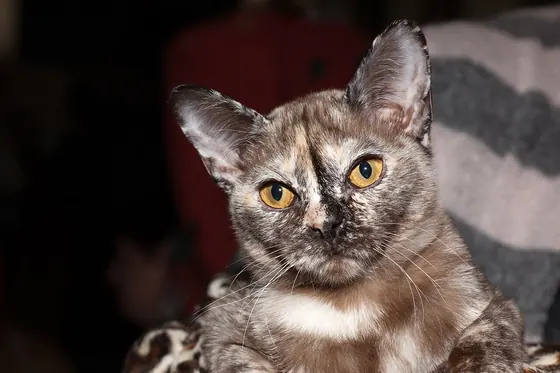
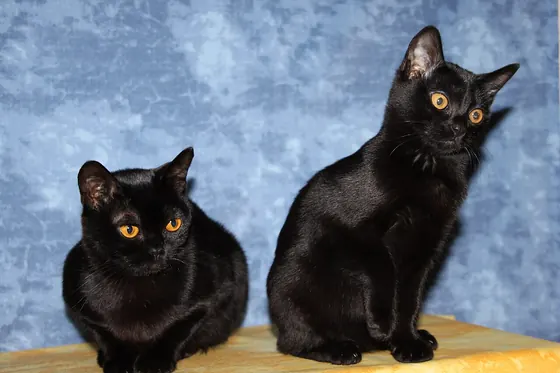
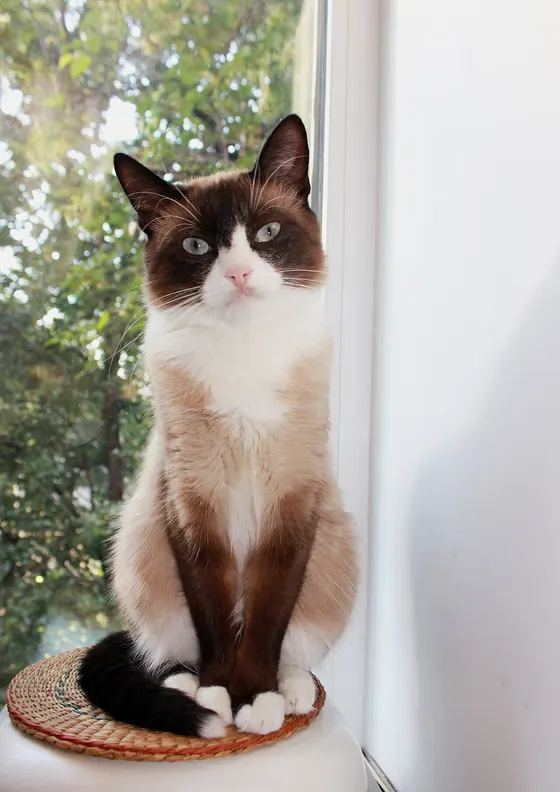
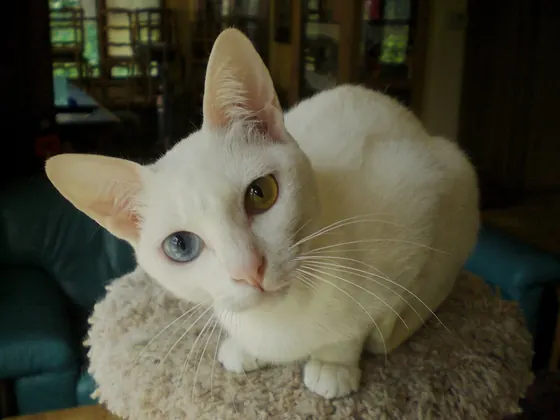
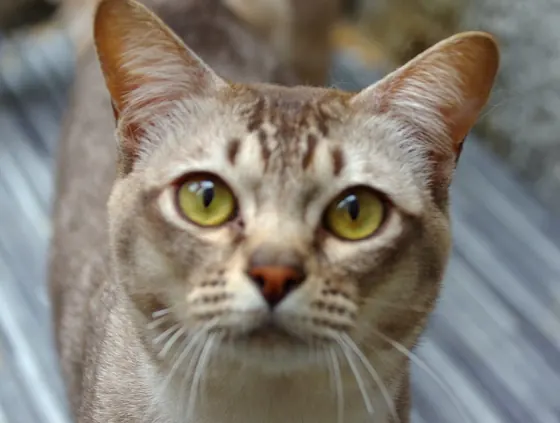
Photos: JanekJankowski (CC BY-SA 4.0) · ollie harridge from manchester, uk (CC BY 2.0) · Mydaydream89 (CC0) · Nickolas Titkov from Moscow, Russian Federation (CC BY-SA 2.0), via Wikimedia Commons.
Breed profile
* An estimate for Spain in 2026 (food, litter, vet and insurance), based on the size, grooming and health needs of the breed, not on measured costs of individual cats.
What it is like
The whole breed goes back to Wong Mau, a brown female that the doctor Joseph Thompson brought from Burma to San Francisco in 1930. She was crossed with Siamese, and from that came the Burmese, recognised by the CFA in 1936. Over the years it split into two types: the American, with a round head and short muzzle, and the European, more slender with a slightly longer face. It weighs more than it looks, hence its nickname, “a brick wrapped in silk”. It is one of the most sociable cats there is: it seeks people out, greets visitors, gets on well with dogs and children and plays all its life. Its weak spot is loneliness.
Coat colours and patterns
Colours and patterns that are common or accepted in this breed. Each page explains where the colour comes from, the myths around it and other breeds that have it.
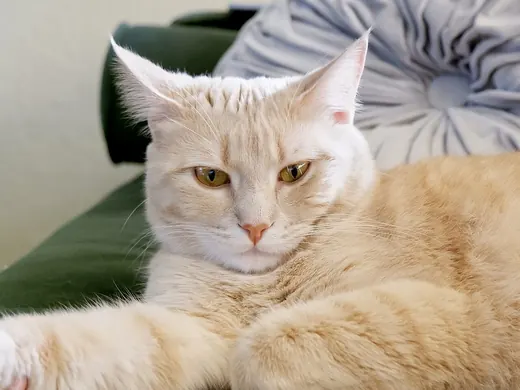 Cream
Colour · Cream cat, Beige cat
Cream
Colour · Cream cat, Beige cat
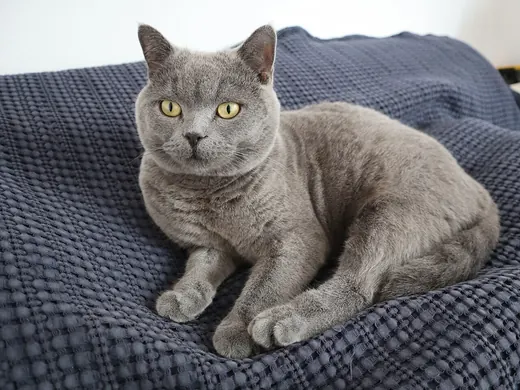 Grey or blue
Colour · Blue cat, Grey cat
Grey or blue
Colour · Blue cat, Grey cat
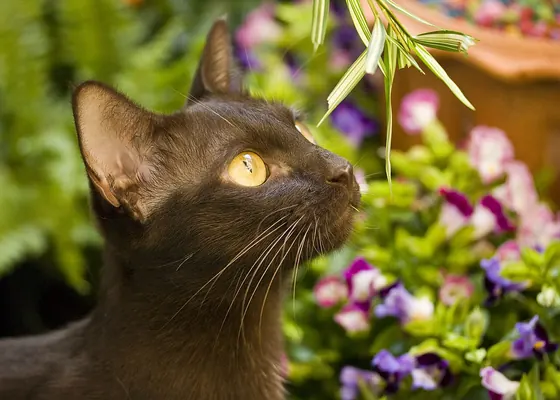
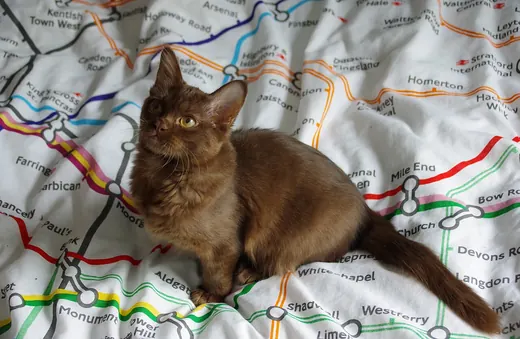 Chocolate
Colour · Brown cat, Havana
Chocolate
Colour · Brown cat, Havana
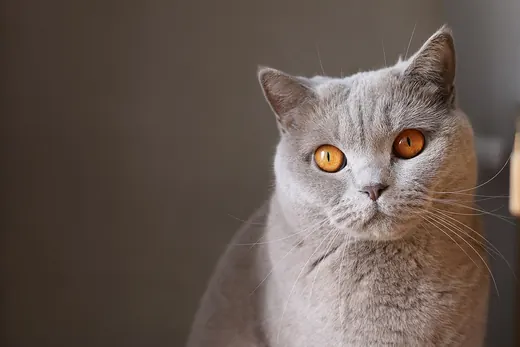 Lilac
Colour · Lavender, Lilac
Lilac
Colour · Lavender, Lilac
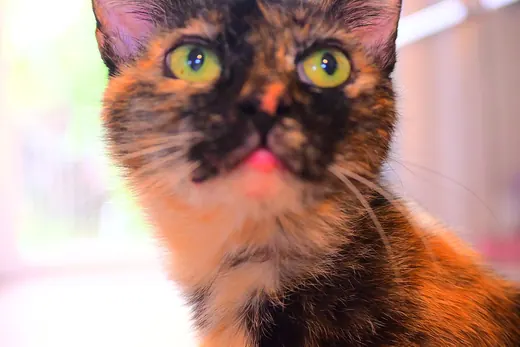 Tortoiseshell
Colour · Tortie, Tortoiseshell
Tortoiseshell
Colour · Tortie, Tortoiseshell
All cat coat colours and patterns →
Temperament
Care
The coat stays in shape with a weekly once-over with a mitt or chamois and shines on its own. What it needs is company and play: it loves fetching toys, agility-style courses and being held. It suffers if left alone for long hours; another sociable cat helps. It is greedy and muscular, so weigh its portions and avoid free feeding, because obesity adds to its diabetes risk. It is best kept indoors or given safe outdoor access, as it trusts strangers far too readily.
Health
Burmese hypokalaemia (episodic muscle weakness, WNK4 gene, DNA test available), a higher risk of type 2 diabetes, especially in European and Australian lines, and feline orofacial pain syndrome (FOPS). Some American lines carry the Burmese head defect, lethal in kittens that inherit two copies, with a DNA test. Insist on the parents' test results.
Health problems to watch for
These are described more often in this breed. It does not mean a Burmese will have them, nor that a moggy is free of them: they are worth knowing about and discussing with your vet.
Fun facts
Genetic studies suggest Wong Mau was actually a Burmese-Siamese cross, in other words what would today be called a Tonkinese.
The CFA withdrew recognition in 1947 because of too many crosses with Siamese and did not restore it until the 1950s.
Several registries treat the American and European Burmese as separate breeds.
Its original colour, sable, is black diluted by the Burmese gene, which also makes the points only slightly darker than the body.
Frequently asked questions
How big does a Burmese get?
An adult Burmese usually weighs 3.5–6 kg (8–13 lb) and stands about 23–28 cm (9–11 in) at the shoulder, which makes it a medium cat.
How long does a Burmese live?
Its usual life expectancy is 12–16 years. Living indoors, being neutered and having regular vet check-ups make the biggest difference.
Is the Burmese hypoallergenic?
No. It produces the usual cat allergens. If someone at home is allergic, spend time with the breed before deciding and talk to an allergist.
Is the Burmese good with children?
Usually yes: it tends to be patient and sociable with children. As with any cat, teach children to let it walk away when it has had enough.
How much play does a Burmese need?
As a guide, 30 min of play a day. Its activity score is 4 out of 5: short daily play sessions with a wand toy work better than one long one.
Similar breeds
All breeds A to Z Cost calculator (Spanish) Food portions (Spanish)