
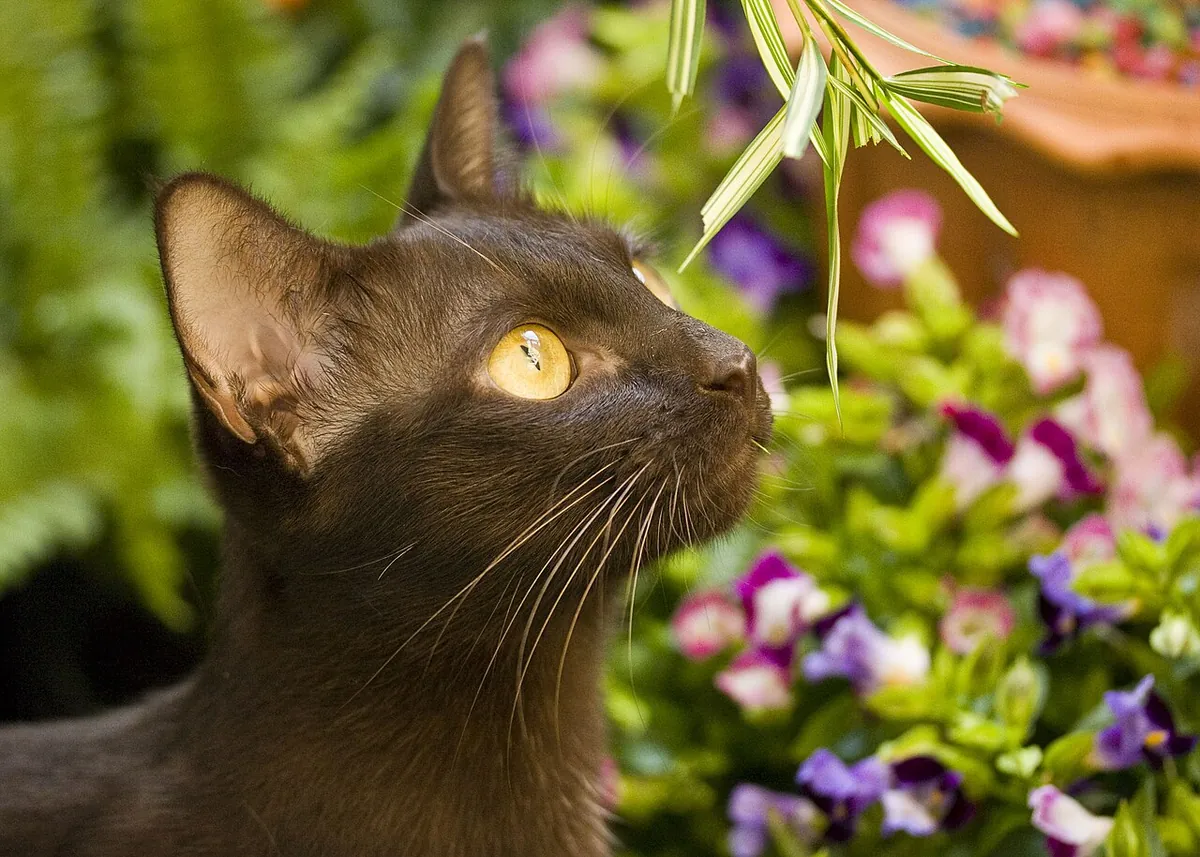
Suphalak
Also known as: Thong Daeng · Copper cat · Supalak · Supaluck · Thai copper cat
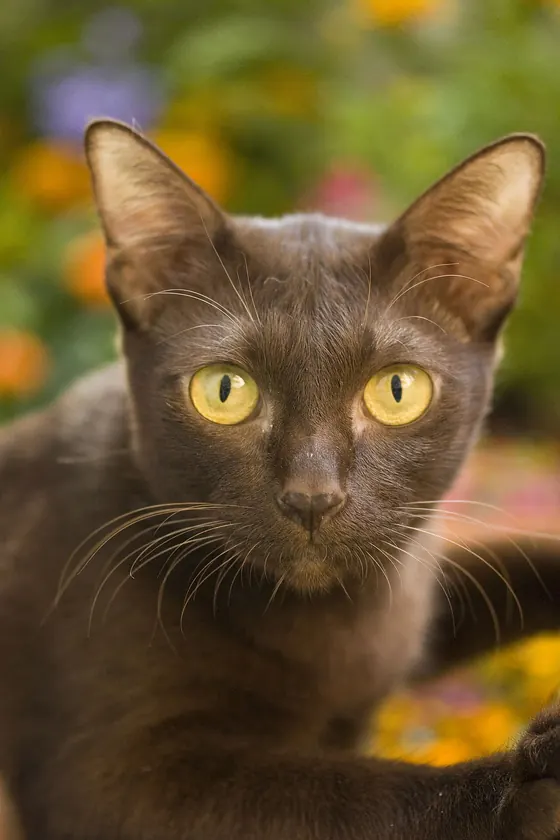
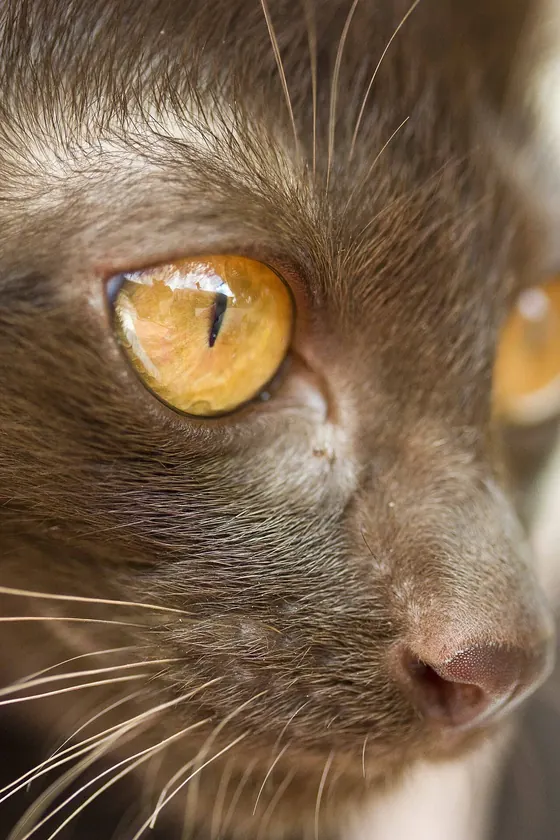
Photos: Maewboran (CC BY-SA 3.0) · Maewboran (CC BY-SA 4.0), via Wikimedia Commons.
Breed profile
* An estimate for Spain in 2026 (food, litter, vet and insurance), based on the size, grooming and health needs of the breed, not on measured costs of individual cats.
What it is like
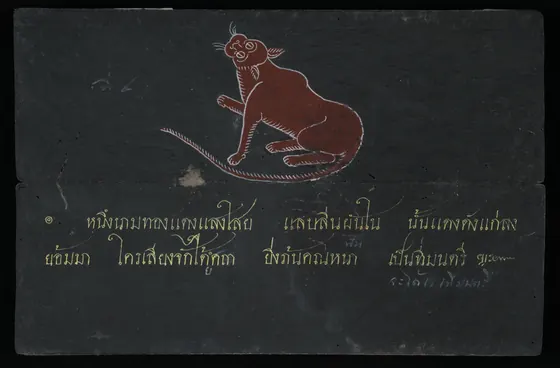
It is one of the cats described in the Tamra Maew, the books of cat poems attributed to the kingdom of Ayutthaya in old Siam, which also include the Siamese and the Korat. In Thailand it is also called thong daeng, “copper”, because of its colour: a warm, even brown that breeders compare to tamarind pulp, with no stripes and no darker points, and golden yellow eyes. A legend says that after the sack of Ayutthaya in 1767, the Burmese king Hsinbyushin read the Suphalak poem and ordered every one he could find to be taken away, and today this is told half in jest to explain why it is so rare. It should not be confused with the sable Burmese, which carries the Burmese gene and has a slightly darker face, ears and legs, or with the Havana Brown, a breed created in Europe. The WCF publishes its standard, and in 2015 the first Suphalak was registered in the United States, a female called Thonga. In character it is very attached to its people and does not like being left alone.
Temperament
Care
Its short coat is kept in order with a rubber mitt once a week. It needs company and play: it is the kind of cat that follows its people round the house and picks up routines easily. Hunting play every day, scratching posts and high places. Outside Thailand it is extremely rare; if someone offers you one, ask for the registration and photos of the parents, because any brown cat is not a Suphalak.
Health
As a natural breed still being developed, it has no known inherited diseases of its own, although studies are scarce. It is affected by the common cat problems: tartar, excess weight, cystitis and kidney disease with age. Vaccinations, parasite control, neutering and an annual check-up like any other cat.
Fun facts
Thais compare its colour to tamarind pulp.
The first Suphalak born outside Thailand was a daughter of Thonga, in 2015.
The Thai film Cat a Wabb (2015) was based on a Suphalak called Johnny.
The last image on its profile is the Suphalak plate from an old Tamra Maew manuscript.
Frequently asked questions
How big does a Suphalak get?
An adult Suphalak usually weighs 3–5 kg (7–11 lb) and stands about 23–28 cm (9–11 in) at the shoulder, which makes it a medium cat.
How long does a Suphalak live?
Its usual life expectancy is 12–16 years. Living indoors, being neutered and having regular vet check-ups make the biggest difference.
Is the Suphalak hypoallergenic?
No. It produces the usual cat allergens. If someone at home is allergic, spend time with the breed before deciding and talk to an allergist.
Is the Suphalak good with children?
Usually yes: it tends to be patient and sociable with children. As with any cat, teach children to let it walk away when it has had enough.
How much play does a Suphalak need?
As a guide, 30 min of play a day. Its activity score is 4 out of 5: short daily play sessions with a wand toy work better than one long one.
Similar breeds
All breeds A to Z Cost calculator (Spanish) Food portions (Spanish)