
A cat is a 15 to 20 year commitment
A well cared for indoor cat now lives 14 to 18 years, and plenty make it past twenty. Think about your life fifteen years from now, not next week.
The real numbers
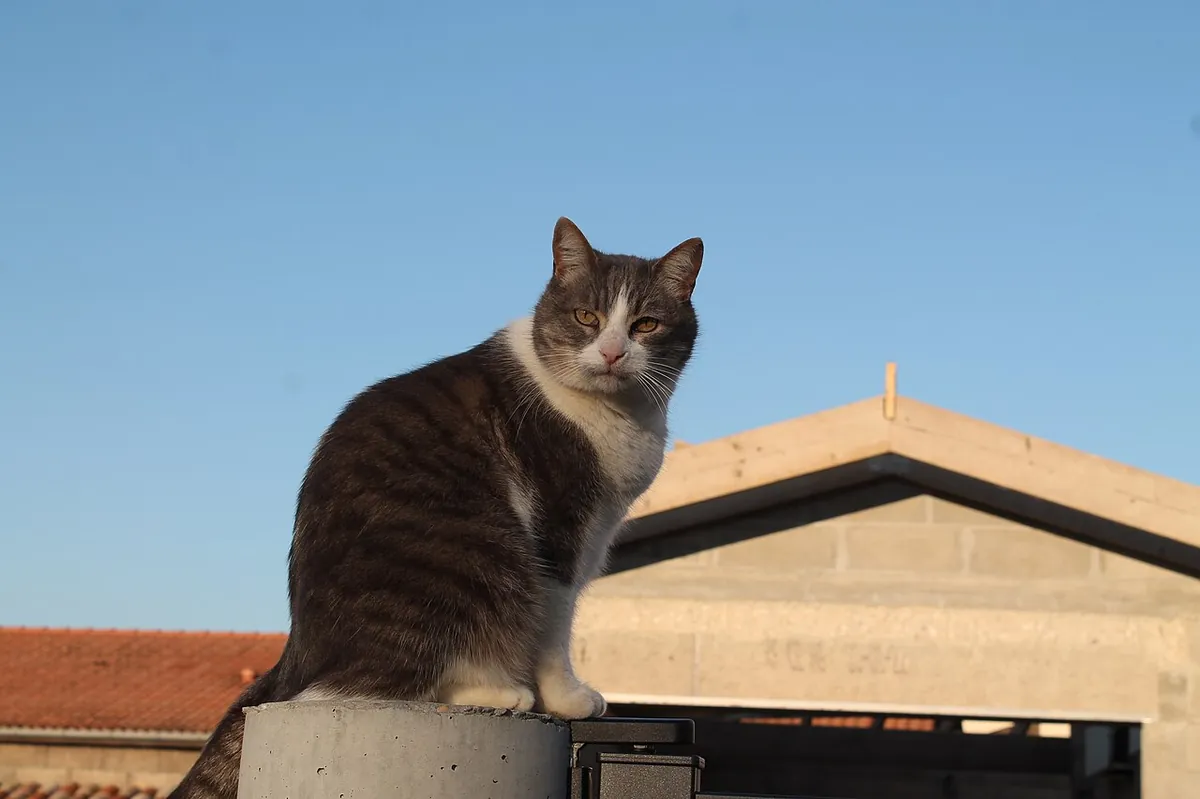
A neutered indoor cat with regular check-ups lives around 14 to 16 years on average, and reaching 18 or 20 is not unusual. Cats that roam freely live a good deal less, because of traffic, fights and infections. Put another way: adopt a kitten at 25 and you can expect it to still be with you at 40, after several house moves, perhaps a new partner and children. That is longer than most rental agreements, most jobs and many relationships, and it is worth seeing it that way before you say yes.
Independent does not mean self-caring
The reputation for being self-sufficient is behind a lot of problems. A cat does not need walks, but it does need its litter tray scooped every day, play every day, someone checking that it eats, drinks and pees normally, and a trip to the vet when something changes, because cats hide feeling unwell far better than dogs do. Bored cats left alone for long hours do not bark about it: they put on weight, pull their fur out, spray or break things. Choosing a cat because it is “less work” is the surest way to end up with a cat with problems.
Holidays, trips and time away
In Spain, Law 7/2023 makes it illegal to leave any pet unsupervised for more than three days in a row, and most cats struggle long before that. What they cope with best is staying at home with someone who visits once or twice a day: a trusted neighbour or a professional cat sitter, who in Spain usually charges €12 to €25 a visit. Cat boarding (a cattery) costs roughly €12 to €25 a day there. Two weeks of holiday a year therefore means €200 to €500 that belongs in the budget from the start, not something to sort out at the last minute in July.
The final stage, and it is a long one
A cat counts as senior from ten, so old age can take up a third of its life. This is the stage of chronic kidney disease, hyperthyroidism, arthritis that hardly ever shows as limping, diabetes and dental problems. It brings check-ups every six months, blood tests, sometimes daily medication or a special diet for years. It is the part nobody pictures when they bring home a two-month-old kitten, and it is behind many of the older cats handed in to shelters. Plan for it from day one.
Who does what, exactly
In most homes there is one person who wants the cat and several who say they will help. Agree it out loud before the cat arrives: who scoops the litter tray every day, who plays with it in the evening, who takes it to the vet during working hours, who pays for the food and who keeps the cat if the couple splits up or someone moves away. If someone in the house is pregnant, another person will need to take over the litter tray for a few months. It sounds over the top, but it is exactly what stops everything falling on one person and the cat ending up in a shelter.
Before adopting, think about where you will live and who with in fifteen years’ time. If you are not sure, start by fostering: you give a shelter cat a home for a few weeks and the charity covers the costs.
Educational content from Michipedia. It does not replace the advice of a vet or a feline behaviour specialist. Every cat is an individual.