
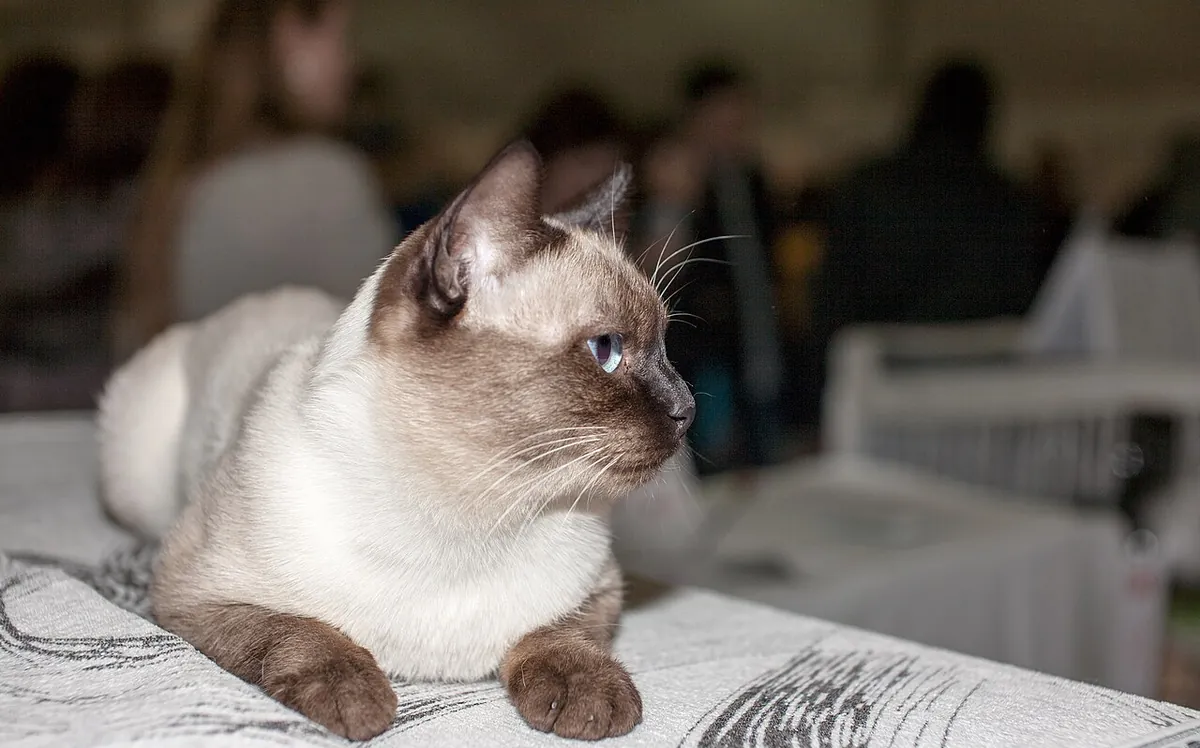
Thai (traditional Siamese)
Also known as: Thai · Traditional Siamese · Old-style Siamese · Applehead Siamese · Classic Siamese
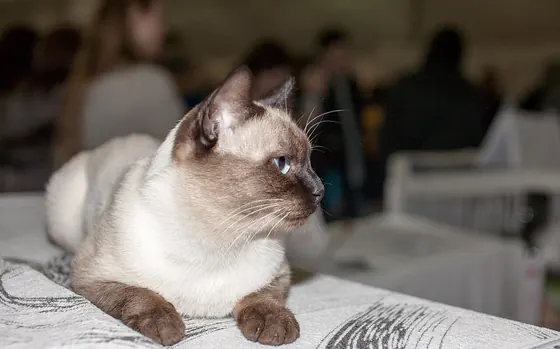
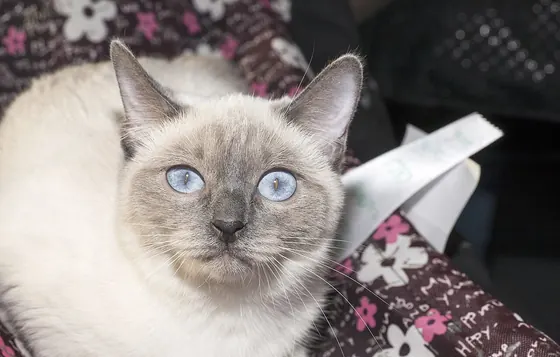
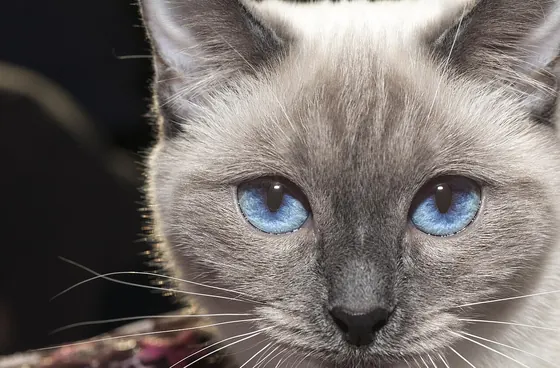
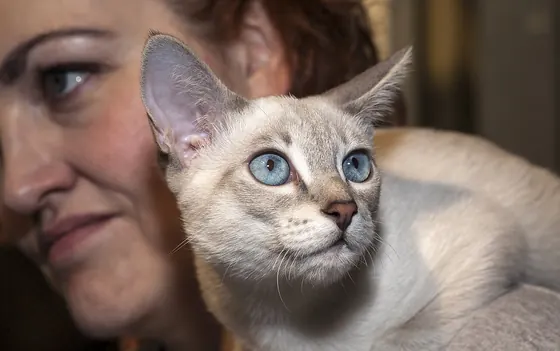
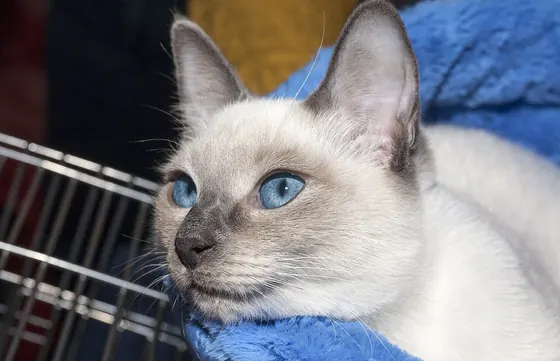
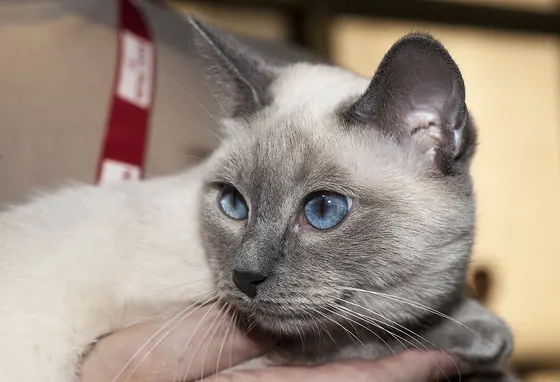
Photos: Nickolas Titkov from Moscow, Russian Federation (CC BY-SA 2.0), via Wikimedia Commons.
Breed profile
* An estimate for Spain in 2026 (food, litter, vet and insurance), based on the size, grooming and health needs of the breed, not on measured costs of individual cats.
Varieties
Two kinds of Siamese: the modern show type and the traditional one
What it is like
This is the Siamese as it was until the 1950s, before show breeding refined it to the extreme. While the modern Siamese grew ever longer, a group of European breeders kept breeding the old type, with an athletic body, a rounded head and well-proportioned ears, and the WCF recognised it in 1990 under the name Thai. It is the look of the pointed cats you see around Thailand, and the one many people remember from their grandparents' house. It is every bit as clever and chatty as its cousin, although a little less intense and with a softer voice.
Coat colours and patterns
Colours and patterns that are common or accepted in this breed. Each page explains where the colour comes from, the myths around it and other breeds that have it.
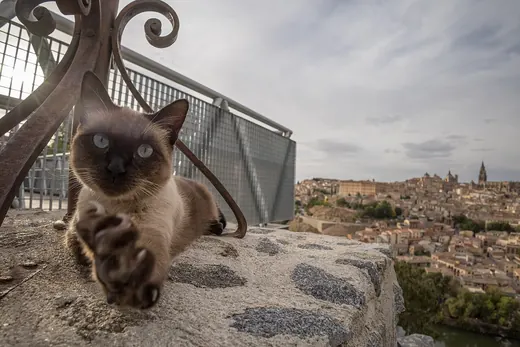
All cat coat colours and patterns →
Temperament
Care
A weekly brush and little else: it sheds lightly and does not need baths. What matters is company and play. It loves wand toys, tunnels and learning tricks for treats. It tolerates being alone somewhat better than the modern Siamese, but ten hours on its own every day is not for it. Watch its portions: being sturdier, it puts on weight easily once neutered if the bowl is left full. Annual dental check.
Health
Because it shares genes with the Siamese, it can inherit progressive retinal atrophy (rdAc, DNA test available), dental problems and asthma. Its moderate build spares it some of the drawbacks of the extreme type, such as very narrow jaws with crowded teeth. On the whole it is a healthy, long-lived cat; ask for the parents' PRA test results.
Fun facts
In Thailand it is called Wichienmaat, usually translated as “moon diamond”.
Photos of Siamese cats from the 1930s to the 1950s look far more like a Thai than like a modern show Siamese.
Some registries call it the Old-style Siamese; the WCF and TICA use the name Thai.
As in the Siamese, the points come out darker in cold climates and lighter in warm ones.
Frequently asked questions
How big does a Thai (traditional Siamese) get?
An adult Thai (traditional Siamese) usually weighs 3–5.5 kg (7–12 lb) and stands about 22–28 cm (9–11 in) at the shoulder, which makes it a medium cat.
How long does a Thai (traditional Siamese) live?
Its usual life expectancy is 12–16 years. Living indoors, being neutered and having regular vet check-ups make the biggest difference.
Is the Thai (traditional Siamese) hypoallergenic?
No. It produces the usual cat allergens. If someone at home is allergic, spend time with the breed before deciding and talk to an allergist.
Is the Thai (traditional Siamese) good with children?
Usually yes: it tends to be patient and sociable with children. As with any cat, teach children to let it walk away when it has had enough.
How much play does a Thai (traditional Siamese) need?
As a guide, 30 min of play a day. Its activity score is 4 out of 5: short daily play sessions with a wand toy work better than one long one.
Similar breeds
All breeds A to Z Cost calculator (Spanish) Food portions (Spanish)