
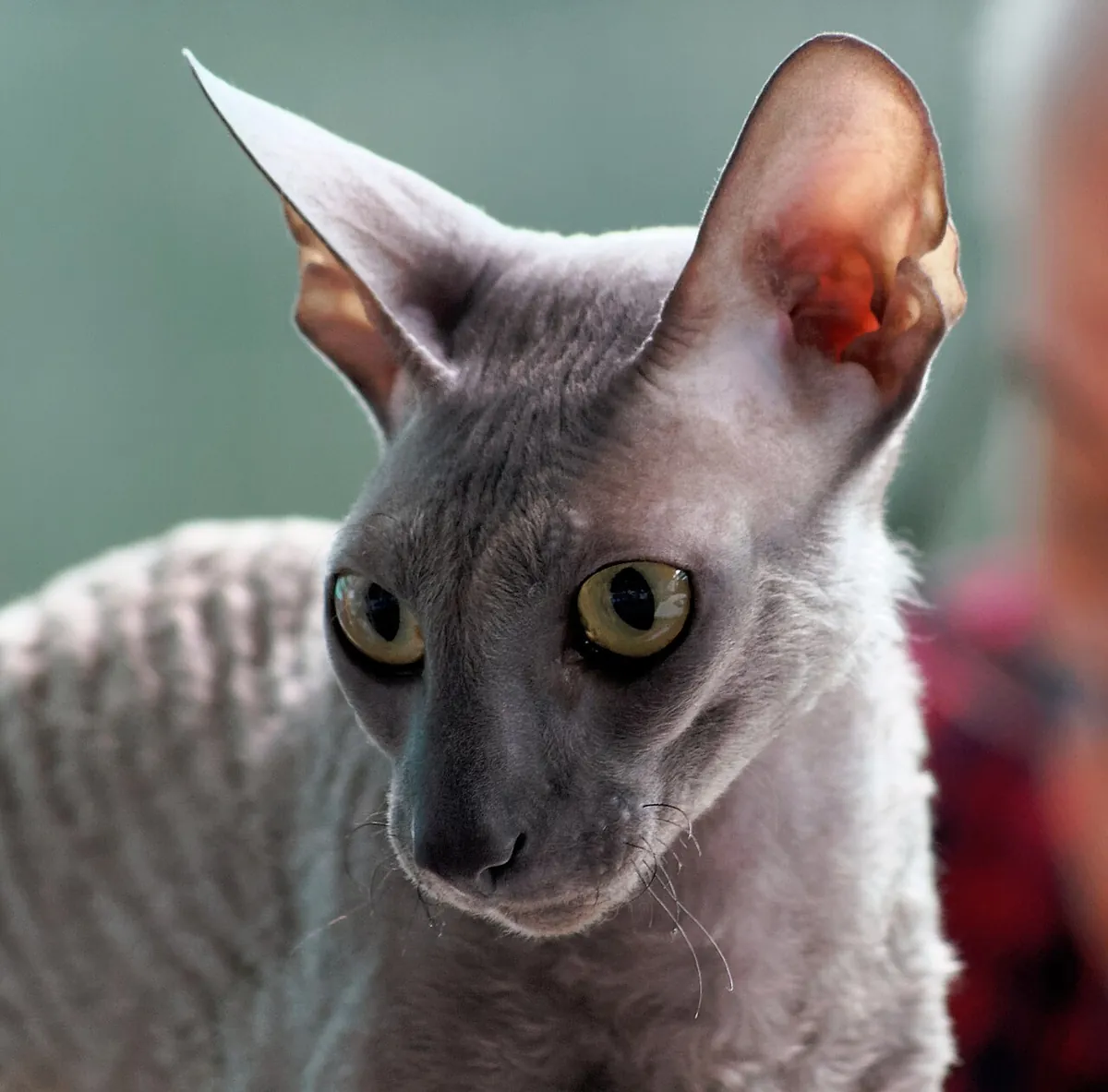
Cornish Rex
Also known as: Cornish · Curly cat · Greyhound cat · Cornish Rex cat
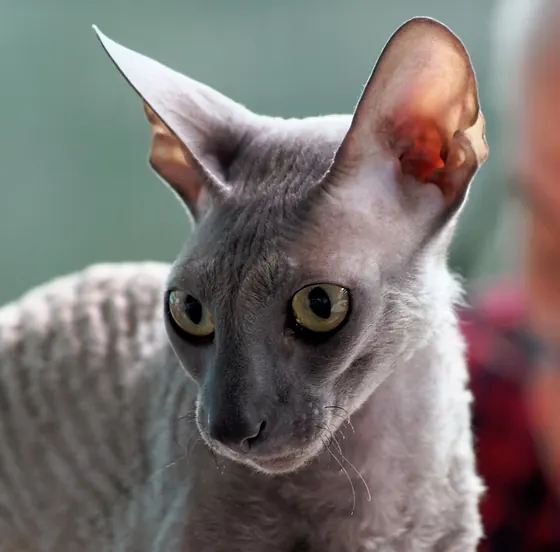
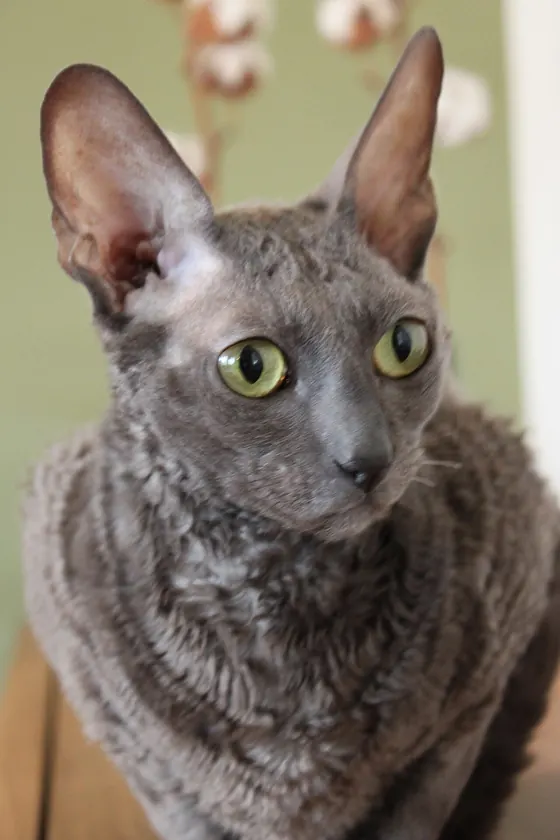
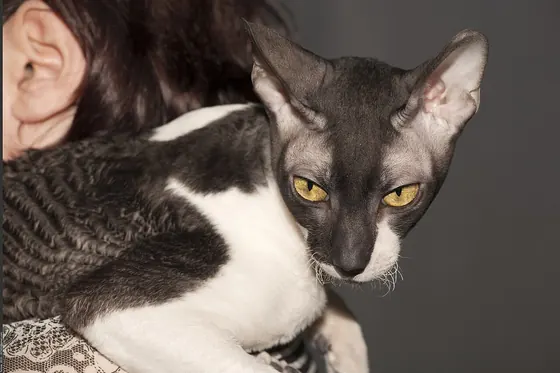
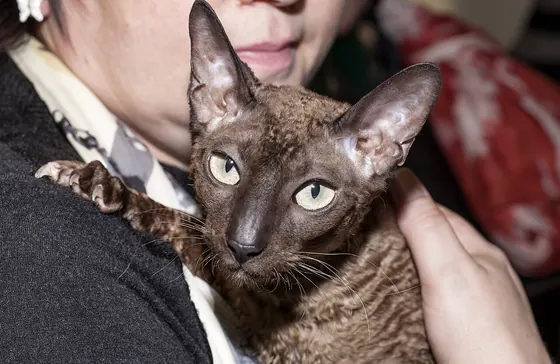
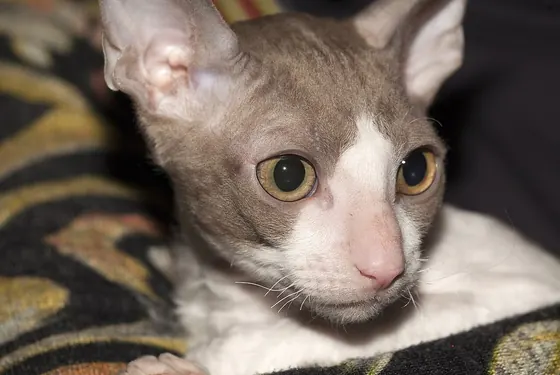
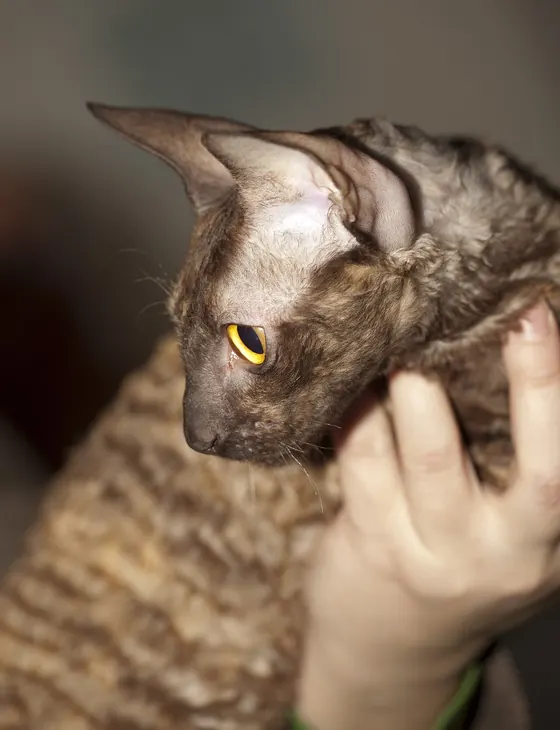
Photos: Jakub Hałun (CC BY-SA 4.0) · Stefanieoliviabeck (Public domain) · Nickolas Titkov from Moscow, Russian Federation (CC BY-SA 2.0), via Wikimedia Commons.
Breed profile
* An estimate for Spain in 2026 (food, litter, vet and insurance), based on the size, grooming and health needs of the breed, not on measured costs of individual cats.
What it is like
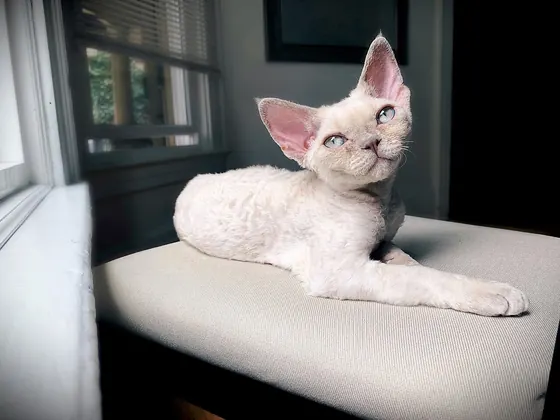
In 1950 a wavy-coated kitten called Kallibunker was born on a farm in Cornwall, England. His owner, Nina Ennismore, consulted geneticists and began breeding him. The Cornish has no outer coat or guard hairs, just a wavy undercoat so soft it feels like velvet. Its curl is caused by the LPAR6 gene. It has a sleek body, arched back, tucked-up belly and long legs, like a small greyhound, and it runs and jumps with tremendous agility. It is playful, outgoing, very affectionate and keeps playing well into adulthood. It is cited as hypoallergenic, but Fel d 1 is in saliva and skin, not hair: no cat is free of the allergen.
Coat colours and patterns
Colours and patterns that are common or accepted in this breed. Each page explains where the colour comes from, the myths around it and other breeds that have it.
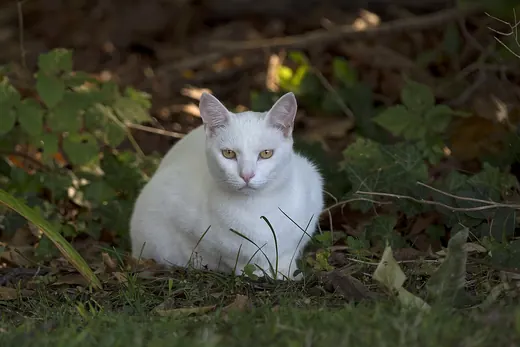 White
Colour · Solid white cat, White
White
Colour · Solid white cat, White
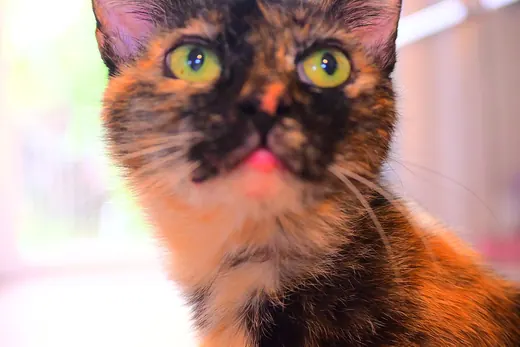 Tortoiseshell
Colour · Tortie, Tortoiseshell
Tortoiseshell
Colour · Tortie, Tortoiseshell
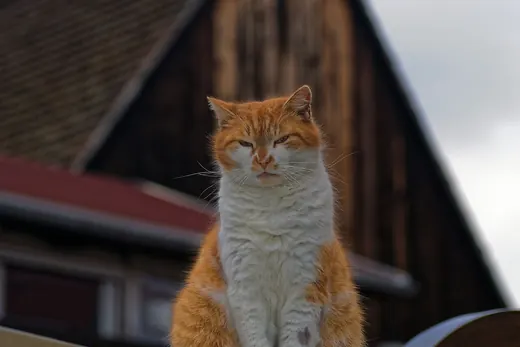 Bicolour
White spotting · Black and white cat, Ginger and white cat
Bicolour
White spotting · Black and white cat, Ginger and white cat
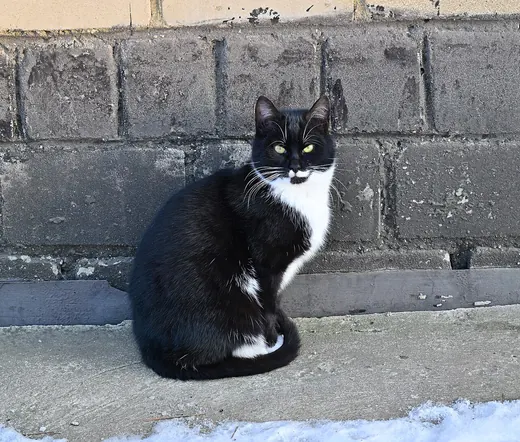 Tuxedo
White spotting · Tuxedo, Black and white cat
Tuxedo
White spotting · Tuxedo, Black and white cat
All cat coat colours and patterns →
Temperament
Care
No stiff brushes: a soft cloth or your hand is enough. With so little hair, skin oil shows, and an occasional bath is a good idea. Clean the ears and paw pads. Sensitive to cold and sun. It needs intense daily play and company. Its metabolism is fast and it tends to eat a lot, so split its ration into several meals.
Health
A fairly healthy breed. HCM, patellar luxation and hypotrichosis (patches with almost no hair) have been described. A significant proportion have blood type B, which matters for transfusions and breeding. Skin sensitivity, sunburn and oil-related dermatitis.
Fun facts
It has no guard hairs: its whole coat is undercoat, the finest layer of a cat's fur.
Its curl is likened to “Marcel” waves, a hairstyle from the 1920s.
Many Cornish Rex learn to fetch toys and open doors.
A more refined type was developed in the United States, while the British type is a little sturdier.
Frequently asked questions
How big does a Cornish Rex get?
An adult Cornish Rex usually weighs 2.5–4.5 kg (6–10 lb) and stands about 20–30 cm (8–12 in) at the shoulder, which makes it a small cat.
How long does a Cornish Rex live?
Its usual life expectancy is 12–16 years. Living indoors, being neutered and having regular vet check-ups make the biggest difference.
Is the Cornish Rex hypoallergenic?
It is often described as hypoallergenic, but no cat is free of the main cat allergen (Fel d 1). Some people with mild allergies react less to it; spend time with the breed before deciding.
Is the Cornish Rex good with children?
Usually yes: it tends to be patient and sociable with children. As with any cat, teach children to let it walk away when it has had enough.
How much play does a Cornish Rex need?
As a guide, 45 min of play a day. Its activity score is 5 out of 5: short daily play sessions with a wand toy work better than one long one.
Similar breeds
All breeds A to Z Cost calculator (Spanish) Food portions (Spanish)