
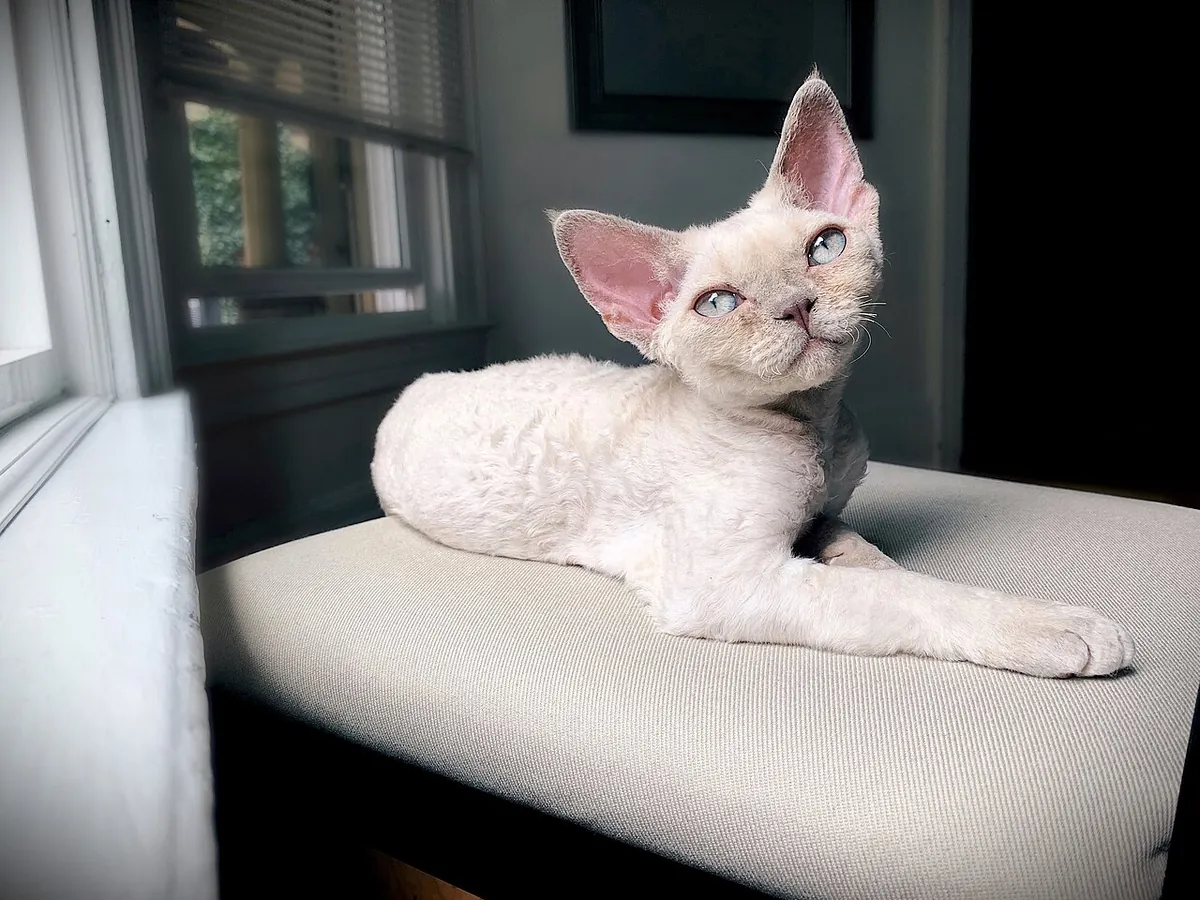
Devon Rex
Also known as: Devon · Pixie cat · Elf cat · Curly cat · Poodle cat
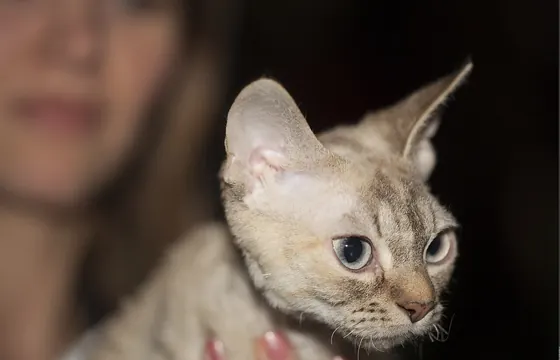
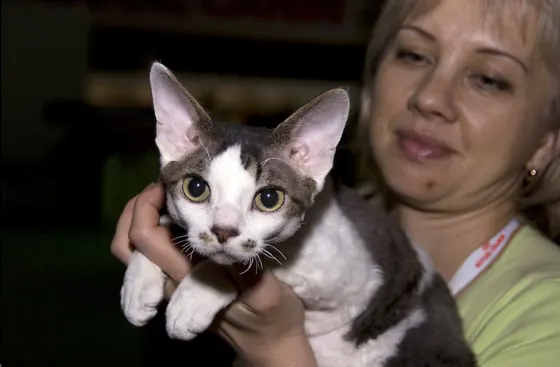
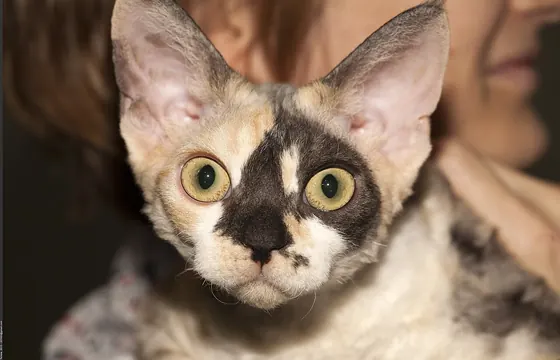
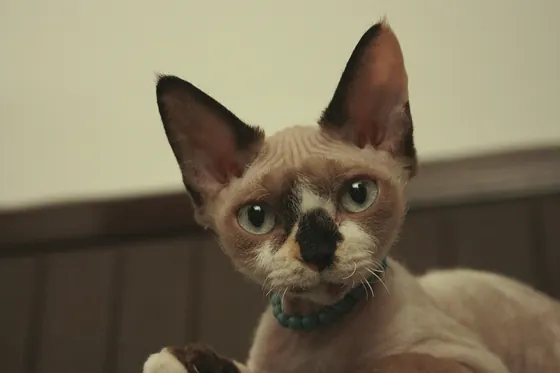
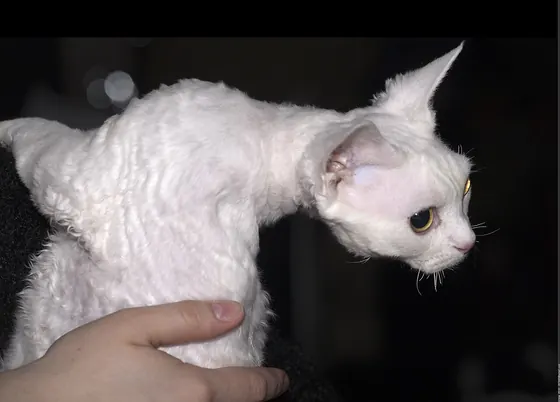
Photos: Arwen.the.rex (CC BY-SA 4.0) · Nickolas Titkov from Moscow, Russian Federation (CC BY-SA 2.0) · Juki (Public domain), via Wikimedia Commons.
Breed profile
* An estimate for Spain in 2026 (food, litter, vet and insurance), based on the size, grooming and health needs of the breed, not on measured costs of individual cats.
What it is like
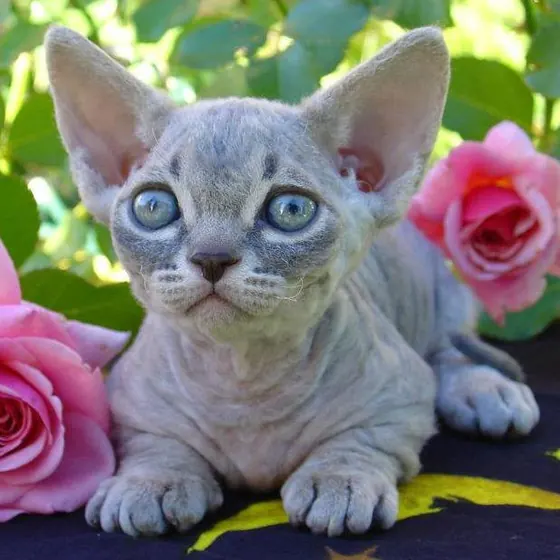
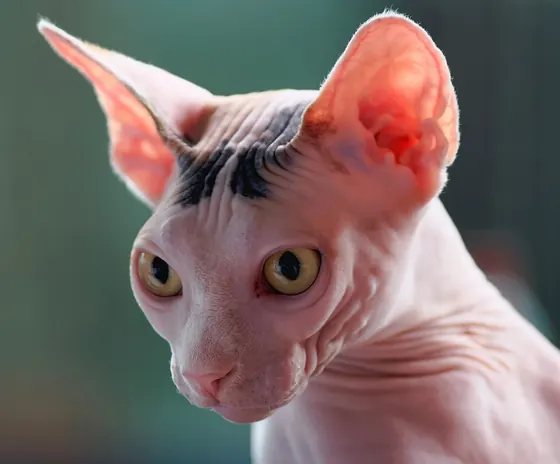
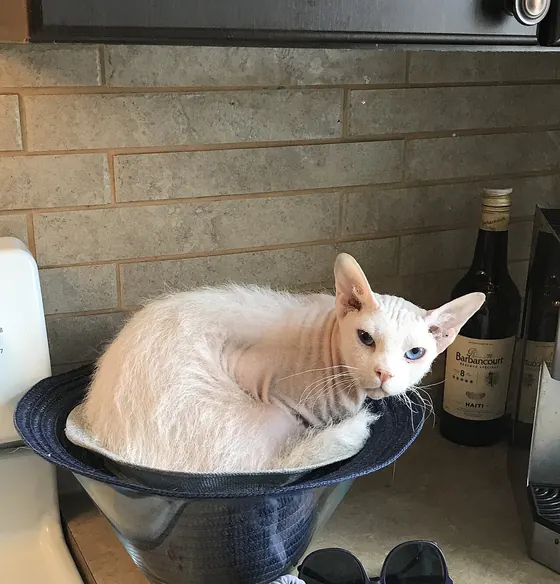
In 1960, in Buckfastleigh (Devon, England), Beryl Cox found Kirlee, a curly-coated kitten whose father was a curly-coated stray tom. When he was bred to Cornish Rex the kittens were born straight-coated: it was a different mutation, in the KRT71 gene. It has enormous ears, large eyes, a pixie face and a fine, wavy coat. It is one of the most playful and sociable cats: it climbs onto shoulders, plays fetch, learns tricks and wants to be in on everything. That is why it is called the poodle cat. It is cited as hypoallergenic because it sheds little, but it produces Fel d 1 like any cat and many allergy sufferers react.
Coat colours and patterns
Colours and patterns that are common or accepted in this breed. Each page explains where the colour comes from, the myths around it and other breeds that have it.
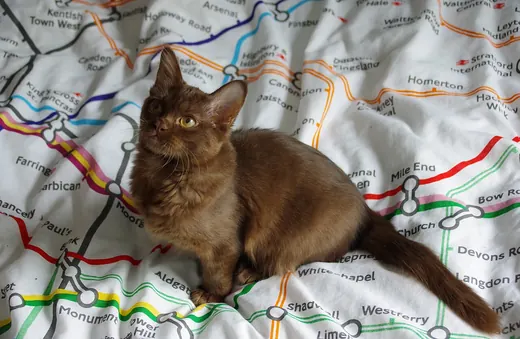 Chocolate
Colour · Brown cat, Havana
Chocolate
Colour · Brown cat, Havana
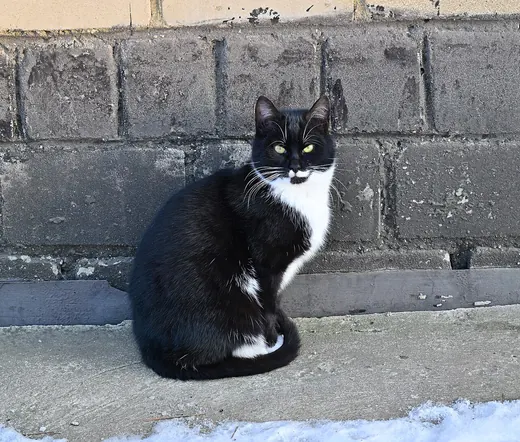 Tuxedo
White spotting · Tuxedo, Black and white cat
Tuxedo
White spotting · Tuxedo, Black and white cat
 Colourpoint
Pattern · Pointed, Siamese
Colourpoint
Pattern · Pointed, Siamese
All cat coat colours and patterns →
Temperament
Care
It should not be brushed: the hair is fragile and breaks. Just run a hand or a soft cloth over it, and bath it now and then if the skin gets greasy. Clean the ears often, as they build up wax. It feels the cold: warm beds and blankets. It needs almost constant company; if you are out for many hours, it is better with another cat. It eats heartily, so watch its portions.
Health
Devon Rex hereditary myopathy or congenital myasthenic syndrome (COLQ), with a DNA test. HCM, patellar luxation, hip dysplasia and urticaria pigmentosa. A high proportion have blood type B, which matters for transfusions and for avoiding neonatal isoerythrolysis when breeding.
Health problems to watch for
These are described more often in this breed. It does not mean a Devon Rex will have them, nor that a moggy is free of them: they are worth knowing about and discussing with your vet.
Fun facts
Kirlee's father was a curly-coated stray tom living near an abandoned mine.
The Devon and the Cornish look related, but their curls come from different genes.
Many Devons wag their tails when they are happy, like a dog.
Its face and ears earned it the name “pixie cat”, and the way it plays, “poodle cat”.
Frequently asked questions
How big does a Devon Rex get?
An adult Devon Rex usually weighs 2.5–4.5 kg (6–10 lb) and stands about 20–25 cm (8–10 in) at the shoulder, which makes it a small cat.
How long does a Devon Rex live?
Its usual life expectancy is 12–15 years. Living indoors, being neutered and having regular vet check-ups make the biggest difference.
Is the Devon Rex hypoallergenic?
It is often described as hypoallergenic, but no cat is free of the main cat allergen (Fel d 1). Some people with mild allergies react less to it; spend time with the breed before deciding.
Is the Devon Rex good with children?
Usually yes: it tends to be patient and sociable with children. As with any cat, teach children to let it walk away when it has had enough.
How much play does a Devon Rex need?
As a guide, 40 min of play a day. Its activity score is 5 out of 5: short daily play sessions with a wand toy work better than one long one.
Similar breeds
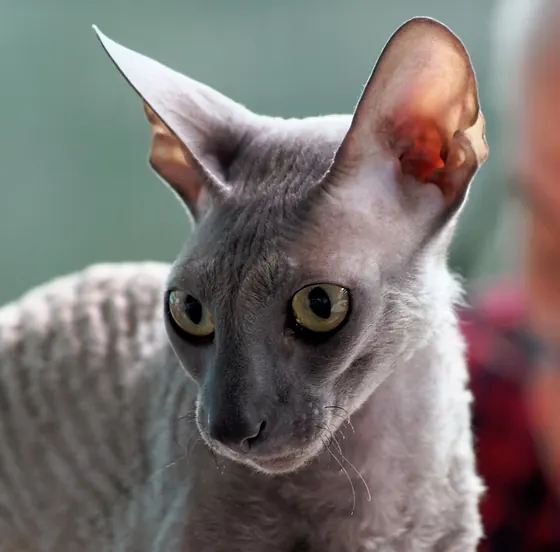
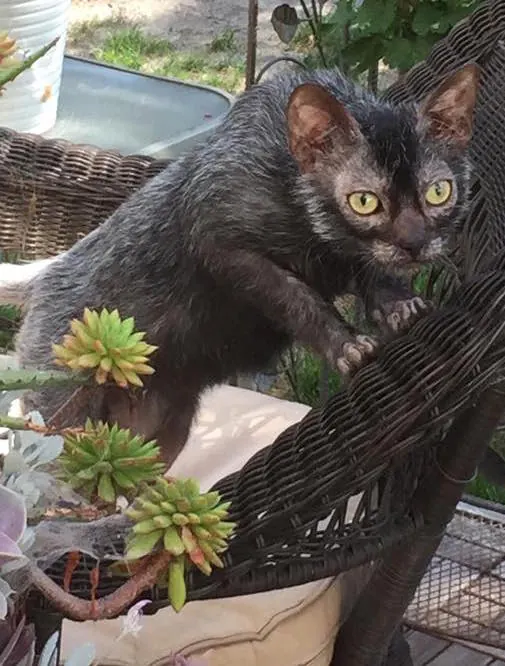
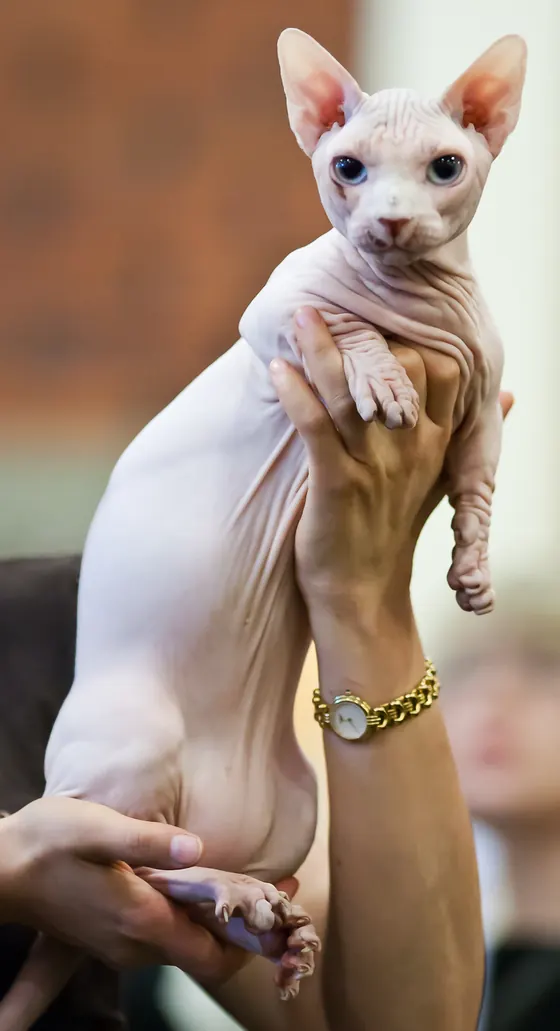
All breeds A to Z Cost calculator (Spanish) Food portions (Spanish)