
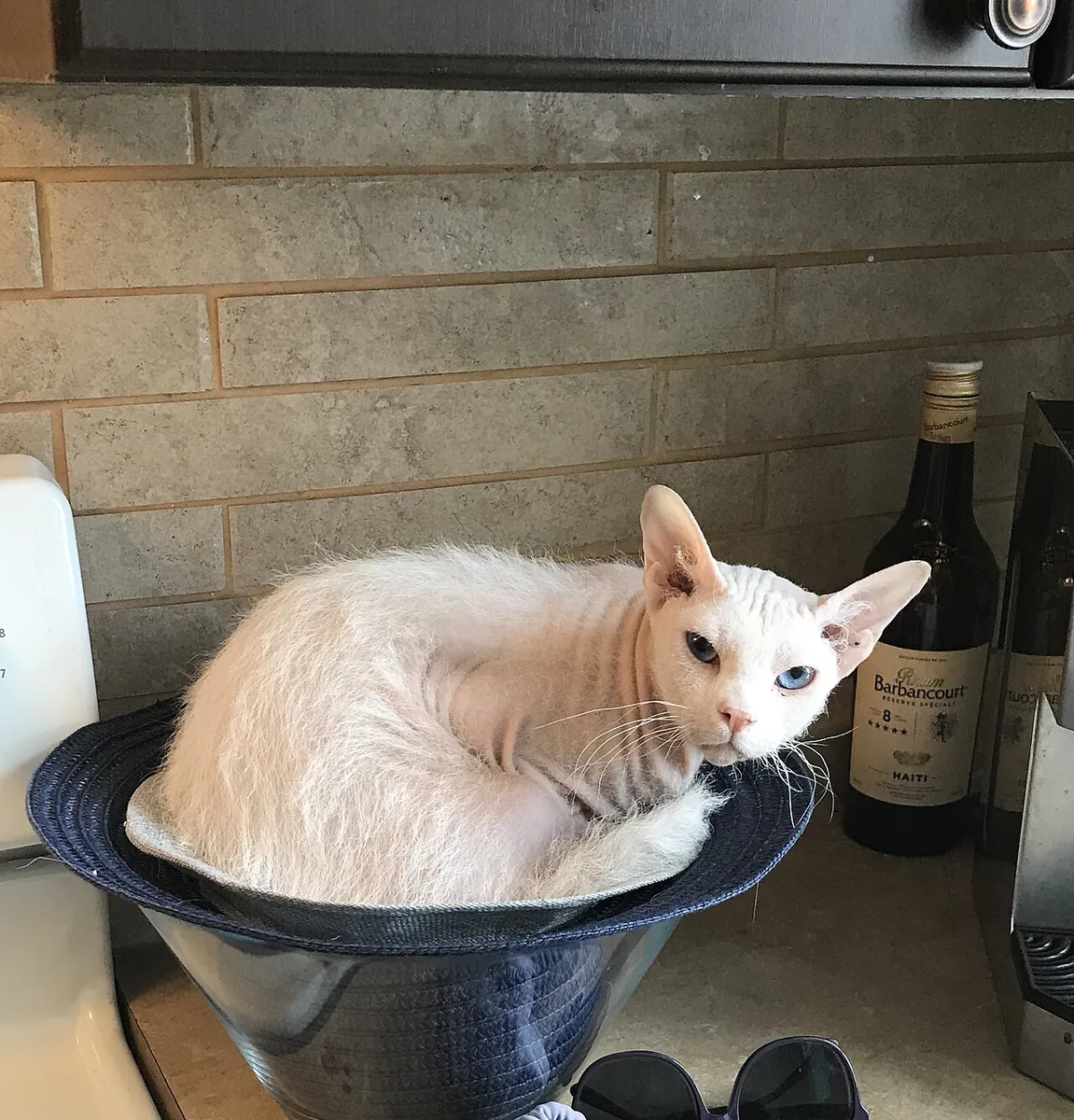
Peterbald
Also known as: Peterbald cat · Russian Peterbald · Petersburg Sphynx · Russian hairless cat · St Petersburg Sphynx
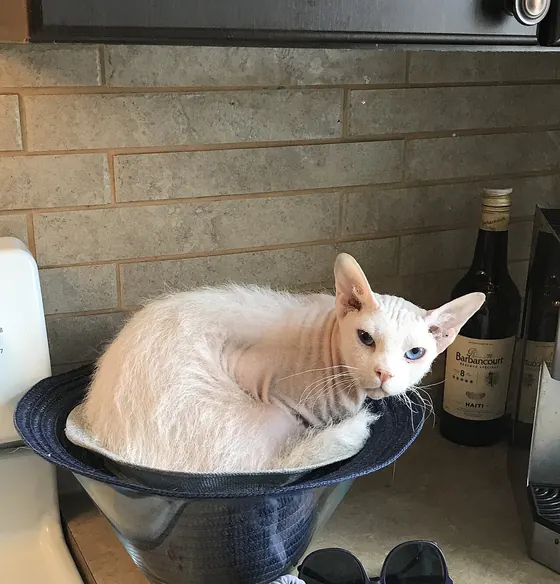
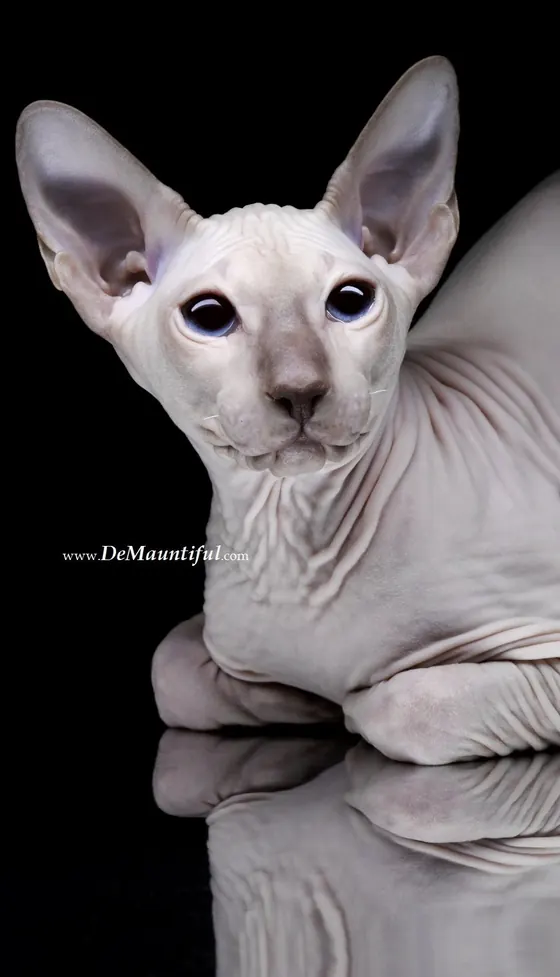
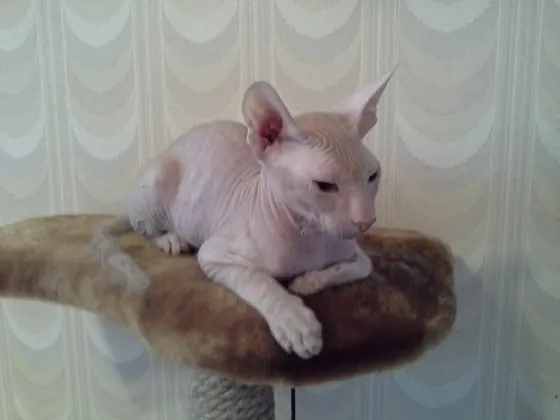
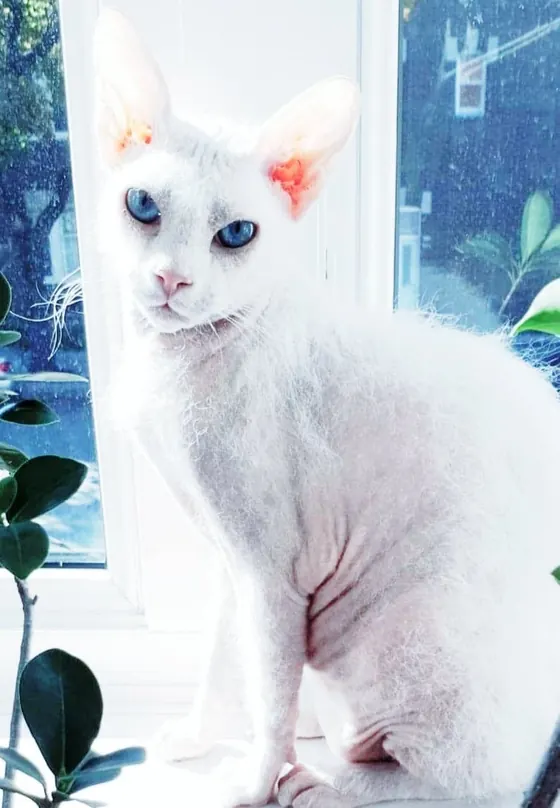
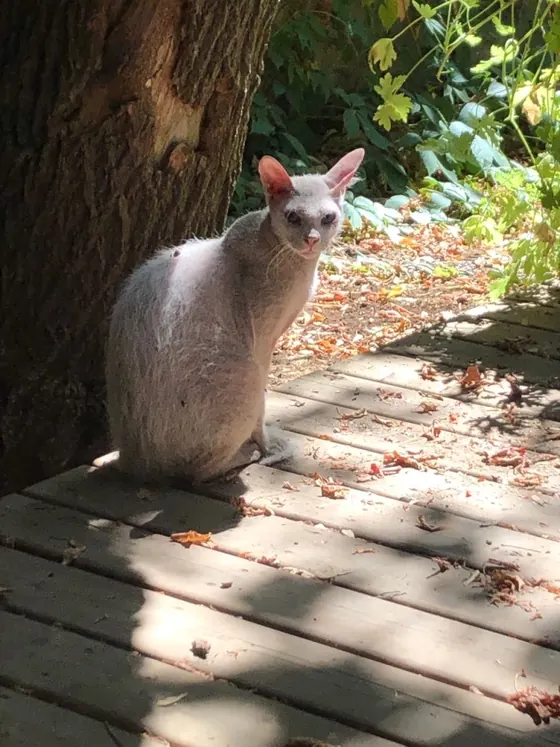
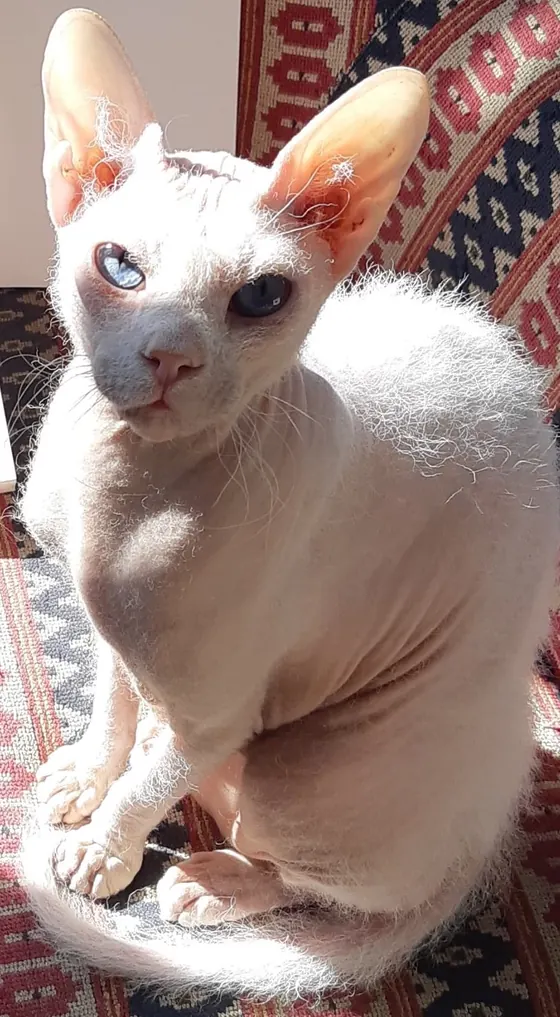
Photos: Acracrabe (CC BY-SA 4.0) · Ivan Menshenin Cattery DeMauntiful (CC BY-SA 4.0) · User:KetrinMerch (CC BY-SA 3.0) · Acracrabe (CC0), via Wikimedia Commons.
Breed profile
* An estimate for Spain in 2026 (food, litter, vet and insurance), based on the size, grooming and health needs of the breed, not on measured costs of individual cats.
Varieties
Peterbald coat variants
What it is like
It was born in St Petersburg in 1994, when the breeder Olga Mironova crossed a Donskoy male with an Oriental Shorthair female. The result was a cat with the sleek body of the Oriental, a wedge-shaped head, enormous ears and skin with no hair or very little. The gene is dominant, different from the Sphynx's, and the coat can change with age and season. It is an intelligent, very sociable cat, as talkative as a Siamese, that wants to be with its people all the time. It is cited as hypoallergenic, but having no hair does not mean having no allergens: Fel d 1 is in the saliva and skin.
Temperament
Care
The hairless variants need a bath or a wipe with a cloth every week or two because of skin oil, plus cleaning of ears and claws and protection from cold and sun. The brush-coated ones, less so. No unsupervised trips outdoors. It needs company and daily play; it copes badly with being alone. It eats a lot to keep warm.
Health
A young breed. Because of its Oriental base, progressive retinal atrophy (rdAc, testable), dental problems and gingivitis can occur. In the hairless variants, dermatitis, acne, sunburn and sensitivity to cold. Ask for the rdAc test and check its mouth often.
Fun facts
The founders were called Afinogen Myth, a Donskoy, and Radma von Jagerhof, an Oriental.
The same Peterbald can have more or less hair depending on the time of year.
Its long, slender feet let it grip objects almost as if it had fingers.
Kittens of two Peterbalds can be born with a normal coat: they are called straights and still belong to the breed.
Frequently asked questions
How big does a Peterbald get?
An adult Peterbald usually weighs 3–5 kg (7–11 lb) and stands about 20–28 cm (8–11 in) at the shoulder, which makes it a medium cat.
How long does a Peterbald live?
Its usual life expectancy is 12–15 years. Living indoors, being neutered and having regular vet check-ups make the biggest difference.
Is the Peterbald hypoallergenic?
It is often described as hypoallergenic, but no cat is free of the main cat allergen (Fel d 1). Some people with mild allergies react less to it; spend time with the breed before deciding.
Is the Peterbald good with children?
Usually yes: it tends to be patient and sociable with children. As with any cat, teach children to let it walk away when it has had enough.
How much play does a Peterbald need?
As a guide, 30 min of play a day. Its activity score is 4 out of 5: short daily play sessions with a wand toy work better than one long one.
Similar breeds
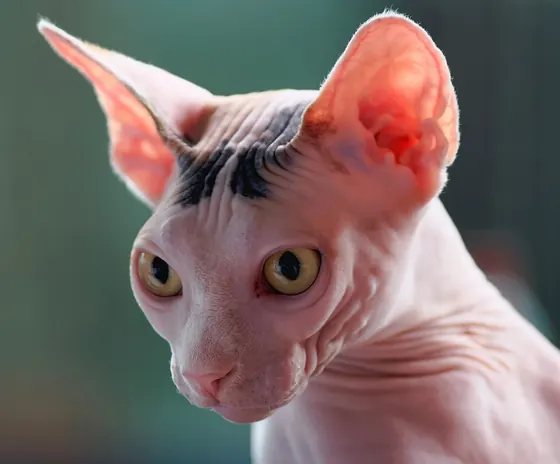
All breeds A to Z Cost calculator (Spanish) Food portions (Spanish)