
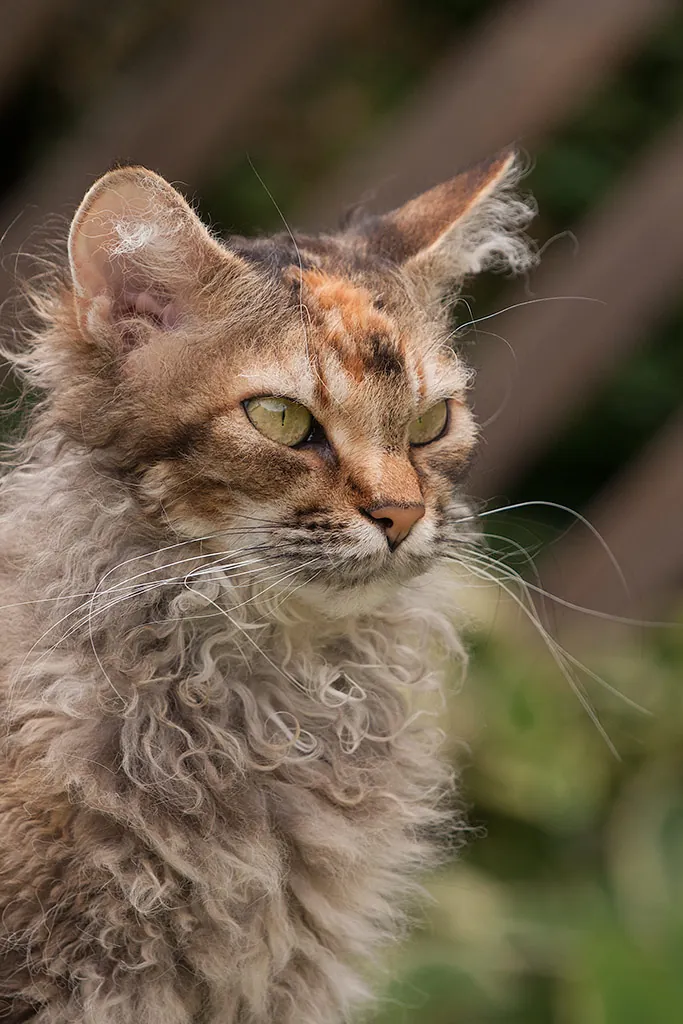
LaPerm
Also known as: La Perm · LaPerm cat · Curly cat · Perm cat · Longhaired LaPerm
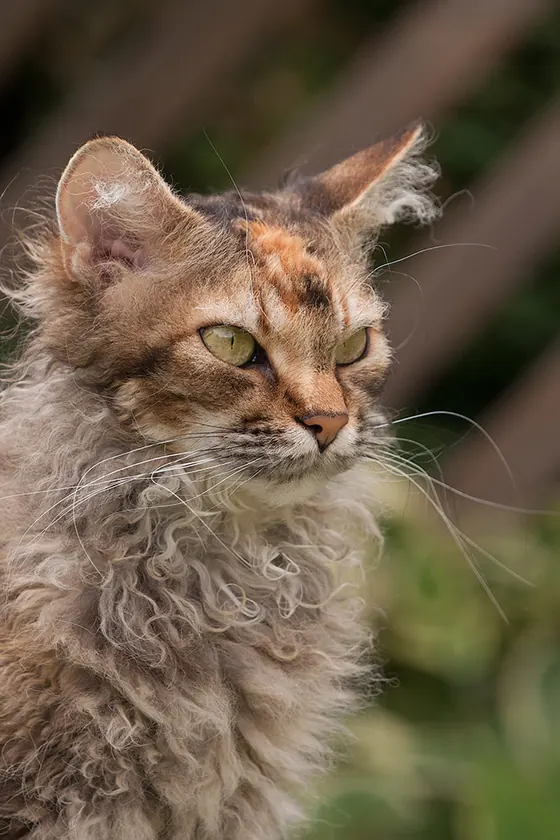
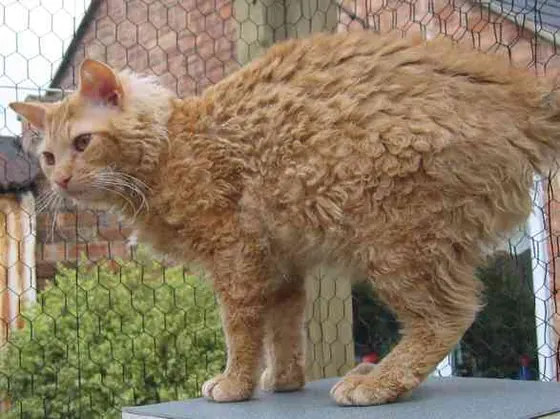
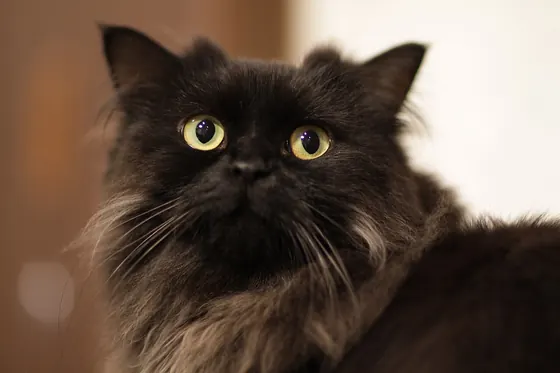
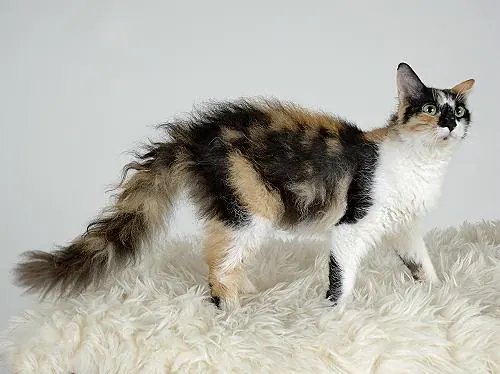
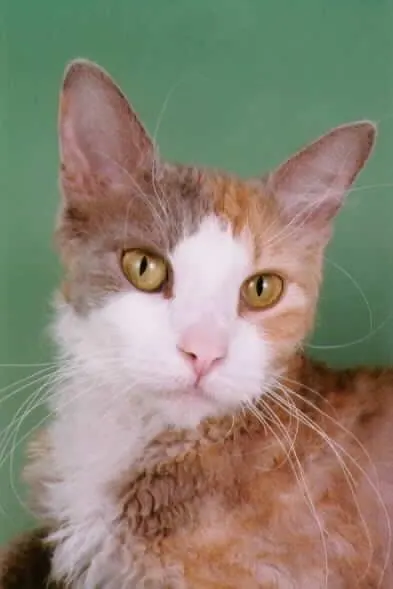
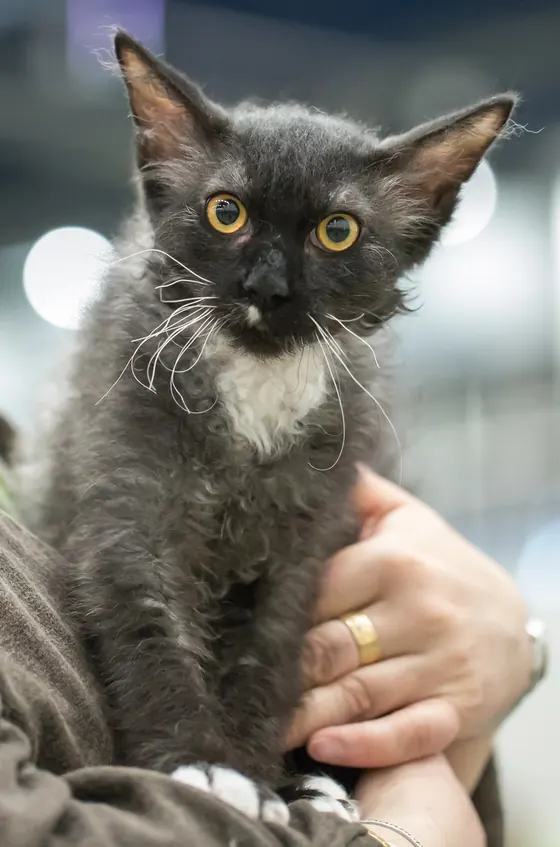
Photos: KRL LPL (CC BY-SA 4.0) · Bebopscrx (CC BY-SA 3.0) · Takashi(aes256) (CC BY-SA 2.0) · Autor de la imagen (ver página de Commons) (CC BY 3.0) · Heikki Siltala (CC BY 3.0), via Wikimedia Commons.
Breed profile
* An estimate for Spain in 2026 (food, litter, vet and insurance), based on the size, grooming and health needs of the breed, not on measured costs of individual cats.
Varieties
Two coat varieties
What it is like
In 1982, on a cherry farm in The Dalles (Oregon), a farm cat had a litter that included a bald female kitten. At eight weeks she grew soft, curly hair, and her owner, Linda Koehl, named her Curly. Several litters later the farm was full of curly cats: it was a dominant gene. That is how the LaPerm was born, named for its resemblance to a perm. It is a farm cat by origin, healthy and practical, but very affectionate, curious and a lap cat. It is listed among cats suitable for some allergy sufferers because it sheds little, but Fel d 1 is still in the skin and saliva: always test with the specific cat.
Coat colours and patterns
Colours and patterns that are common or accepted in this breed. Each page explains where the colour comes from, the myths around it and other breeds that have it.
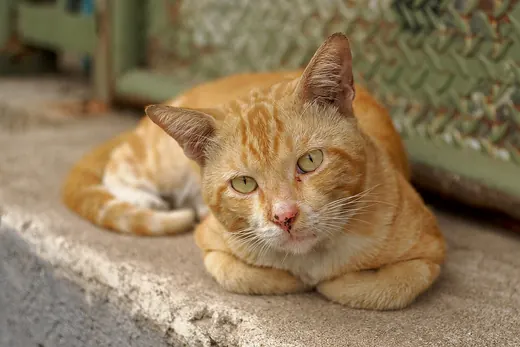
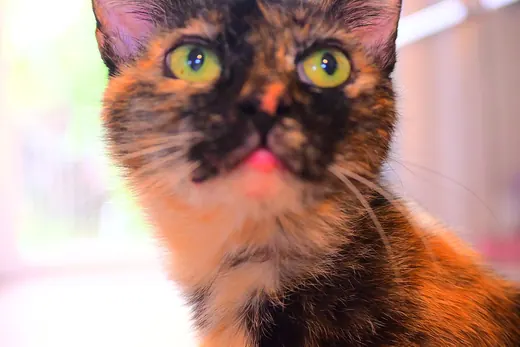
All cat coat colours and patterns →
Temperament
Care
A wide-toothed comb once a week; a bit more for the semi-longhair. It should not be brushed much, as the curl gets lost. An occasional dampening and air-drying defines the waves. Some kittens lose their coat and regrow it curly, which is normal. Daily play and a tall scratching post. It adapts well to flats, children and other animals, and is a good cat for first-time owners.
Health
A very healthy breed, with good genetic diversity thanks to crosses with domestic cats. It has no well-described inherited diseases of its own. Pyruvate kinase deficiency has been seen in the odd cat, so a PK-def test is worthwhile. Routine check-ups and dental care.
Health problems to watch for
These are described more often in this breed. It does not mean a LaPerm will have them, nor that a moggy is free of them: they are worth knowing about and discussing with your vet.
Fun facts
Many LaPerm kittens are born bald or lose their hair in the first weeks before it grows back curly.
Curly, the founder, was born on a cherry farm in Oregon.
Its name plays on the word “perm”, as in a hairdresser's permanent wave.
The curl is stronger on the cooler parts of the body and can change with the seasons.
Frequently asked questions
How big does a LaPerm get?
An adult LaPerm usually weighs 2.5–5 kg (6–11 lb) and stands about 20–28 cm (8–11 in) at the shoulder, which makes it a medium cat.
How long does a LaPerm live?
Its usual life expectancy is 12–16 years. Living indoors, being neutered and having regular vet check-ups make the biggest difference.
Is the LaPerm hypoallergenic?
It is often described as hypoallergenic, but no cat is free of the main cat allergen (Fel d 1). Some people with mild allergies react less to it; spend time with the breed before deciding.
Is the LaPerm good with children?
Usually yes: it tends to be patient and sociable with children. As with any cat, teach children to let it walk away when it has had enough.
How much play does a LaPerm need?
As a guide, 30 min of play a day. Its activity score is 3 out of 5: short daily play sessions with a wand toy work better than one long one.
Similar breeds
All breeds A to Z Cost calculator (Spanish) Food portions (Spanish)