
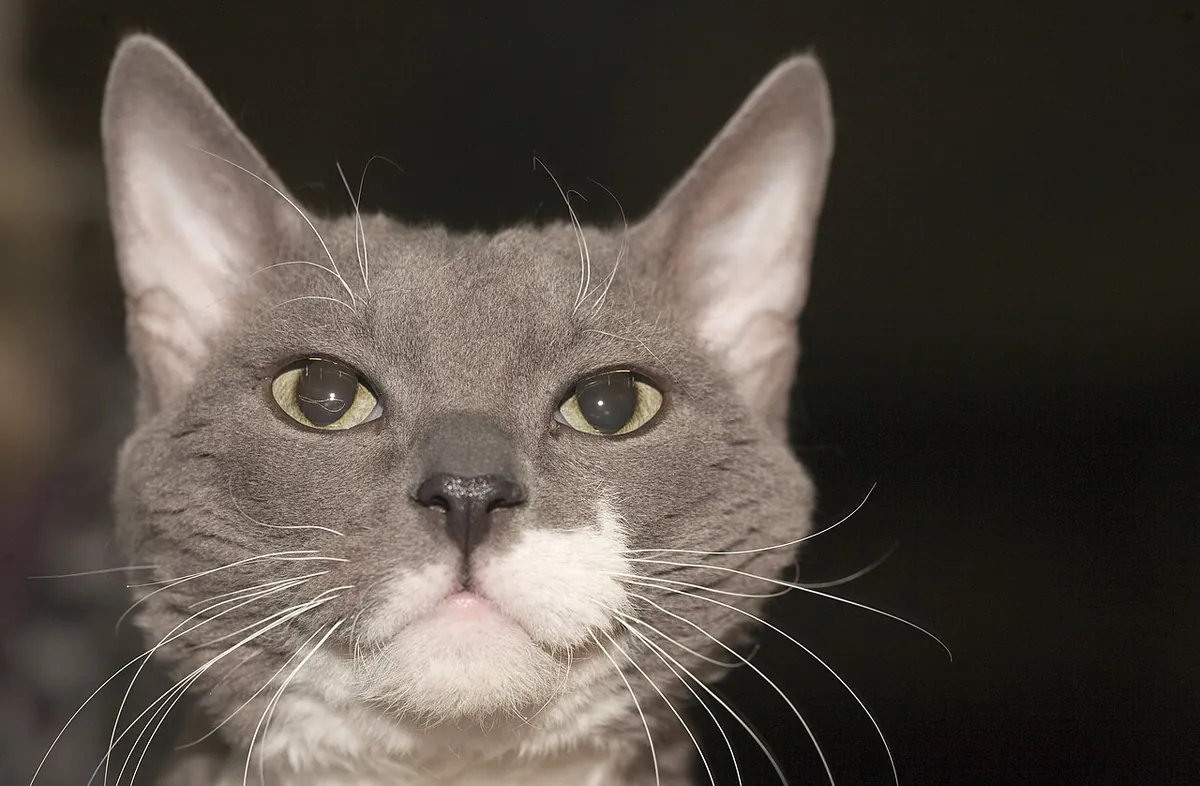
Ural Rex
Also known as: Ural Rex cat · Uralski reks · Russian curly cat · Ural curly cat
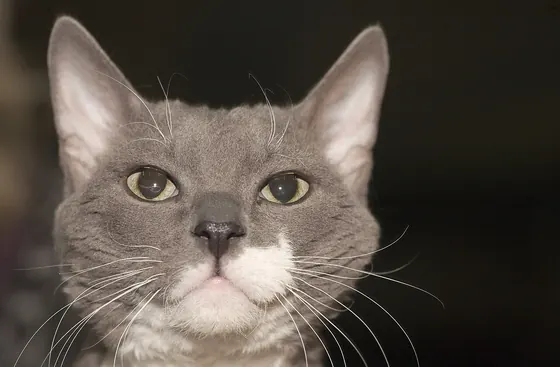
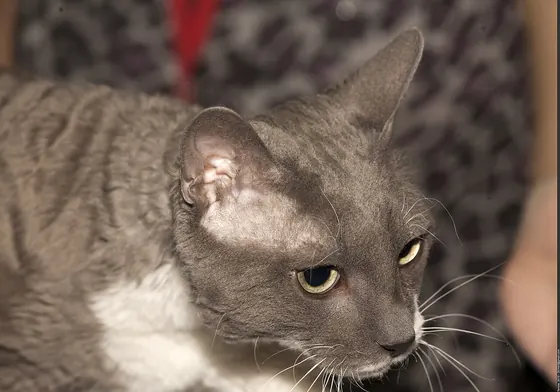
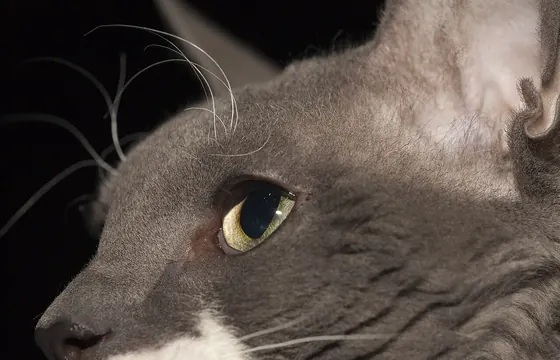
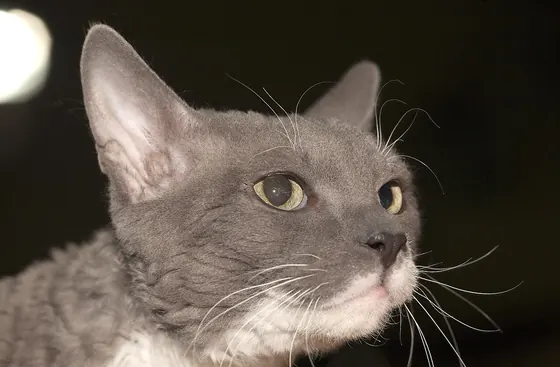
Photos: Nickolas Titkov from Moscow, Russian Federation (CC BY-SA 2.0), via Wikimedia Commons.
Breed profile
* An estimate for Spain in 2026 (food, litter, vet and insurance), based on the size, grooming and health needs of the breed, not on measured costs of individual cats.
What it is like
People in the villages and towns of the Urals were already talking about curly-coated cats before and during the Second World War, but afterwards they were almost lost. The founder of the modern breed was a curly cat called Vasily, born in 1988 in Zarechny, in the Sverdlovsk region. In 1992 his first curly relatives were shown at an exhibition in Sverdlovsk, now Yekaterinburg, and test matings with the Cornish Rex showed that its gene is recessive and different from those of the Cornish and German. Organised breeding began in 1994 and the WCF recognised it in August 2006. It is a medium-sized, muscular cat with a short, broad wedge-shaped head and a coat of springy waves that finishes developing at around two years. Calm and very attached to its people.
Temperament
Care
Gentle brushing once a week with a soft-bristled brush: rubbing too much undoes the waves. An occasional bath brings out the curl. Daily play without anything too elaborate, and company. It is an extremely rare breed outside Russia, so make sure the breeder is registered with a recognised association.
Health
According to Russian breeders, the curl gene has not been linked to inherited diseases despite the inbreeding of the first generations, although there are no large studies. The population is very small: ask about the parents' line. Otherwise, the same health care as any cat.
Fun facts
The breed's founder was a cat called Vasily, born in 1988 in Zarechny, in the Sverdlovsk region.
Test matings with the Cornish Rex showed that its curl gene is different.
Kittens already show their curl at 3–4 months, but the final waves do not settle until 2 years or later.
Almost the entire population is in Yekaterinburg and its region.
Frequently asked questions
How big does a Ural Rex get?
An adult Ural Rex usually weighs 3–6 kg (7–13 lb) and stands about 23–28 cm (9–11 in) at the shoulder, which makes it a medium cat.
How long does a Ural Rex live?
Its usual life expectancy is 12–16 years. Living indoors, being neutered and having regular vet check-ups make the biggest difference.
Is the Ural Rex hypoallergenic?
No. It produces the usual cat allergens. If someone at home is allergic, spend time with the breed before deciding and talk to an allergist.
Is the Ural Rex good with children?
Usually yes: it tends to be patient and sociable with children. As with any cat, teach children to let it walk away when it has had enough.
How much play does a Ural Rex need?
As a guide, 20 min of play a day. Its activity score is 3 out of 5: short daily play sessions with a wand toy work better than one long one.
Similar breeds
All breeds A to Z Cost calculator (Spanish) Food portions (Spanish)