
Bicolour cat
Also called: Black and white cat, Ginger and white cat, Cat with white patches, Bicolor.
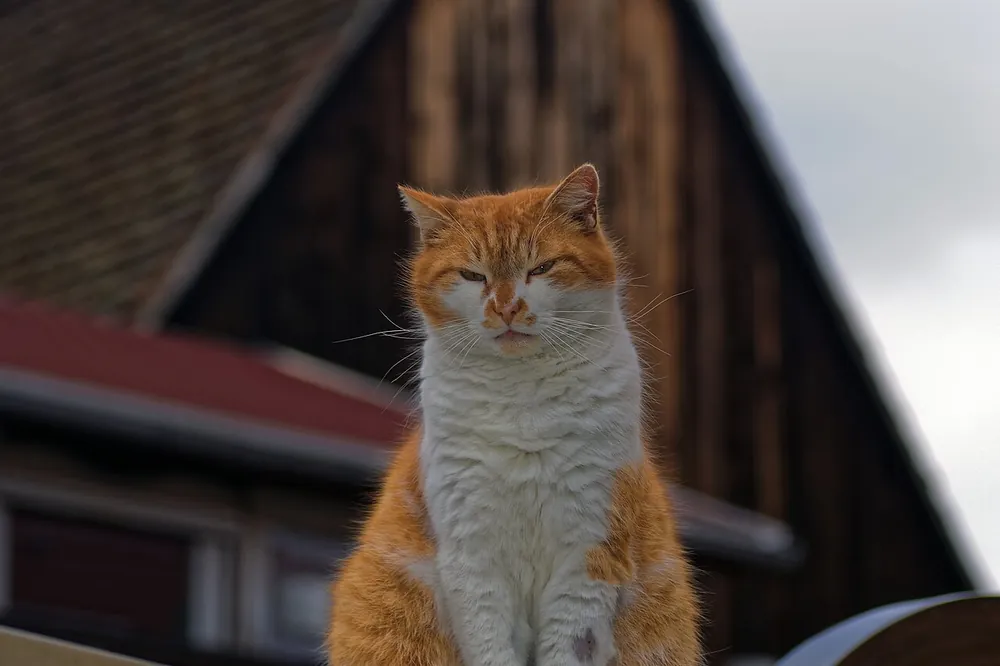
One colour, any colour, plus white areas: black and white, ginger and white, grey and white, tabby and white… Bicolour is not a colour but an amount of white, and between a cat with a bib and an almost white cat there is a whole scale.
What it looks like
In a show bicolour, between a third and a half of the cat is white: belly, chest, legs and an inverted “V” on the face, with the back, head and tail coloured. In everyday use, almost any cat with white gets called a bicolour. With less white you have the tuxedo or the cat with a locket; with more, the harlequin and the van.
The genetics, made simple
It is caused by the white spotting gene, from the KIT family. It slows the migration of pigment cells during the embryo’s development: they start out from the spine and do not reach everywhere, so the last areas to be coloured (belly, legs, chin) are left white. One copy of the gene usually gives less white and two copies more, although the amount varies hugely from cat to cat. It is independent of colour: it can come with any of them.
Myths and what science says
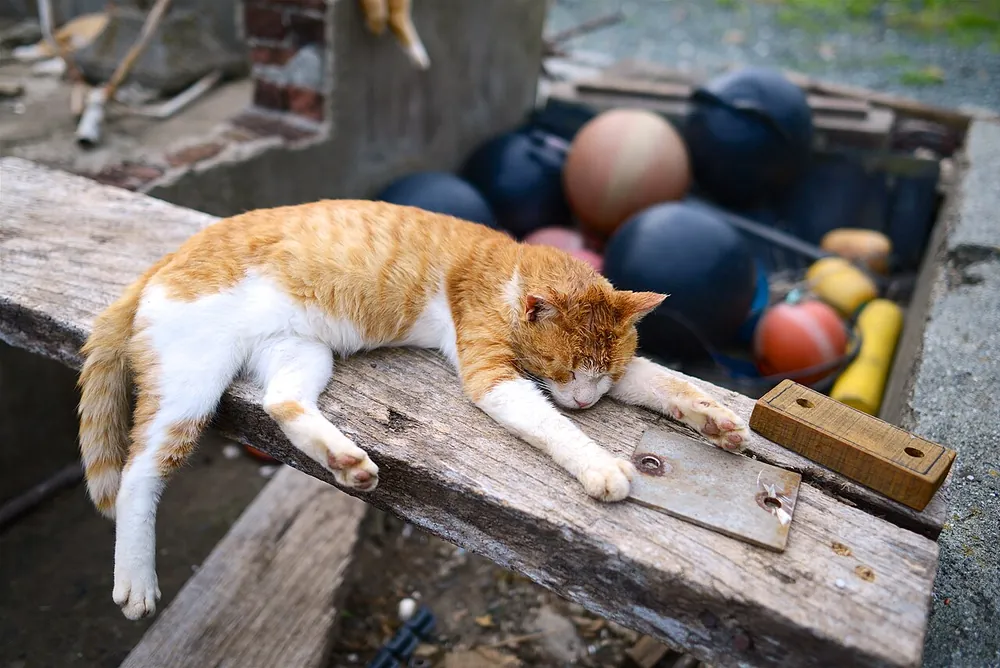
“Bicolours are deaf like white cats”
Normal white patches are not linked to deafness the way dominant white is. Only in cats with a great deal of white, especially on the head, and blue eyes, can the odd case occur.
“They have more attitude”
In the 2016 University of California, Davis survey, owners of some bicolours (black and white, grey and white) described slightly more aggression, but it is a small effect based on what owners report.
Fun facts
- Among breeds, the Ragdoll “bicolour” has a white “V” on the face and white legs, on a colourpoint.
- White always starts from underneath: there is no cat with a coloured belly and a white back.
- Bicolour cats often have a two-tone nose or paw pads.
Does it affect its health?
White patches do not cause disease. The pink skin of white areas, especially the ears and nose, burns more easily in the sun: in cats that sunbathe a lot, keep an eye out for scabs that do not heal.
Breeds where it appears or is typical
This coat turns up in plenty of moggies. These are breeds where it is common, characteristic or accepted; under each one, the colours the breed comes in.
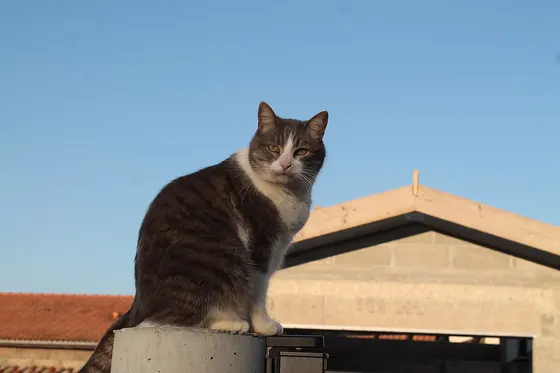 European Shorthair
Shorthair · Europe
Almost all: tabby, black, white, bicolour, tortoiseshell, red…; no colourpoint, chocolate or lilac in pedigree cats
European Shorthair
Shorthair · Europe
Almost all: tabby, black, white, bicolour, tortoiseshell, red…; no colourpoint, chocolate or lilac in pedigree cats
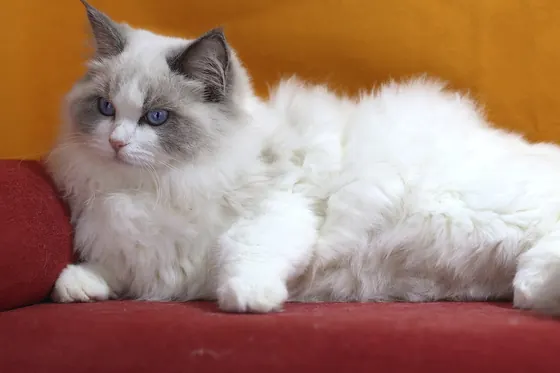 Ragdoll
Semi-longhair · United States
Colourpoint, mitted and bicolour, in seal, blue, chocolate, lilac, red, cream, tortie and lynx; blue eyes
Ragdoll
Semi-longhair · United States
Colourpoint, mitted and bicolour, in seal, blue, chocolate, lilac, red, cream, tortie and lynx; blue eyes
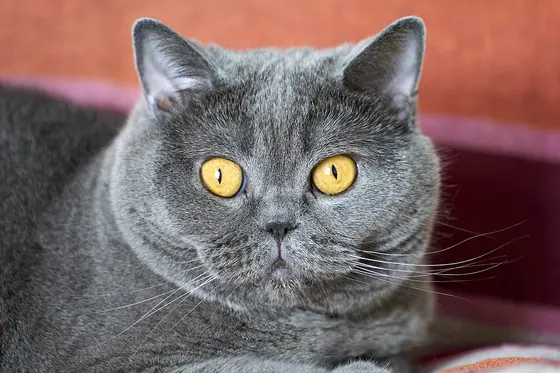 British Shorthair
Shorthair · United Kingdom
Blue (the classic), black, white, cream, lilac, chocolate, silver, golden, bicolours, colourpoint…
British Shorthair
Shorthair · United Kingdom
Blue (the classic), black, white, cream, lilac, chocolate, silver, golden, bicolours, colourpoint…
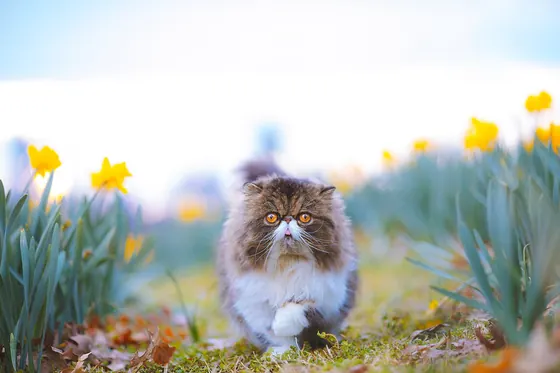 Persian
 · Iran / United Kingdom
Almost all: white, black, blue, cream, chinchilla, golden, bicolour, tortoiseshell…
Persian
Persian · Iran / United Kingdom
Almost all: white, black, blue, cream, chinchilla, golden, bicolour, tortoiseshell…
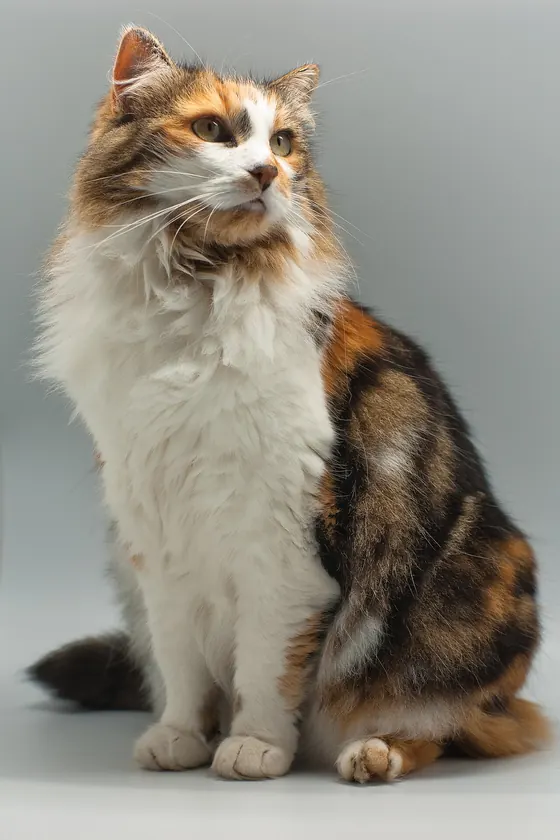 Norwegian Forest Cat
Forest · Norway
Almost all except colourpoint, chocolate, lilac, cinnamon and fawn; lots of white and tabby
Norwegian Forest Cat
Forest · Norway
Almost all except colourpoint, chocolate, lilac, cinnamon and fawn; lots of white and tabby
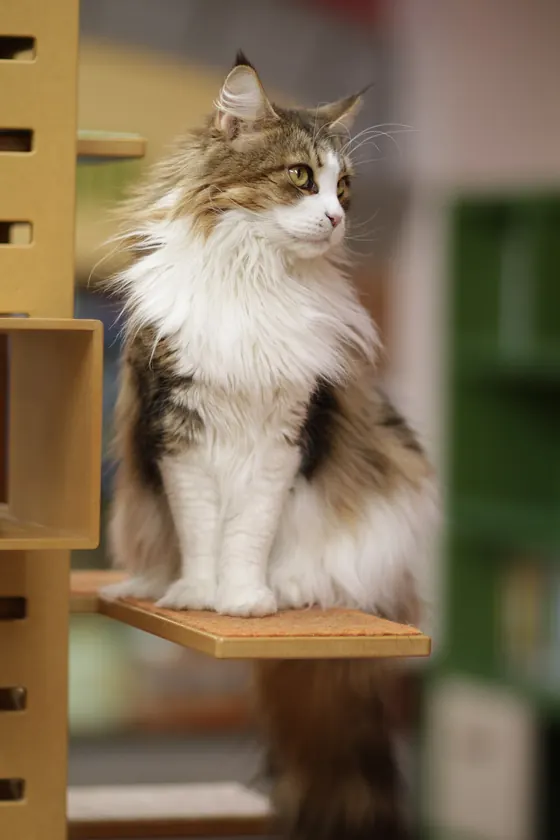 Maine Coon
Forest · United States
Almost all; the classic is brown tabby. No colourpoint in most registries
Maine Coon
Forest · United States
Almost all; the classic is brown tabby. No colourpoint in most registries
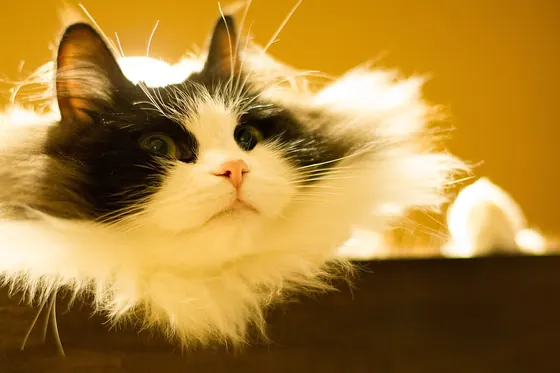 Ragamuffin
Semi-longhair · United States
Practically all, with or without white; eyes of any colour
Ragamuffin
Semi-longhair · United States
Practically all, with or without white; eyes of any colour
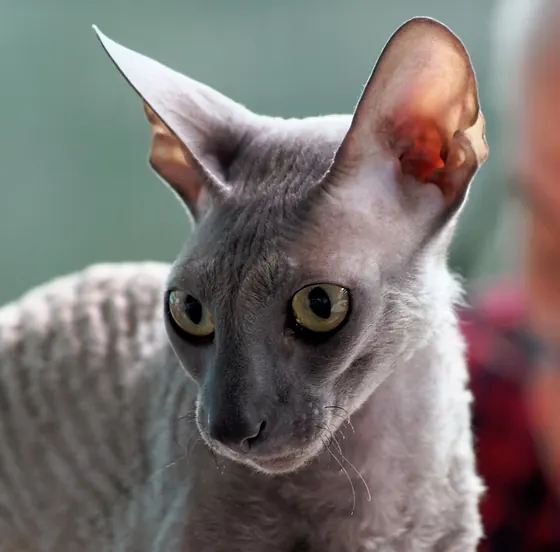 Cornish Rex
Rex & hairless · United Kingdom
All
Cornish Rex
Rex & hairless · United Kingdom
All
Frequently asked questions
What is a bicolour cat?
A cat of any colour with white areas. In pedigree breeds, a bicolour has between a third and a half of its body white.
Why do cats have white bellies and legs?
Because pigment cells start from the spine and migrate downwards during development. The white spotting gene slows them and they do not reach the furthest areas.
Are bicolour cats deaf?
Not as a rule. Deafness is linked mainly to all-white cats with blue eyes.
Educational content from Michipedia. The genetics of coat colour are simplified so they are easy to follow; colour tells you nothing about the personality of a particular cat.