
Persian
Also known as: Persian cat · Chinchilla Persian · Flat-faced Persian · Doll face Persian · Persian Longhair
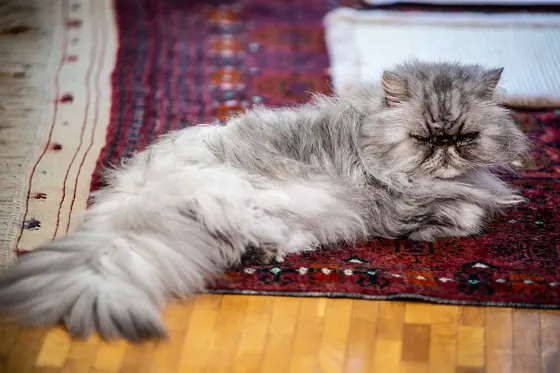
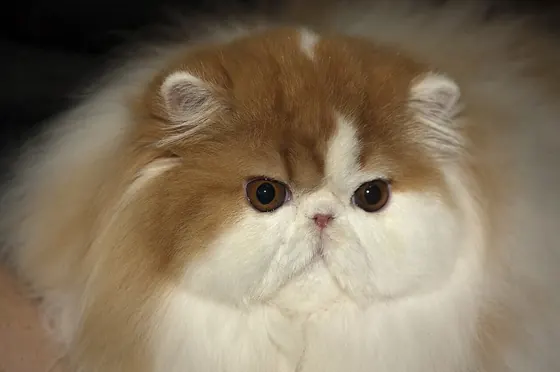
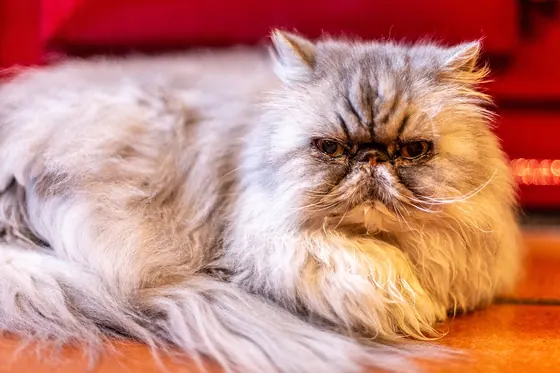
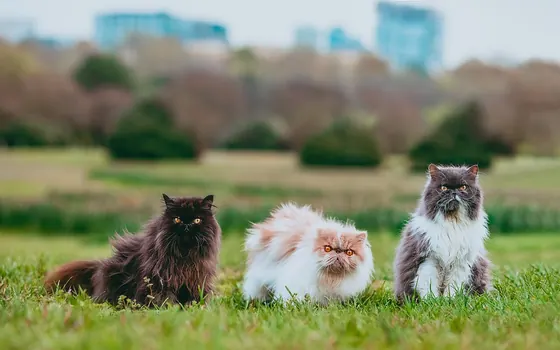
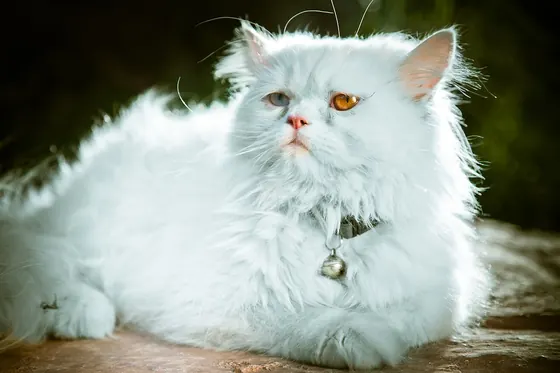
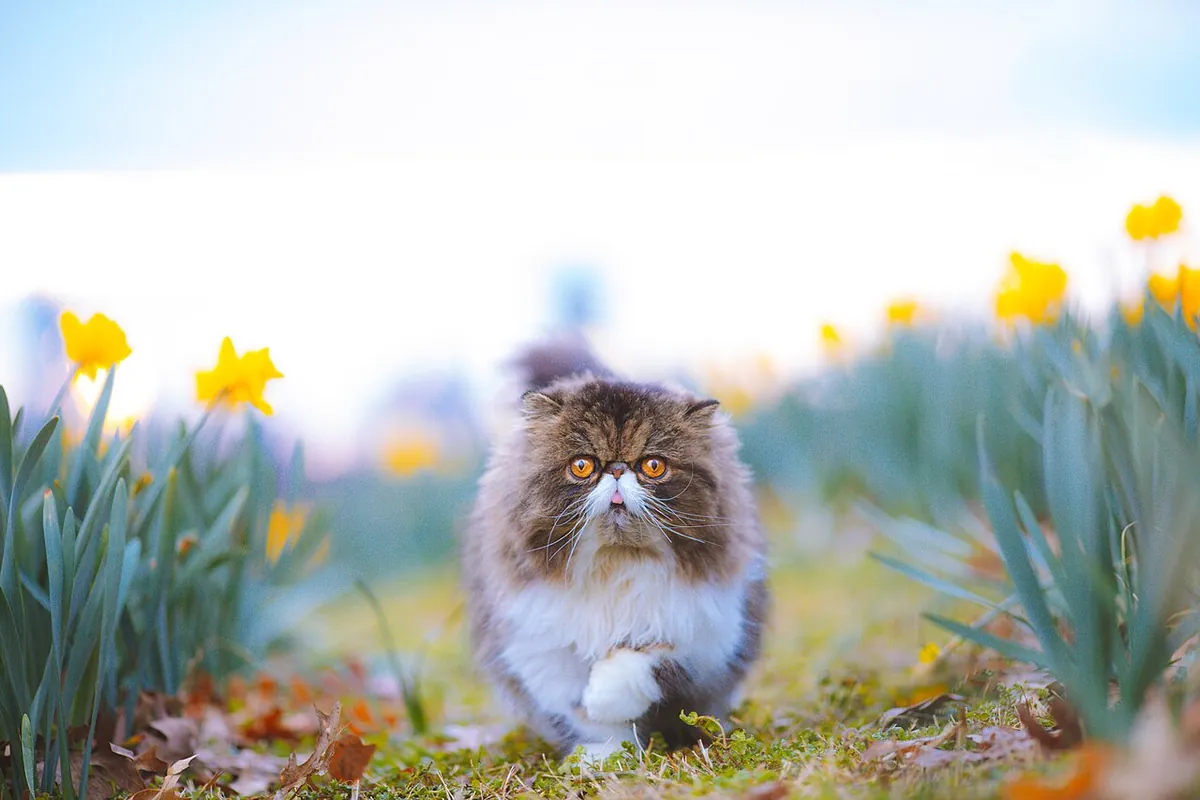
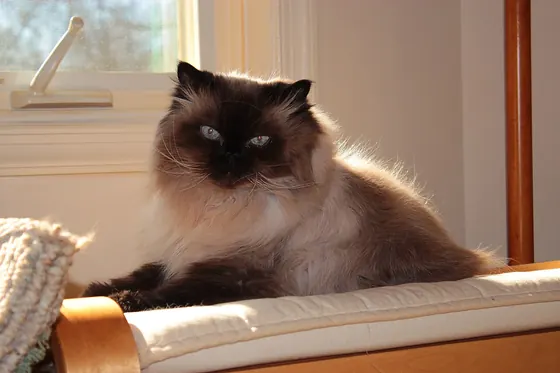
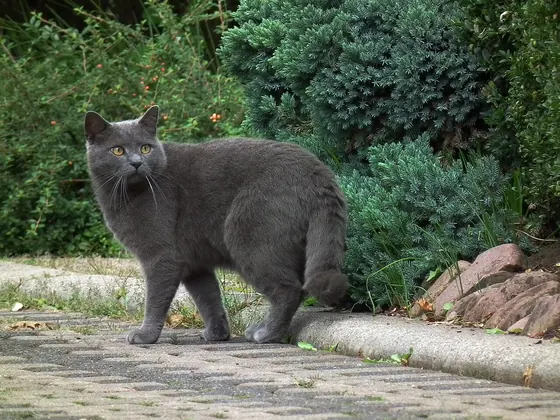
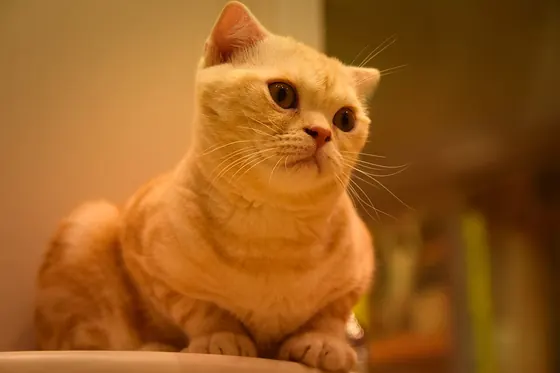
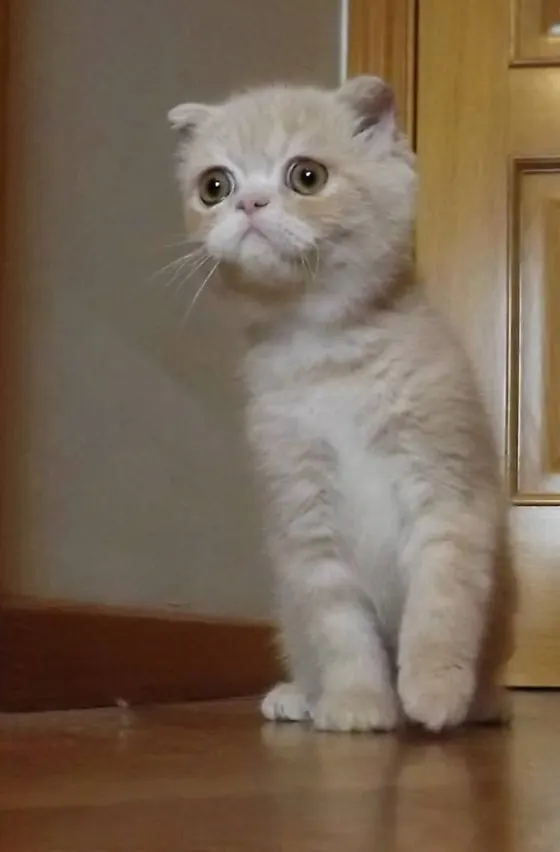
Photos: Reba Spike (CC BY 2.0) · Stéphane Gallay from Laconnex, Switzerland (CC BY 2.0) · Nickolas Titkov from Moscow, Russian Federation (CC BY-SA 2.0) · Pixoos (CC BY-SA 4.0), via Wikimedia Commons.
Breed profile
* An estimate for Spain in 2026 (food, litter, vet and insurance), based on the size, grooming and health needs of the breed, not on measured costs of individual cats.
Varieties
The Persian family: same type, different coat
What it is like
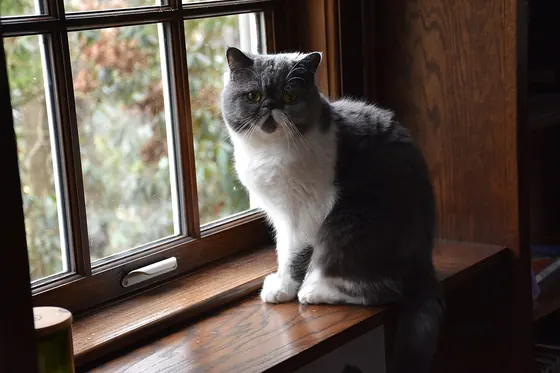
The first longhaired cats reached Europe from Persia and Turkey in the 17th century, and in Victorian England they became the star breed: they were already being shown at the Crystal Palace in 1871. During the 20th century, breeding for the show ring, especially in the US, gradually flattened its face into today's extreme type, with the nose level with the eyes. It needs saying plainly: that flat face is brachycephaly, and it brings breathing, tear, tooth and birthing problems. There are traditional-type Persians, with a bit more nose, that fare considerably better. In temperament it is placid, quiet and fond of routine, and prefers the sofa to the bookshelves.
Coat colours and patterns
Colours and patterns that are common or accepted in this breed. Each page explains where the colour comes from, the myths around it and other breeds that have it.
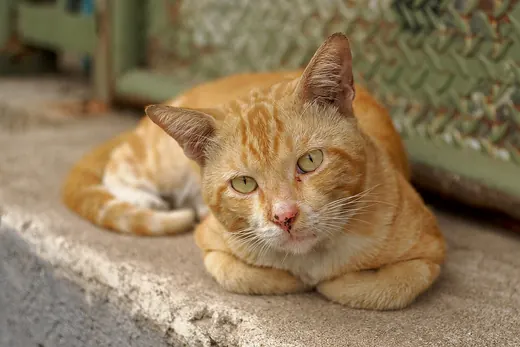 Ginger
Colour · Orange cat, Red cat
Ginger
Colour · Orange cat, Red cat
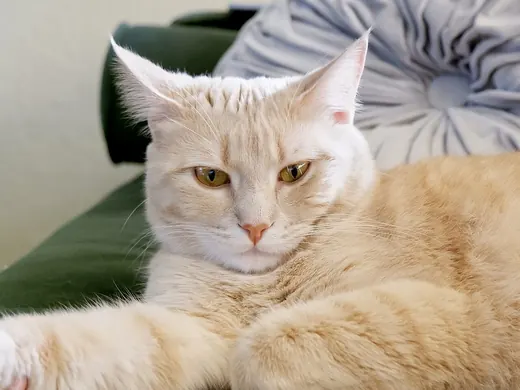 Cream
Colour · Cream cat, Beige cat
Cream
Colour · Cream cat, Beige cat
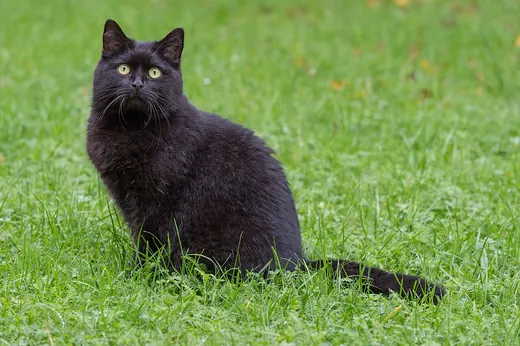 Black
Colour · Solid black cat, Black
Black
Colour · Solid black cat, Black
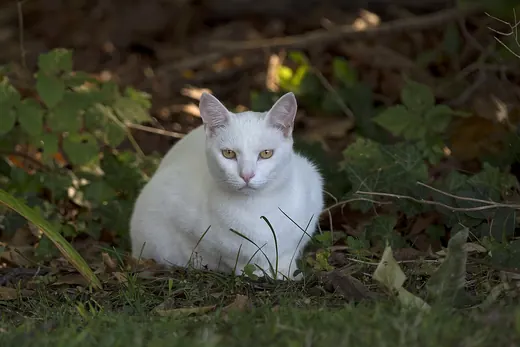 White
Colour · Solid white cat, White
White
Colour · Solid white cat, White
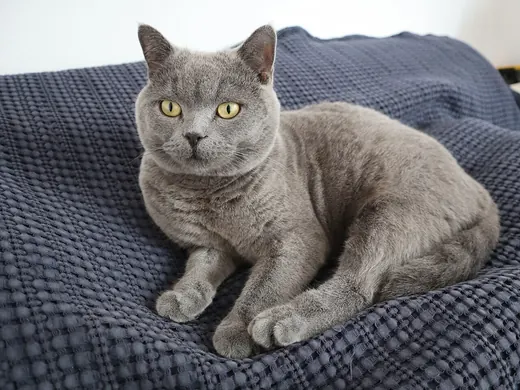 Grey or blue
Colour · Blue cat, Grey cat
Grey or blue
Colour · Blue cat, Grey cat
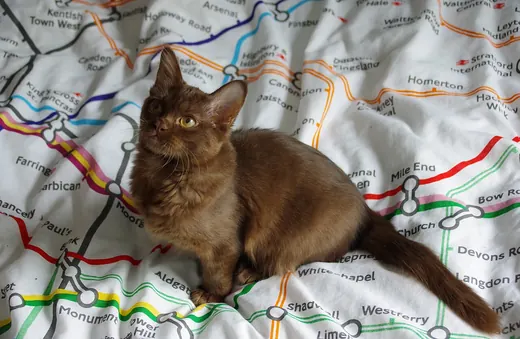 Chocolate
Colour · Brown cat, Havana
Chocolate
Colour · Brown cat, Havana
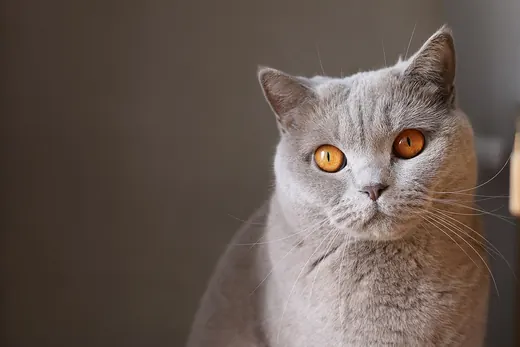 Lilac
Colour · Lavender, Lilac
Lilac
Colour · Lavender, Lilac
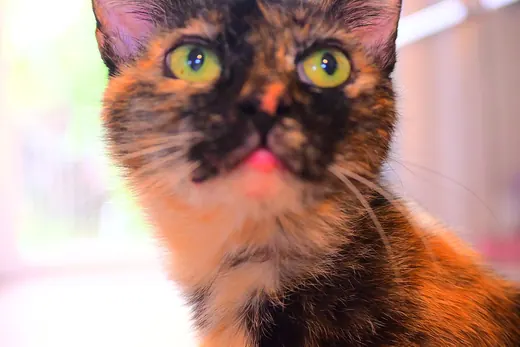 Tortoiseshell
Colour · Tortie, Tortoiseshell
Tortoiseshell
Colour · Tortie, Tortoiseshell
And also:
All cat coat colours and patterns →
Temperament
Care
Its coat is not optional: it needs daily combing with a metal comb so knots do not form, as they end up matted against the skin and have to be clipped. Many need a bath and blow-dry every 4–8 weeks, and daily cleaning of tears with a damp gauze pad to prevent dermatitis in the facial folds. Keep the rear end clean too. It is a real homebody: perfect for a flat, but without excessive heat, which it copes with very badly.
Health
Polycystic kidney disease (PKD, PKD1 gene, DNA test available: insist on it), hypertrophic cardiomyopathy, retinal atrophy in some lines and the problems of the brachycephalic type: narrow nostrils, epiphora (watery eyes), crowded teeth, corneal ulcers and difficult births. Choose cats with a visible nose and open nostrils.
Health problems to watch for
These are described more often in this breed. It does not mean a Persian will have them, nor that a moggy is free of them: they are worth knowing about and discussing with your vet.
Fun facts
Queen Victoria kept blue Persians, which set off the craze for the breed in England.
The Persian has played a part in creating the Exotic, the Himalayan, the Burmilla and today's British Shorthair.
The “doll face” type keeps the old profile, with a nose, and breathes better.
Before DNA testing became widespread, some studies found PKD in about a third of Persians.
Frequently asked questions
How big does a Persian get?
An adult Persian usually weighs 3.5–6.5 kg (8–14 lb) and stands about 25–30 cm (10–12 in) at the shoulder, which makes it a medium cat.
How long does a Persian live?
Its usual life expectancy is 12–15 years. Living indoors, being neutered and having regular vet check-ups make the biggest difference.
Is the Persian hypoallergenic?
No. It produces the usual cat allergens. If someone at home is allergic, spend time with the breed before deciding and talk to an allergist.
Is the Persian good with children?
It can be, with calm children who respect its space. As with any cat, teach children to let it walk away when it has had enough.
How much play does a Persian need?
As a guide, 10 min of play a day. Its activity score is 1 out of 5: short daily play sessions with a wand toy work better than one long one.
Similar breeds
All breeds A to Z Cost calculator (Spanish) Food portions (Spanish)