
Sokoke
Also known as: Sokoke cat · Sokoke forest cat · Khadzonzo · African Shorthair · Kenyan cat
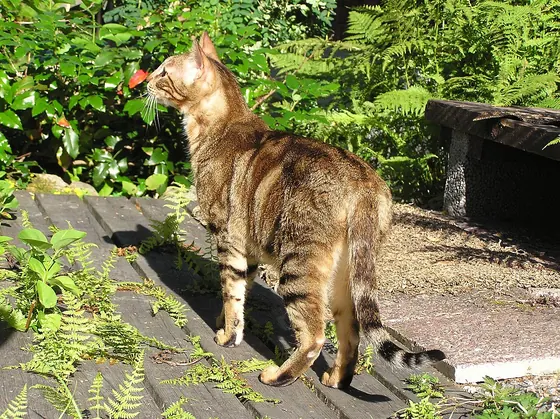
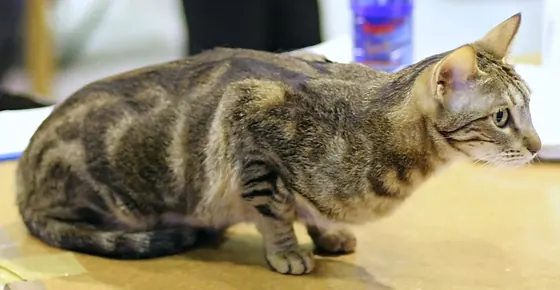
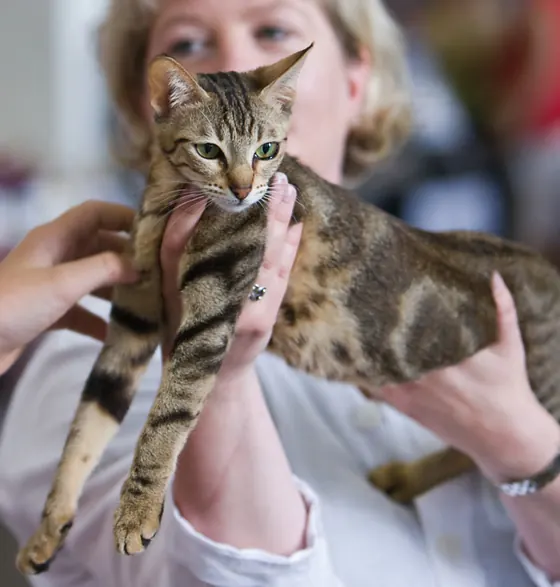
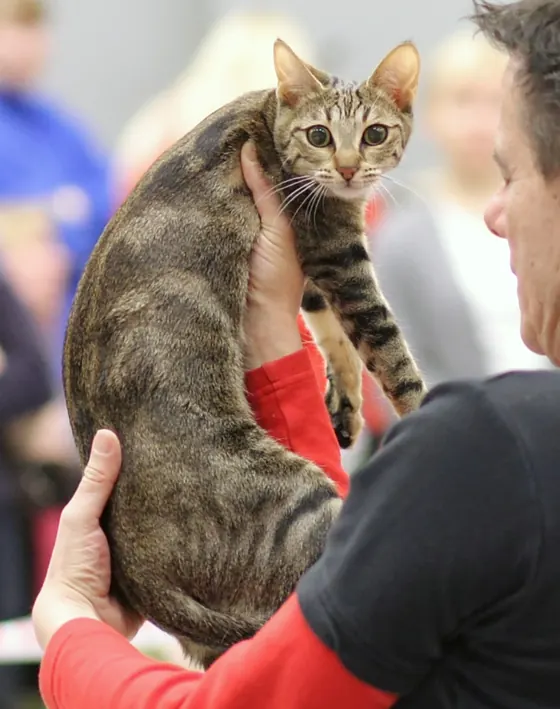
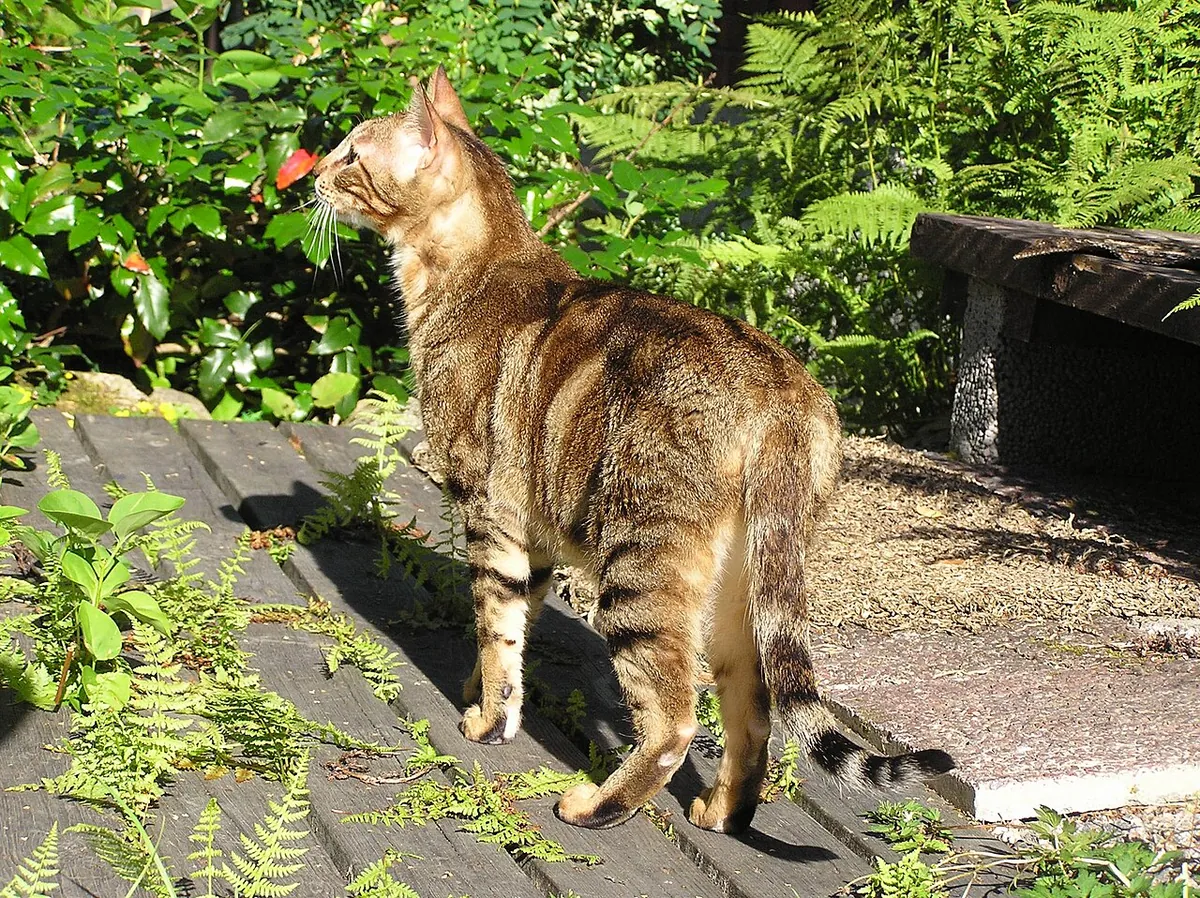
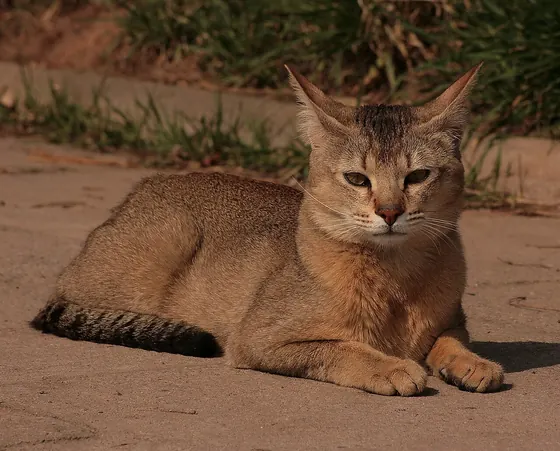
Photos: SHD (CC BY-SA 2.5) · Heikki Siltala (CC BY-SA 3.0) · Heikki Siltala https://catza.net/ (CC BY 3.0), via Wikimedia Commons.
Breed profile
* An estimate for Spain in 2026 (food, litter, vet and insurance), based on the size, grooming and health needs of the breed, not on measured costs of individual cats.
What it is like
It comes from the Arabuko-Sokoke forest on the coast of Kenya, where local people knew it as the khadzonzo. In 1978 the Briton Jeni Slater found a litter on her estate and began breeding them; in the 1980s the Dane Gloria Moeldrup took cats to Denmark and FIFe eventually recognised it. Genetic studies link it to the domestic cats of the Indian Ocean coast, not to wild cats. It is slim and long-legged, with taller hind legs that give it a tiptoeing gait. It is active, a climber, very agile and talkative, affectionate with its own people and independent. It is still a very rare breed outside Kenya and Denmark.
Coat colours and patterns
Colours and patterns that are common or accepted in this breed. Each page explains where the colour comes from, the myths around it and other breeds that have it.
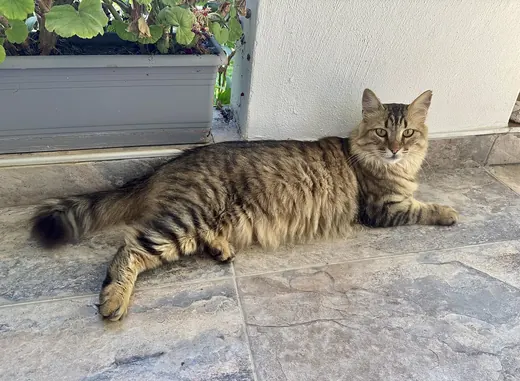
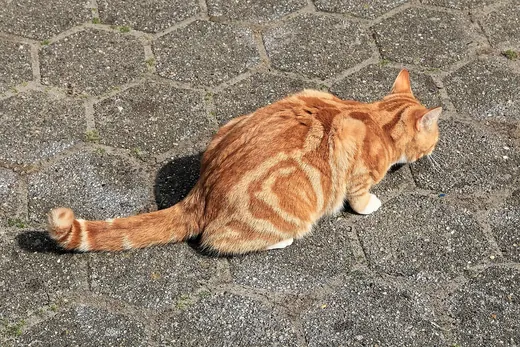
All cat coat colours and patterns →
Temperament
Care
The coat looks after itself: just run a hand or mitt over it. Having no undercoat, it does not cope well with cold and appreciates a warm bed. It needs vertical space and active play every day. It usually likes water. Because it is so scarce, in Spain it is almost only available as an import; ask the breeder for clear paperwork. It is a cat that watches and hunts: feather and wand toys are its favourites.
Health
It is one of the most robust breeds: no inherited diseases of its own have been described. The risk lies in its small population, which means inbreeding has to be watched. Routine check-ups, vaccinations and dental care. Like any very short-haired cat, protect it from the cold and watch its weight after neutering.
Fun facts
Its local name, khadzonzo, is usually translated as “like tree bark”, because of its pattern.
The Arabuko-Sokoke forest is one of the last coastal forests in East Africa.
Its hind legs are longer than its front legs, which is why it seems to walk on tiptoe.
There are estimated to be only a few hundred pedigree Sokokes in the world.
Frequently asked questions
How big does a Sokoke get?
An adult Sokoke usually weighs 3–4.5 kg (7–10 lb) and stands about 20–28 cm (8–11 in) at the shoulder, which makes it a small cat.
How long does a Sokoke live?
Its usual life expectancy is 12–15 years. Living indoors, being neutered and having regular vet check-ups make the biggest difference.
Is the Sokoke hypoallergenic?
No. It produces the usual cat allergens. If someone at home is allergic, spend time with the breed before deciding and talk to an allergist.
Is the Sokoke good with children?
Usually yes: it tends to be patient and sociable with children. As with any cat, teach children to let it walk away when it has had enough.
How much play does a Sokoke need?
As a guide, 45 min of play a day. Its activity score is 4 out of 5: short daily play sessions with a wand toy work better than one long one.
Similar breeds
All breeds A to Z Cost calculator (Spanish) Food portions (Spanish)