
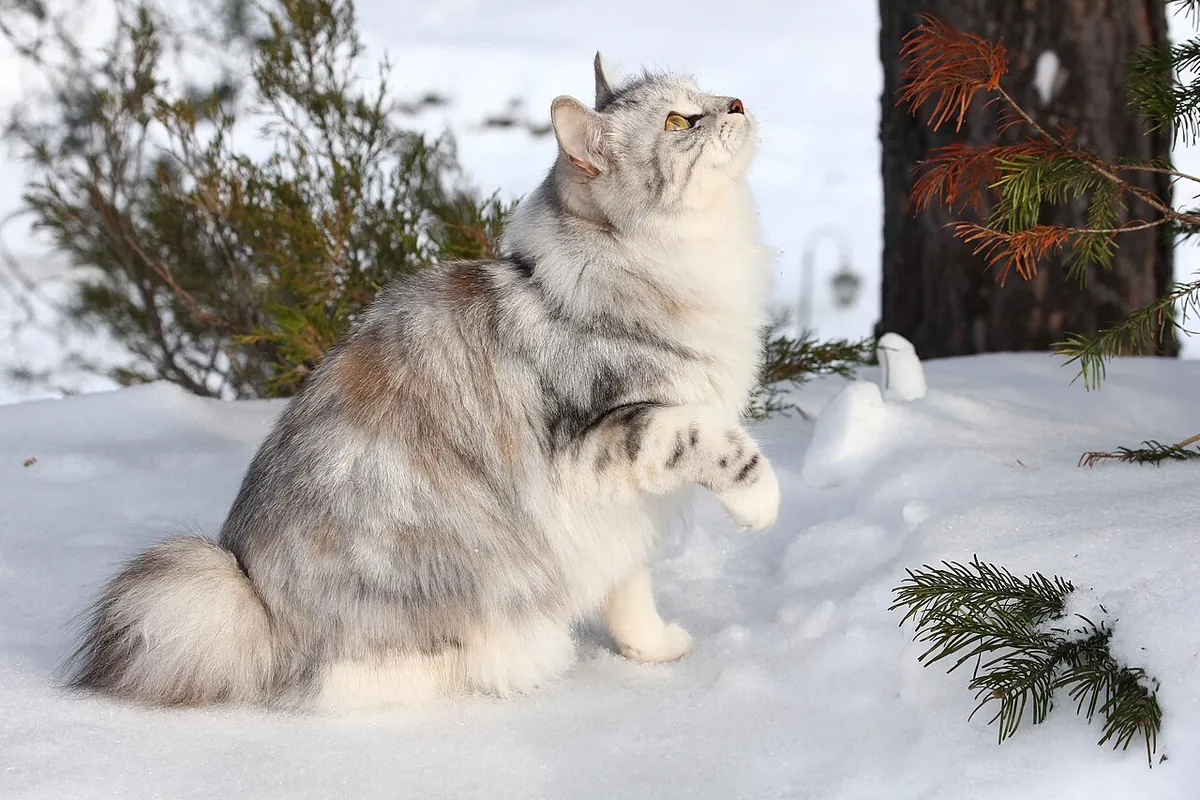
Kurilian Bobtail
Also known as: Kuril Islands Bobtail · Kuril Bobtail · Kurilian Bobtail cat · Kuril cat
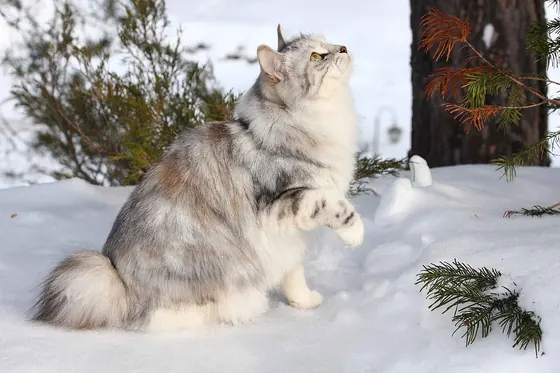
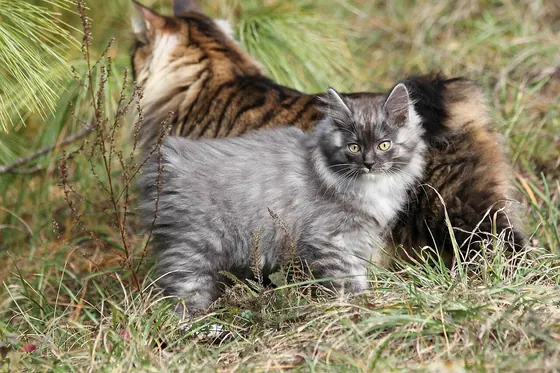
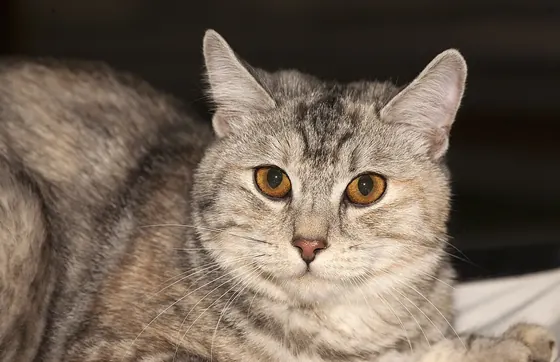
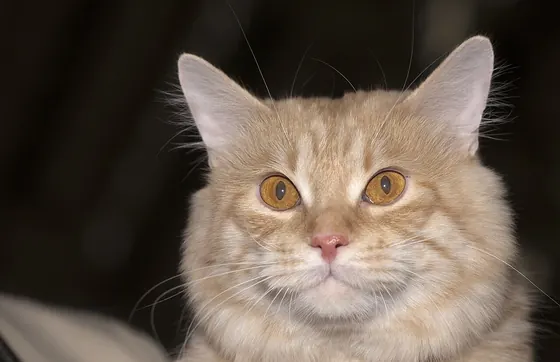
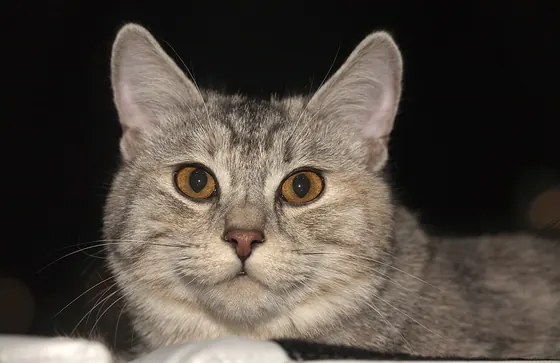
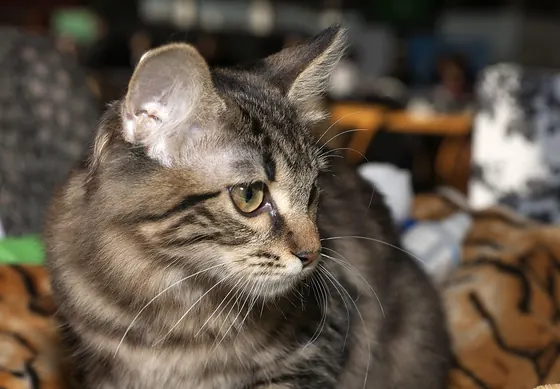
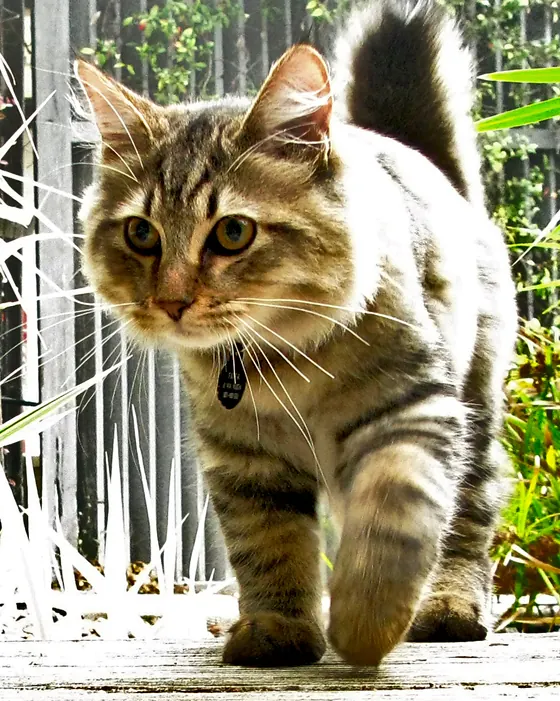
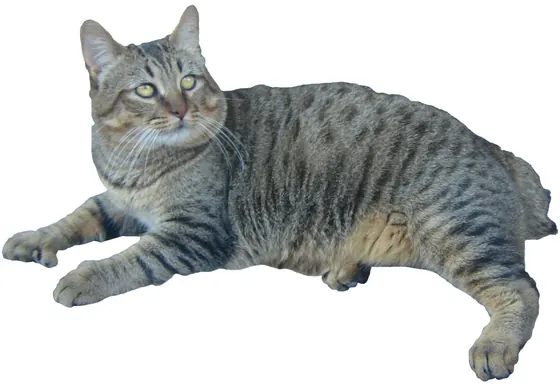
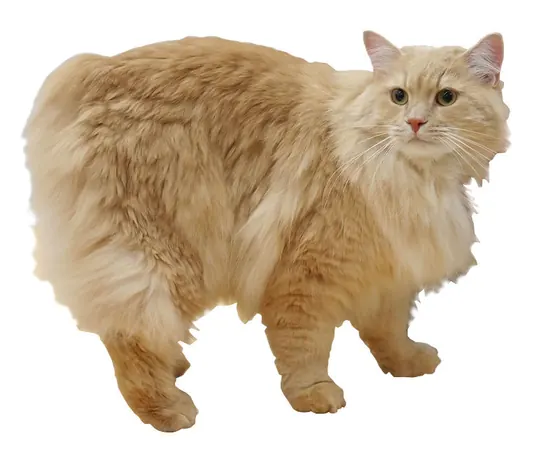
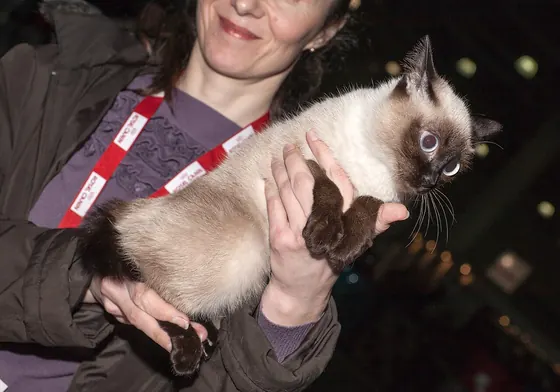
Photos: TRUE KURILIANS (CC BY-SA 4.0) · Nickolas Titkov from Moscow, Russian Federation (CC BY-SA 2.0), via Wikimedia Commons.
Breed profile
* An estimate for Spain in 2026 (food, litter, vet and insurance), based on the size, grooming and health needs of the breed, not on measured costs of individual cats.
Varieties
Two coat varieties
What it is like
It has lived naturally for centuries on the Kuril Islands and Sakhalin, between Russia and Japan, where short-tailed cats adapted to a harsh climate and to hunting in rivers. Russian breeders standardised it in the 1990s. It has a sturdy body, slightly longer hind legs and a short pom-pom tail of two to ten vertebrae, each one different. It is a natural and very healthy cat, independent, a great hunter and at the same time sociable and calm at home. It gets on well with children and dogs, and is not usually clingy.
Coat colours and patterns
Colours and patterns that are common or accepted in this breed. Each page explains where the colour comes from, the myths around it and other breeds that have it.
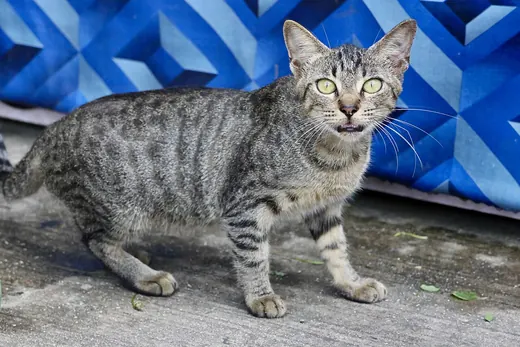
All cat coat colours and patterns →
Temperament
Care
Weekly brushing for the shorthair and a bit more for the semi-longhair, especially during the moult. It needs daily hunting play and room to climb. It adapts to flats, although it appreciates a spacious home. It is not afraid of water, so cover aquariums and fish tanks. It is a tolerant, undemanding cat that copes well with a few hours alone. Its tail is sensitive: do not handle it roughly.
Health
A natural, robust breed with no well-described inherited diseases of its own. Its short tail is not associated with spinal problems as in the Manx. Routine check-ups, vaccinations and dental care. Watch its weight after neutering: it is a sturdy cat and eats with gusto.
Fun facts
The Kuril Islands, where it comes from, are disputed between Russia and Japan.
It has a reputation for fishing in the islands' rivers, which is where its liking for water comes from.
Every tail is unique: it can be spiral-shaped, pom-pom-shaped or spring-shaped.
Its tail has between two and ten vertebrae, often kinked or fused, which is why no two are alike.
Frequently asked questions
How big does a Kurilian Bobtail get?
An adult Kurilian Bobtail usually weighs 3–7 kg (7–15 lb) and stands about 25–30 cm (10–12 in) at the shoulder, which makes it a large cat.
How long does a Kurilian Bobtail live?
Its usual life expectancy is 15–20 years. Living indoors, being neutered and having regular vet check-ups make the biggest difference.
Is the Kurilian Bobtail hypoallergenic?
No. It produces the usual cat allergens. If someone at home is allergic, spend time with the breed before deciding and talk to an allergist.
Is the Kurilian Bobtail good with children?
Usually yes: it tends to be patient and sociable with children. As with any cat, teach children to let it walk away when it has had enough.
How much play does a Kurilian Bobtail need?
As a guide, 30 min of play a day. Its activity score is 3 out of 5: short daily play sessions with a wand toy work better than one long one.
Similar breeds
All breeds A to Z Cost calculator (Spanish) Food portions (Spanish)