
Manx
Also known as: Manx cat · Isle of Man cat · Tailless cat · Rumpy · Stumpy
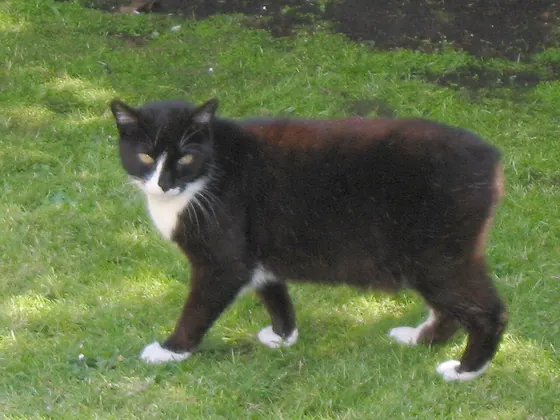
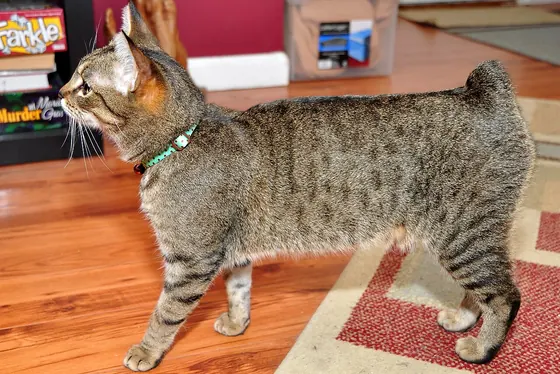
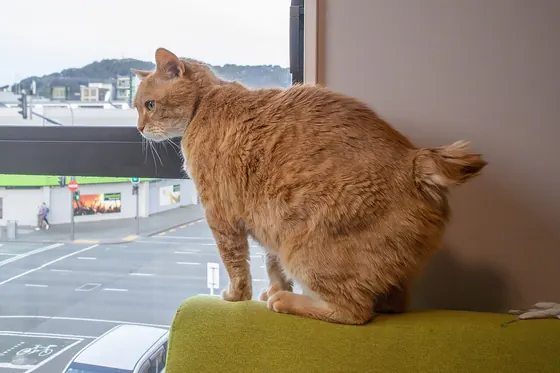
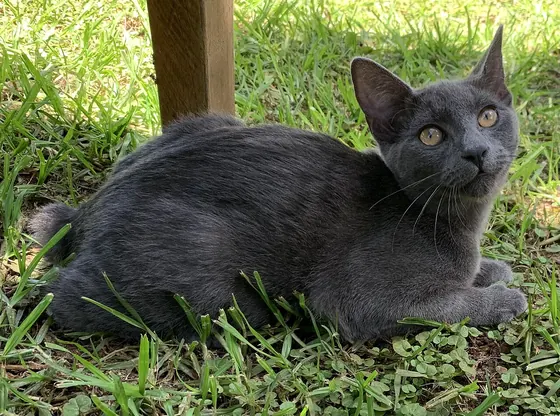
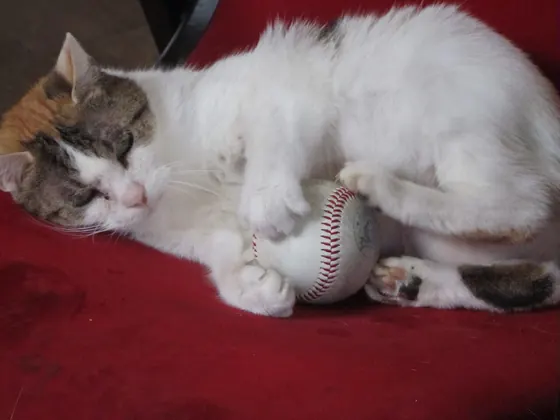
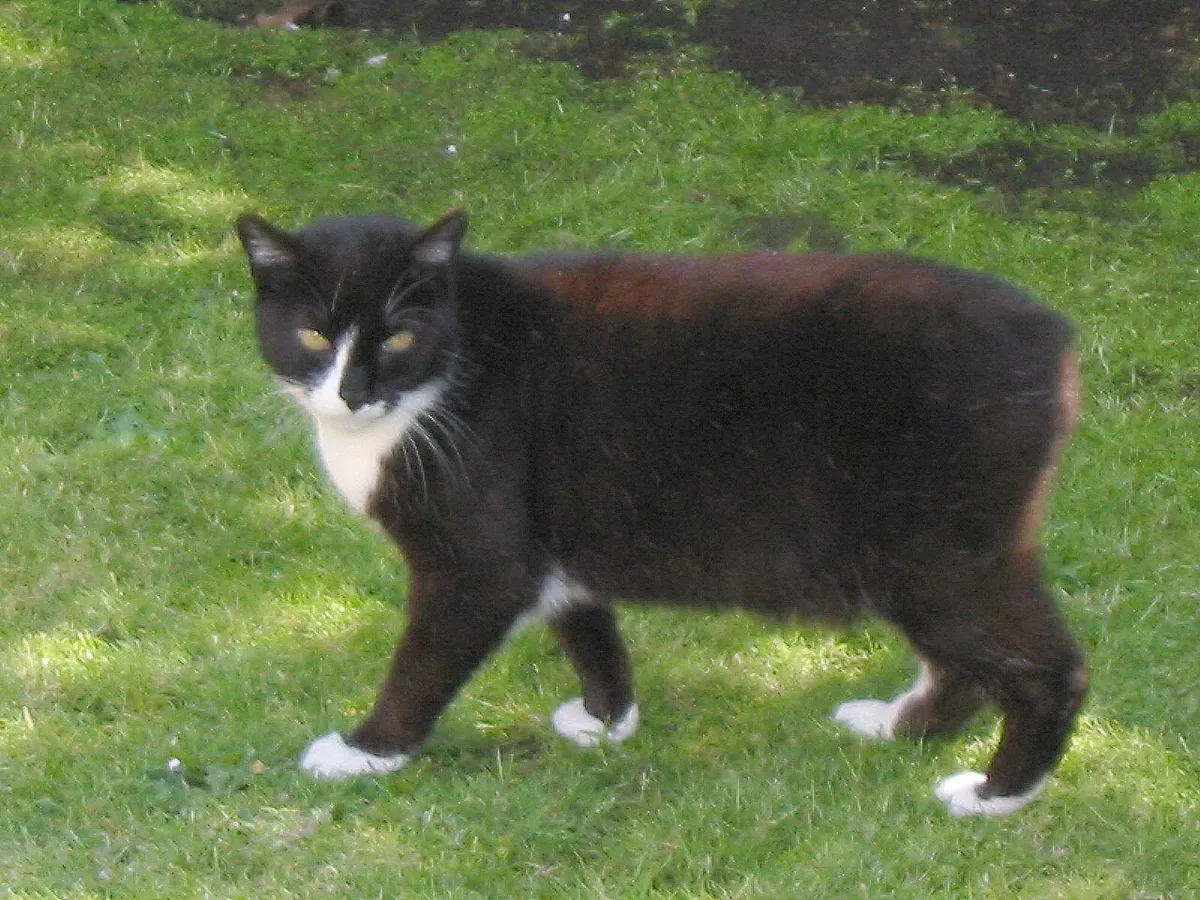
Photos: Dickelbers (CC BY-SA 3.0) · Michelle Weigold (CC BY-SA 4.0) · ThomasVenelli (CC BY 4.0) · TheEaterofCorn (CC BY-SA 4.0) · MoiraMoira (CC BY-SA 3.0), via Wikimedia Commons.
Breed profile
* An estimate for Spain in 2026 (food, litter, vet and insurance), based on the size, grooming and health needs of the breed, not on measured costs of individual cats.
Varieties
Manx tail types
What it is like
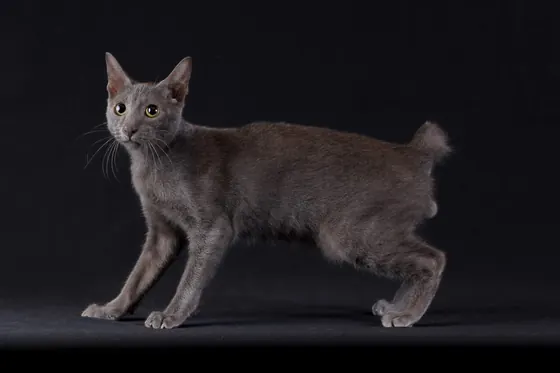
It is an old cat from the Isle of Man, between Great Britain and Ireland, where isolation fixed a dominant mutation of the TBXT gene that shortens or removes the tail. The same mutation can affect the spine and spinal cord. That is why Manx syndrome is not rare, and with two copies of the gene embryos die in the womb: it is always bred to tailed cats. It has a compact body, longer hind legs and a bouncy gait. It is calm, loyal, an excellent hunter and usually bonds closely with its family. It is a breed with an honest history, but buying a Manx means accepting its genetic risk.
Coat colours and patterns
Colours and patterns that are common or accepted in this breed. Each page explains where the colour comes from, the myths around it and other breeds that have it.
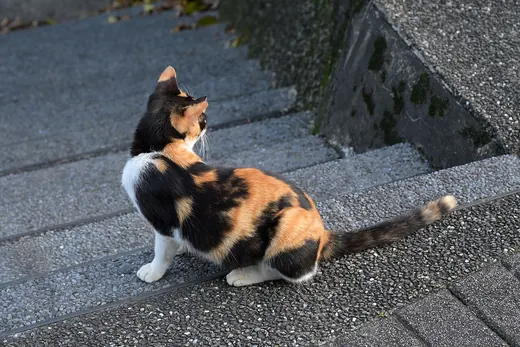
All cat coat colours and patterns →
Temperament
Care
Dense double coat: weekly brushing, daily during the moult. Hunting play and scratching posts. Watch for any sign of trouble in the first months: incontinence, constipation, an exaggerated bunny hop or weakness in the hind legs. Choose breeders who wait until kittens are at least four months old before selling them, when the syndrome has usually shown itself.
Health
Manx syndrome: spina bifida, fusion of the sacral vertebrae, urinary and faecal incontinence, chronic constipation and megacolon. It is more common in rumpies and usually shows before four months of age. Also arthritis at the base of the tail in stumpies, and corneal dystrophy in some lines.
Health problems to watch for
These are described more often in this breed. It does not mean a Manx will have them, nor that a moggy is free of them: they are worth knowing about and discussing with your vet.
Fun facts
A popular legend says Noah shut the door of the ark and cut off the tail of the cat that arrived last.
The Isle of Man has put this cat on coins and stamps.
Its short-tail mutation is in TBXT, the same gene that regulates tail development in other animals.
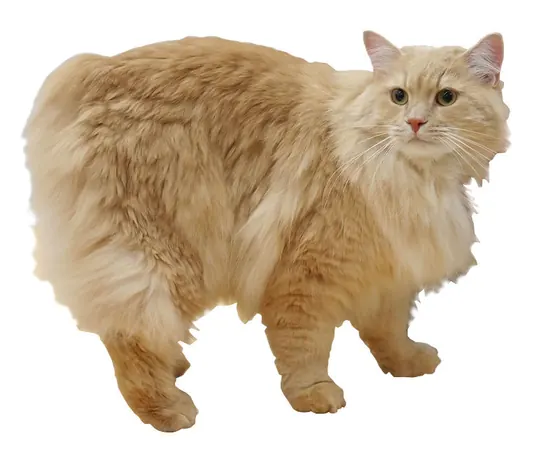
Its semi-longhaired version is the Cymric.
Frequently asked questions
How big does a Manx get?
An adult Manx usually weighs 3.5–5.5 kg (8–12 lb) and stands about 20–28 cm (8–11 in) at the shoulder, which makes it a medium cat.
How long does a Manx live?
Its usual life expectancy is 10–14 years. Living indoors, being neutered and having regular vet check-ups make the biggest difference.
Is the Manx hypoallergenic?
No. It produces the usual cat allergens. If someone at home is allergic, spend time with the breed before deciding and talk to an allergist.
Is the Manx good with children?
Usually yes: it tends to be patient and sociable with children. As with any cat, teach children to let it walk away when it has had enough.
How much play does a Manx need?
As a guide, 30 min of play a day. Its activity score is 3 out of 5: short daily play sessions with a wand toy work better than one long one.
Similar breeds
All breeds A to Z Cost calculator (Spanish) Food portions (Spanish)