
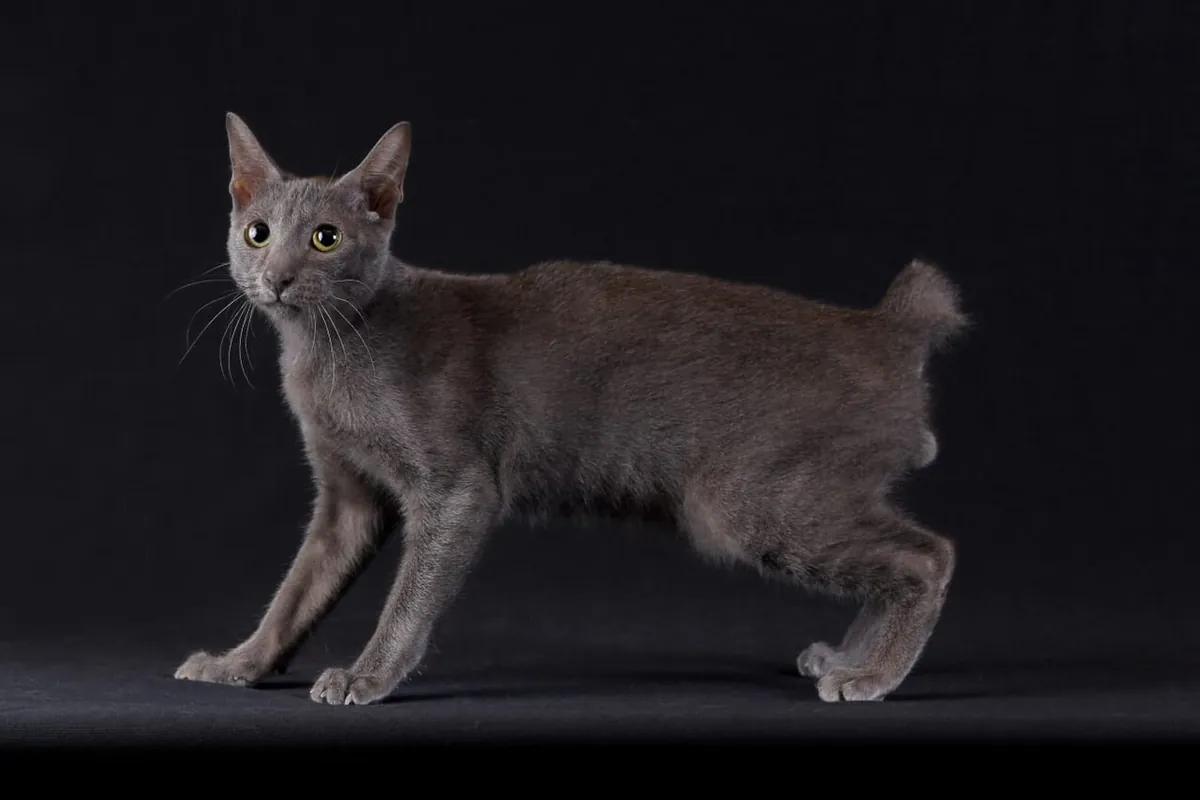
Raas
Also known as: Busok · Kucing Raas · Raas cat · Busok Raas · Madura cat
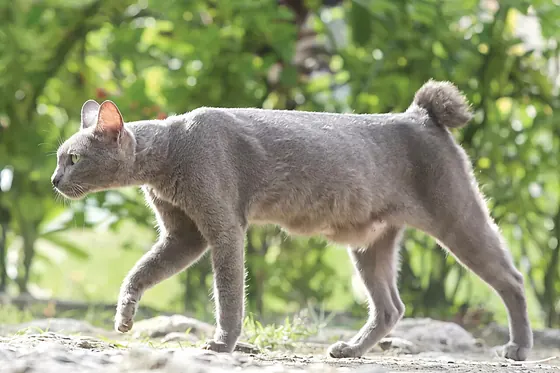
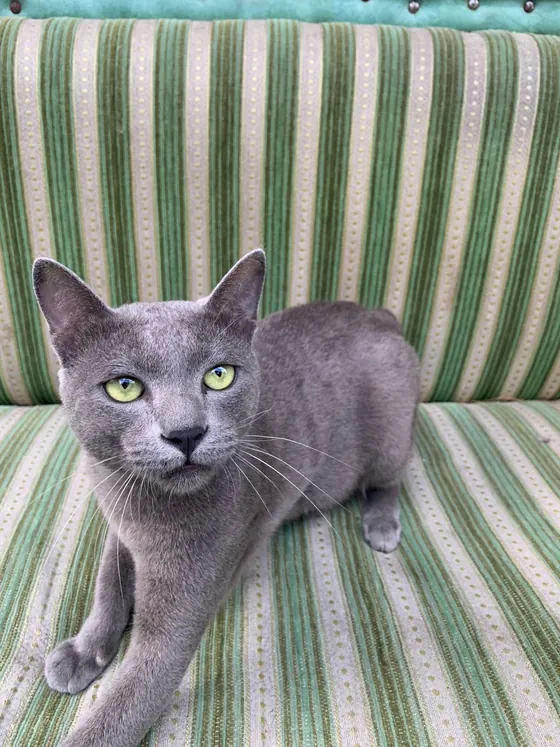
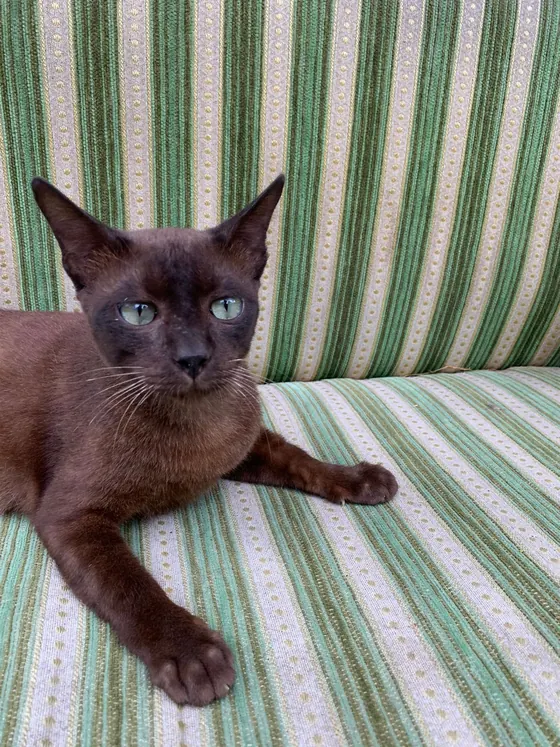
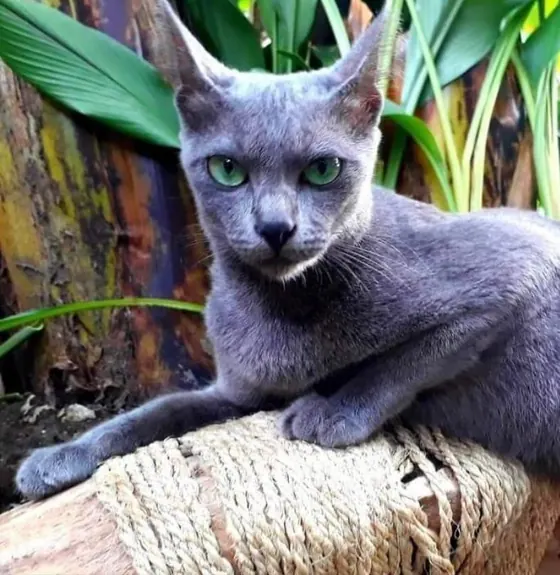
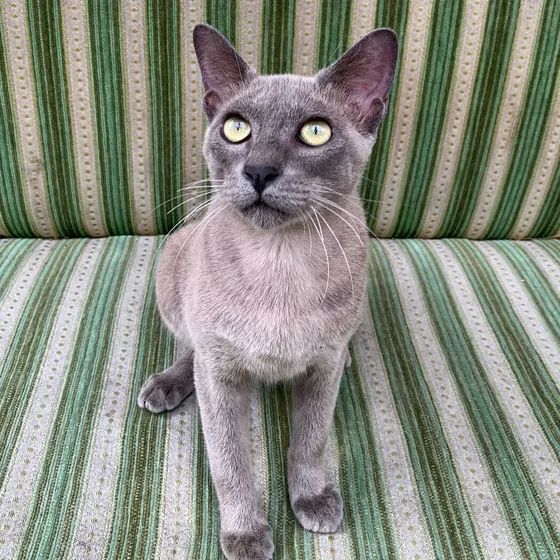
Photos: I Putu Aditya Perdana (CC BY-SA 4.0) · Arsha Fathan (CC0), via Wikimedia Commons.
Breed profile
* An estimate for Spain in 2026 (food, litter, vet and insurance), based on the size, grooming and health needs of the breed, not on measured costs of individual cats.
What it is like
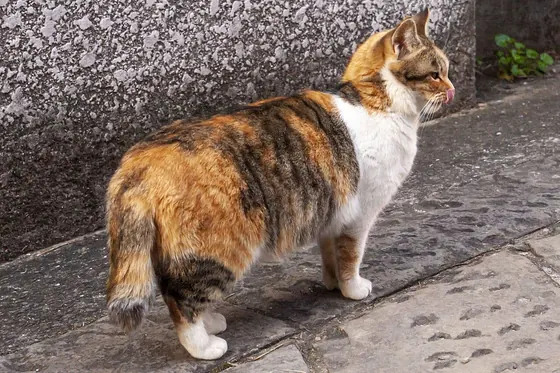
It comes from the island of Raas, east of Madura, in the Indonesian province of East Java, where isolation shaped a population of cats of its own over centuries. It was traditionally not sold: the kyai, local religious leaders, gave it as a gift to distinguished guests, so it was never a common cat. None of the large international registries recognises it; it has provisional status under the name Busok with the Feline Fanciers Federation of Hong Kong, and its breeding is overseen by a local association with six official catteries in Indonesia. It is medium-sized, muscular and triangular-headed, with a naturally very short tail, from absent to about 10 cm (4 in), often with a kink at the tip. Very active, with a deep, powerful voice, and very attached to its people.
Temperament
Care
Its coat is cared for with a weekly brush. It is a very active cat that needs daily play, places to climb and company. According to its breeders it is sensitive to cold and damp, so it appreciates a warm home and heated beds. Outside Indonesia it is practically impossible to find: be wary of anyone selling a “Raas” without paperwork from an official cattery.
Health
There are very few health data on the breed. In 2016 it was estimated that fewer than a hundred purebred cats remained, so inbreeding is a real risk. Very short or absent tails are due to altered vertebrae; in other tailless breeds, such as the Manx, they are associated with spinal problems, so the vet should check the kitten's back and gait.
Fun facts
On the island it is called busok, and the chocolate one, amethyst.
It was traditionally not sold: the kyai gave it to guests of honour.
In 2016 it was estimated that fewer than a hundred purebred cats remained.
The Sumenep electoral commission used a busok as the mascot for the 2024 local elections.
Frequently asked questions
How big does a Raas get?
An adult Raas usually weighs 3–5 kg (7–11 lb) and stands about 23–28 cm (9–11 in) at the shoulder, which makes it a medium cat.
How long does a Raas live?
Its usual life expectancy is 12–16 years. Living indoors, being neutered and having regular vet check-ups make the biggest difference.
Is the Raas hypoallergenic?
No. It produces the usual cat allergens. If someone at home is allergic, spend time with the breed before deciding and talk to an allergist.
Is the Raas good with children?
It can be, with calm children who respect its space. As with any cat, teach children to let it walk away when it has had enough.
How much play does a Raas need?
As a guide, 40 min of play a day. Its activity score is 5 out of 5: short daily play sessions with a wand toy work better than one long one.
Similar breeds
All breeds A to Z Cost calculator (Spanish) Food portions (Spanish)