
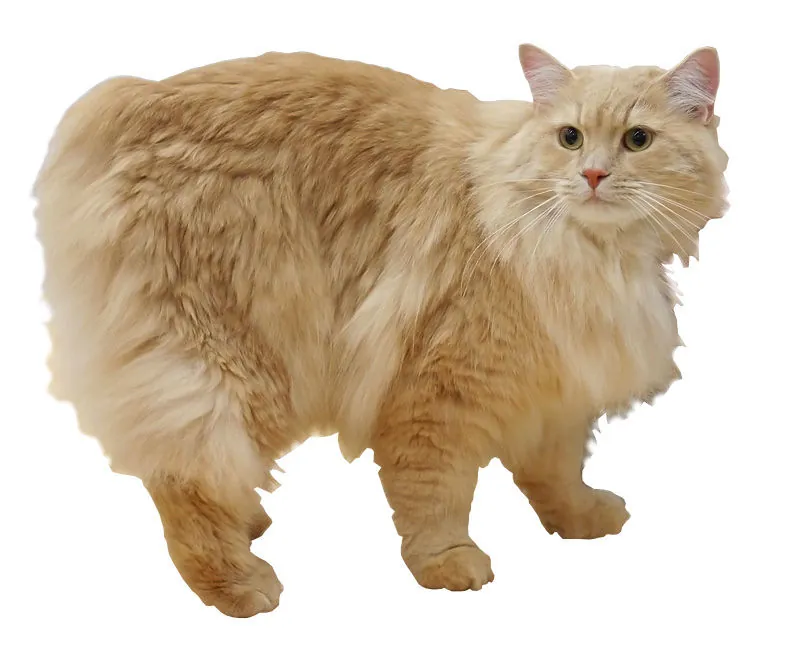
Cymric
Also known as: Longhaired Manx · Manx Longhair · Cymric cat · Tailless longhaired cat
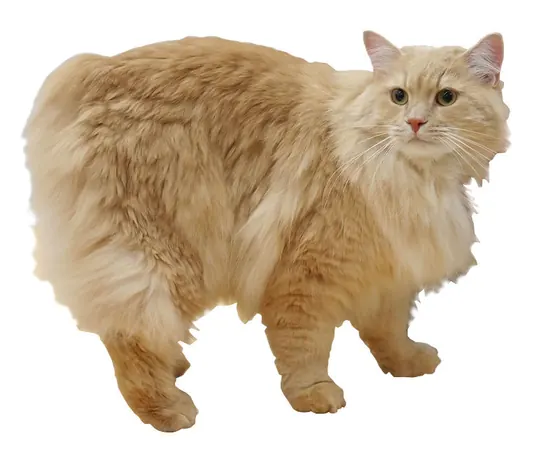
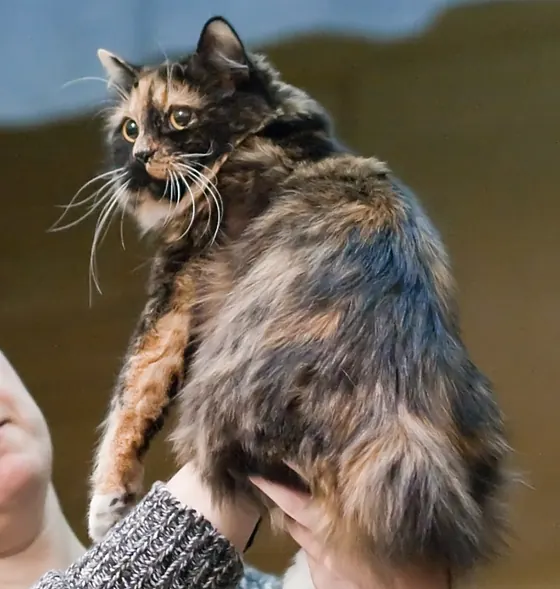
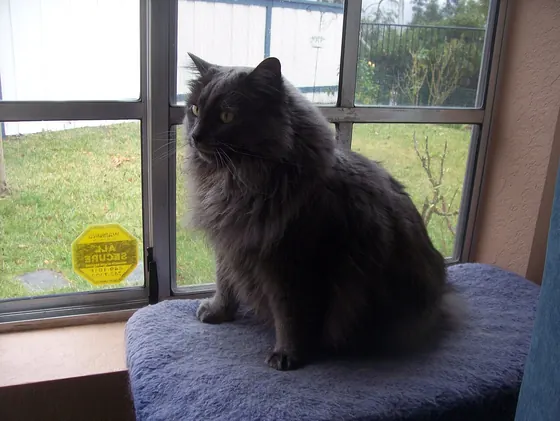
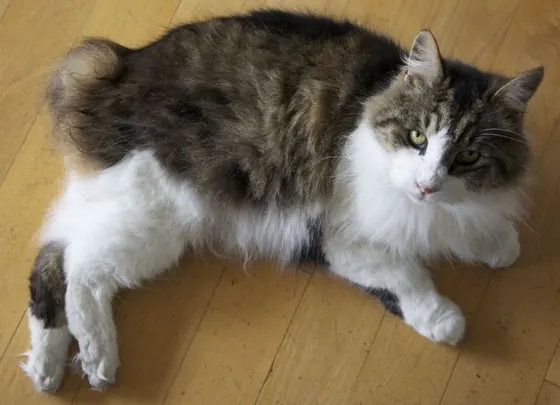
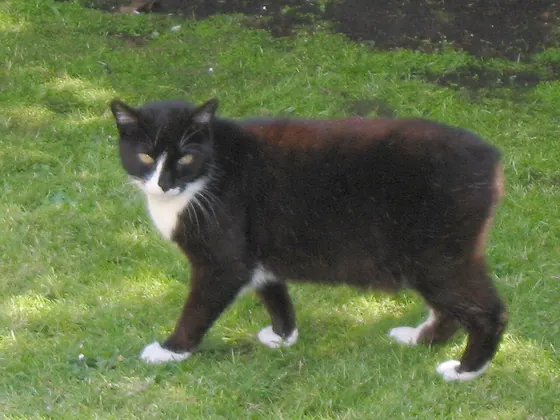
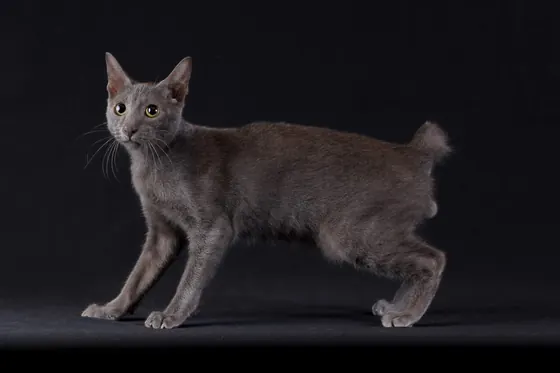
Photos: Desaix83, d'après le travail d'Heikki Siltala (CC BY 3.0) · Heikki Siltala (CC BY 3.0) · Robertlucien (CC BY 3.0) · Jumpinjim (CC BY-SA 3.0), via Wikimedia Commons.
Breed profile
* An estimate for Spain in 2026 (food, litter, vet and insurance), based on the size, grooming and health needs of the breed, not on measured costs of individual cats.
Varieties
Cymric tail types
What it is like
It is the semi-longhaired Manx. Longhaired kittens had always turned up in Manx litters, but they began to be bred as a variety in Canada and the United States in the 1960s and 1970s. Some registries treat it as a separate breed and others as a variety of the Manx. It shares everything good and everything delicate with it: a compact body, long hind legs, a calm and loyal temperament, and the same TBXT mutation, with the risk of Manx syndrome. Its double coat gives it a rounded look, like a small ball of fluff. It usually gets on very well with children, dogs and other cats.
Temperament
Care
Brushing two or three times a week, daily during the moult, paying attention to the rear end, which tangles and gets dirty easily. The same precautions as with the Manx: watch for incontinence, constipation or hind-leg weakness in the first months, and buy kittens of at least four months from breeders who are open about health.
Health
Manx syndrome (spina bifida, sacral fusion, incontinence, chronic constipation, megacolon), more common in rumpies. Arthritis at the base of the tail in stumpies, and hygiene problems around the bottom because of the long coat. Choose breeders who have the kittens' spines checked by a vet and hand them over at four months or older.
Health problems to watch for
These are described more often in this breed. It does not mean a Cymric will have them, nor that a moggy is free of them: they are worth knowing about and discussing with your vet.
Fun facts
Cymric comes from Cymru, the Welsh name for Wales, although the breed has no connection with Wales.
The American CFA includes it as the Manx Longhair rather than as a separate breed.
A single Cymric litter can include tailless, short-tailed and long-tailed kittens.
Like the Manx, it is an excellent jumper thanks to its long hind legs.
Frequently asked questions
How big does a Cymric get?
An adult Cymric usually weighs 3.5–5.5 kg (8–12 lb) and stands about 20–28 cm (8–11 in) at the shoulder, which makes it a medium cat.
How long does a Cymric live?
Its usual life expectancy is 10–14 years. Living indoors, being neutered and having regular vet check-ups make the biggest difference.
Is the Cymric hypoallergenic?
No. It produces the usual cat allergens. If someone at home is allergic, spend time with the breed before deciding and talk to an allergist.
Is the Cymric good with children?
Usually yes: it tends to be patient and sociable with children. As with any cat, teach children to let it walk away when it has had enough.
How much play does a Cymric need?
As a guide, 30 min of play a day. Its activity score is 3 out of 5: short daily play sessions with a wand toy work better than one long one.
Similar breeds

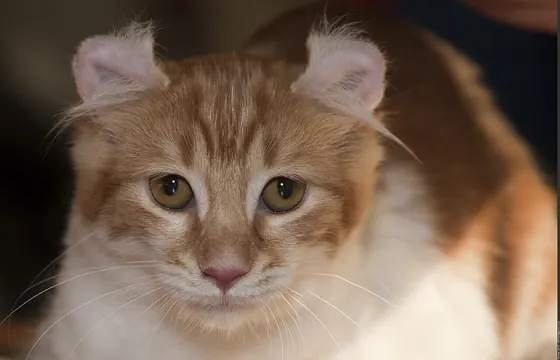
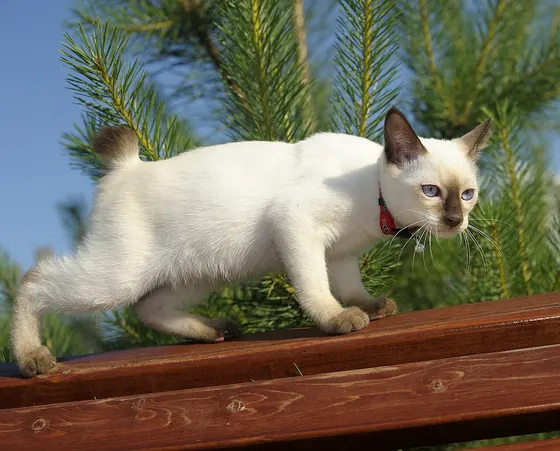

All breeds A to Z Cost calculator (Spanish) Food portions (Spanish)