
Where your cat comes from matters
A shelter, a street colony, a private home or a registered breeder. Each option has its warning signs, and in Spain selling cats in pet shops is now banned.
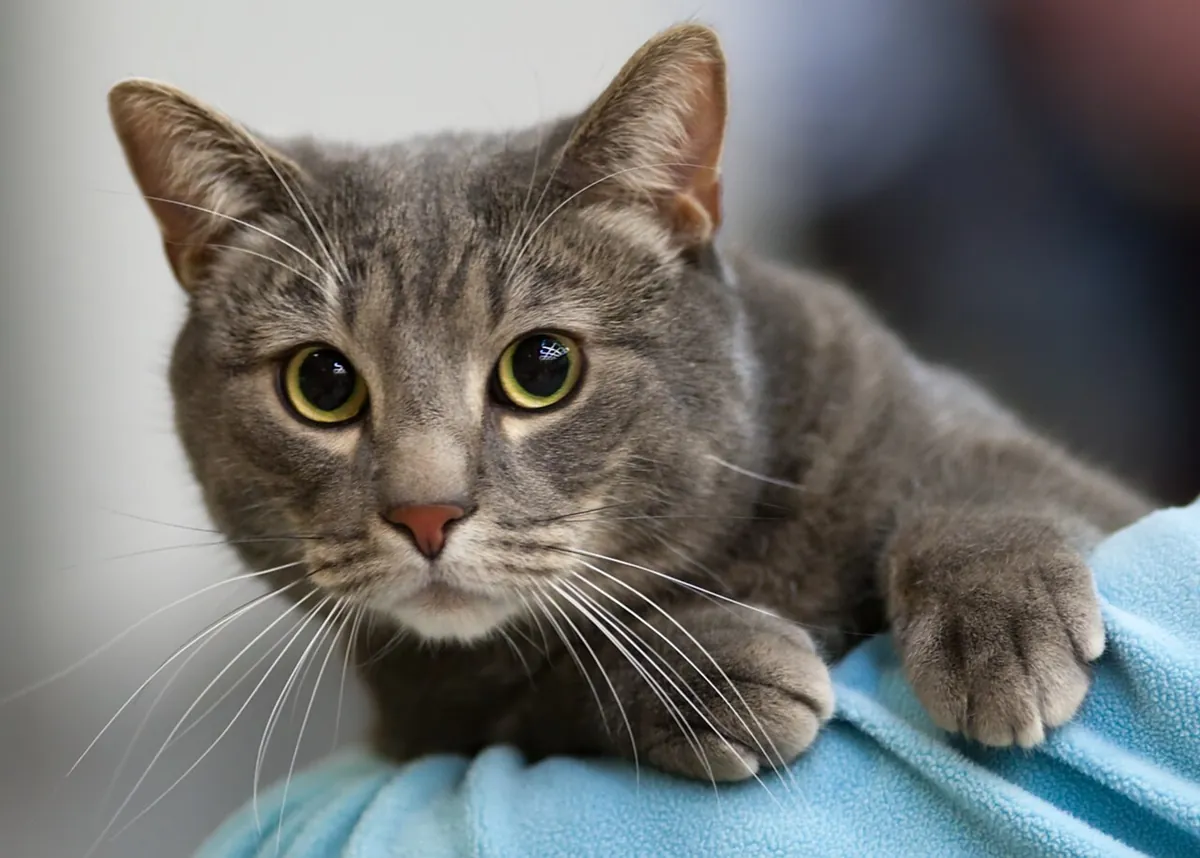
Adopting: the option with the most cats waiting
Shelters and the groups that manage feral colonies have cats of every age all year round, and in spring and summer, at the height of kitten season, they are overwhelmed with kittens. An adopted cat usually comes vaccinated, wormed, microchipped, tested for feline leukaemia and immunodeficiency virus and neutered, or with a commitment to have it done. On top of that, a foster home already knows whether it lives happily with other cats, dogs or children, whether it uses the litter tray properly and whether it is shy or outgoing. That information is worth far more than any breed profile.
A responsible breeder, if you want a breed
In Spain, since Law 7/2023, cats can only be sold by breeders on the official register, and selling them in pet shops is banned. Wherever you are, a good breeder works with one or two breeds, lets you see the mother and where the kittens live, which is their home and not a shed, and shows you the parents’ health tests without being asked: the genetic test for polycystic kidney disease in Persians and Exotics, heart scans in breeds prone to cardiomyopathy such as the Maine Coon or the Ragdoll, and blood typing where it matters. Kittens go home at 12 or 13 weeks, with a contract, a vaccination record or passport and a pedigree from a recognised cat registry.
The signs of a kitten farm
Be wary if you are offered kittens of several breeds at once, if you cannot see the mother or are asked to meet at a petrol station or a car park, if the kitten is under eight weeks old, if the price is very low for the breed or if the “papers” will follow later. Runny eyes, sneezing, a swollen belly or diarrhoea are typical of litters raised in poor conditions. Online classified sites are full of adverts like these. Feeling sorry for the kitten is understandable, but buying it pays for the next litter.
The kitten that turns up on the street
Lots of cats arrive without anyone looking for them: a kitten crying under a car or in a doorway. Before you pick it up, check whether the mother is nearby; sometimes she has only gone to eat and will be back. If it is alone, weak or in danger, take it to a vet to be checked for a microchip and to find out its age, because a kitten under four weeks needs bottle feeding with kitten milk every few hours, never cow’s milk. Let the local shelter or colony carers know too: they can help, or may know whose it is.
The paperwork you should get
Wherever it comes from, the cat should leave with its vaccination record or pet passport, vaccines and parasite treatments signed by a qualified vet, and a microchip registered in your name on the relevant database (in Spain, your region’s register). From a breeder, also ask for a written contract with the breeder’s details and registration number, and the pedigree. From a shelter, the adoption contract, including the commitment to neuter if it has not been done yet. If anything is missing or you are told it will be sent on later, do not take the cat.
Adopting is the option with the most cats waiting and the one that tells you most about personality. If you want a particular breed, only buy from a registered breeder who shows you the mother and the parents’ health tests.
Educational content from Michipedia. It does not replace the advice of a vet or a feline behaviour specialist. Every cat is an individual.