
How to care for an older cat: home, food and check-ups
Cats are living longer and longer, and today it is not unusual for them to pass fifteen or eighteen. That last stage can be one of the best of their life if a few things are adapted: some are medical, others as simple as lowering the side of the litter tray.
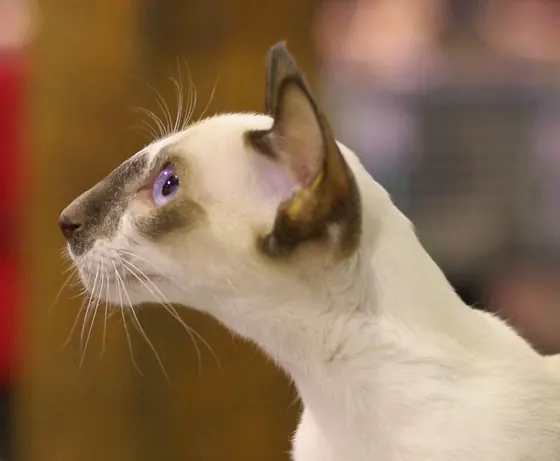
When a cat is a senior
The AAFP and AAHA life stage guidelines consider a cat a mature adult between seven and ten years old, and a senior from ten, although every cat ages at its own pace. A ten-year-old cat is roughly equivalent to a person in their mid to late fifties, and a fifteen-year-old to a person in their mid to late seventies. Michipedia's age tool lets you work out your cat's equivalent. What matters is not the exact figure, but that from seven onwards the typical diseases of older cats start to appear, and that many of them can be detected before they cause symptoms.
Check-ups: every six months from age ten
A year in the life of an older cat is a long time, and diseases progress quickly. That is why yearly check-ups are recommended from age seven and six-monthly check-ups from age ten. A good senior check-up includes weight and body and muscle condition, examination of the mouth, eyes, thyroid, heart and joints, blood pressure measurement, blood tests with kidney function, SDMA, glucose and thyroid hormone, and a urine test. This picks up kidney disease, hyperthyroidism, diabetes, high blood pressure and many dental problems in time. As a guide, a full senior check-up costs between 120 and 250 € in Spain in 2026.
Food: do not give them less
It is a common mistake to think an older cat needs to eat less. Up to about ten or eleven that may be true if they are putting on weight, but from twelve onwards many cats lose the ability to digest fats and proteins well and start to lose weight and muscle mass, even when eating the same amount. They need very digestible, tasty food with enough good-quality protein, and often more calories, not fewer. Senior cat foods are designed for this. If your cat has a disease such as kidney disease, the diet is set by the vet. Weigh them every month: slow, steady weight loss is one of the first signs of disease.
Water and more water
Older cats dehydrate easily, and poor hydration worsens kidney function and encourages constipation, which is very common at these ages. Include wet food in their diet, add a little water to their food, put several wide water bowls in places they can reach without climbing stairs, and try a fountain if they like one. Also watch whether they drink much more than before, because it is the first sign of several diseases. And if their faeces are hard and dry, or they go days without passing any, mention it to your vet.
An adapted litter tray
Many older cats have arthritis, even if they do not limp, and find it hard to step over a high side or get into a covered tray. If they start toileting outside it, check the litter tray before you think of a behaviour problem. Use a large one with a low side of a few centimetres (an inch or two), cut an entrance into a standard one, or use a low storage tray. Put litter trays on every floor of the home and near where they spend their time. Keep a fine, soft litter. And scoop it daily: besides hygiene, it is the best way to spot changes in the amount of urine or in their faeces.
An easier home
Older cats still love high places, but getting up there is harder. Add steps, ramps, stools or intermediate furniture so they can reach the sofa, the bed or their favourite window without jumping. Warm beds in draught-free spots help their joints; many appreciate a pet heat pad or a bed near a radiator. Put rugs on slippery floors. Keep routines and avoid sudden changes at home, because older cats get stressed more easily. And if there is a young cat, make sure the older one has quiet resting places where they will not be bothered.
Grooming, claws and mouth
With age and arthritis, many cats groom less, especially the back and hindquarters, and the fur becomes matted or dirty. Brush them gently and often: as well as helping them, it lets you notice lumps, thinness or sore areas. Older cats' claws become thicker and, because they use the scratching post less, they can grow so long that they curl round into the paw pad: check them and trim them every few weeks. And the mouth: almost every older cat has some dental problem. If you see tartar, bad breath or changes in eating, ask for a dental check.
Active play and an active brain
An older cat still needs stimulation, even if they play for less time and more gently. Short play sessions with a wand toy at ground level, simple interactive or puzzle feeders, a window with a view, horizontal scratchers and your company. Mental stimulation helps delay cognitive decline, which does exist in cats and shows as disorientation, changes in sleep, night-time yowling and forgetting the litter tray. If you notice these changes, tell your vet: medical causes such as high blood pressure or hyperthyroidism must be ruled out first, and there are measures that help.
Pain, the great forgotten problem
Chronic pain is probably the most underrated problem in older cats. Arthritis affects most elderly cats and almost never causes a limp: what you see is that they jump less, sleep more, groom less, are more irritable or use the litter tray less. Many owners put it down to age. But today there are effective, safe treatments for cats, including some given once a month, that transform their lives. Never give human painkillers: paracetamol is deadly to cats and ibuprofen damages their stomach and kidneys. If you suspect they are in pain, ask for an assessment.
From age seven, a yearly check-up with blood tests; from ten, every six months, with blood pressure. Do not cut their food without a reason: many older cats need more. A low-sided litter tray, ramps, accessible water, short claws and attention to pain, which almost always goes unnoticed.
Educational content from Michipedia, translated from the Spanish original. It does not replace the advice of a vet or a feline behaviour specialist. Every cat is an individual.