
How much does a pedigree cat cost in Spain? Guide prices by breed for 2026
In Spain in 2026, a pedigree cat from a registered breeder, with health tests on both parents, costs roughly 600 to 2,000 €, depending on the breed, the bloodline and whether it is sold as a pet or for breeding. Rare or highly sought-after breeds can cost more. Adopting from a rescue costs 50 to 150 €, and the cat comes vaccinated, microchipped and neutered.
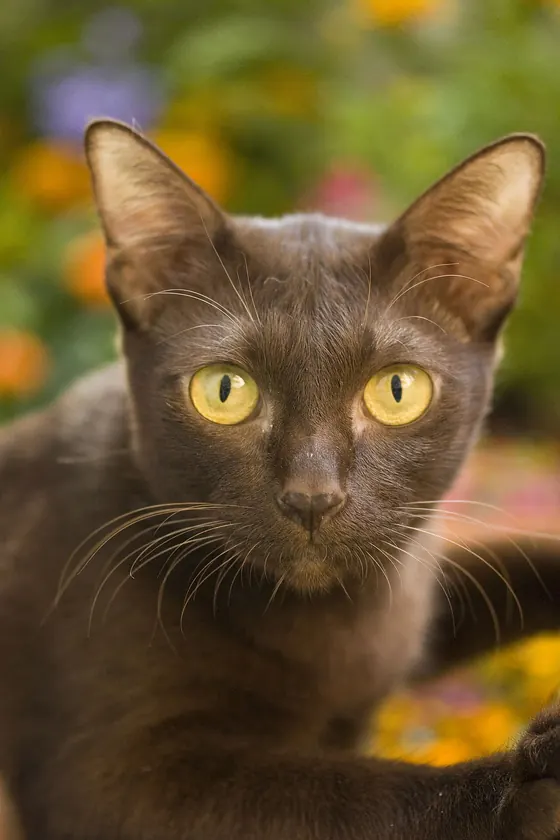
The overall price range
There is no official price list: each breeder sets their own, and prices vary with the breed, the region, the reputation of the bloodline, the colour and whether the cat is sold as a pet, with a neutering contract, or with breeding rights, which always costs considerably more. As a guide, in Spain a pedigree kitten from a registered breeder, with its vaccinations, microchip, worming and genetic or health tests on the parents, costs somewhere between about 600 and 2,000 €. The figures given here are approximate, based on what is typical in the Spanish market, and you should always compare several breeders before deciding.
Guide prices by breed
Always as a range, and for a pet-quality kitten: British Shorthair and Scottish Straight, 800 to 1,800 €; Maine Coon, 1,000 to 2,500 €, depending on the bloodline and expected size; Ragdoll, 900 to 2,000 €; Norwegian Forest Cat and Siberian, 800 to 2,000 €; Persian and Exotic, 700 to 1,800 €; Siamese and Oriental, 600 to 1,300 €; Sphynx, 1,200 to 2,500 €; Bengal, 1,000 to 2,500 €; Devon Rex and Cornish Rex, 900 to 1,800 €; Russian Blue and Chartreux, 900 to 2,000 €. Breeds that are rare in Spain, with few breeders, tend to sit at the top of the range or above it.
The extremes: hybrids and fashionable breeds
Some cases fall outside this table. The Savannah, a cross between a domestic cat and a serval, is one of the most expensive breeds: later generations, further removed from the serval, can cost several thousand euros and early generations far more, and they also have very particular needs in terms of space and care; before considering one, check the rules in your region of Spain. Breeds that are trending on social media also see prices soar for a while, and that attracts unscrupulous breeders. A breed being fashionable doesn’t make it any better suited to your home: choose on temperament, needs and health, not on a photo.
What that price should include
A kitten from a reputable breeder is not handed over before 12 or 13 weeks of age, and leaves with its first vaccinations, worming, a microchip registered in your name, a vaccination record or pet passport, a sales contract and a pedigree from a recognised cat association. It should also come with the health tests recommended for its breed carried out on the parents: for example, a heart scan for hypertrophic cardiomyopathy in the Maine Coon, Ragdoll or Sphynx, or a genetic test for polycystic kidney disease in the Persian and Exotic. A good breeder lets you meet the mother, asks about your home and offers support for the whole of the cat’s life.
The cheap pedigree cat: a trap
A so-called pedigree cat for 200 € or 300 € on a classified ads site, with no pedigree, no núcleo zoológico number (the official registration for animal establishments in Spain), handed over at eight weeks and with no chance to see the mother, is almost never a bargain. It usually comes from uncontrolled breeding, with no health tests on the parents, sometimes carrying infectious diseases or parasites, and taken from its mother too early, which makes behaviour problems more likely. There are also online scams using copied photos and upfront payments for cats that don’t exist. What you save at the start you may pay back later, many times over, at the vet. Above all, you are funding uncontrolled breeding.
Breeds with health problems linked to their looks
Before paying for a particular breed, it is worth knowing whether its looks come at a cost to its health. The Scottish Fold owes its folded ears to a mutation that affects cartilage throughout the body and causes a painful joint disease, osteochondrodysplasia, in every fold-eared cat to a greater or lesser degree. Very flat-faced Persians and Exotics have more breathing, eye and dental problems. The short-legged Munchkin and the tailless Manx also have problems associated with their mutations. Paying more for a breed doesn’t guarantee a healthier cat, and in some breeds it means quite the opposite.
The cost doesn’t end when you pay
The purchase price is only the beginning. In Spain, a cat costs around 600 to 1,200 € a year in food, litter, routine vet care and accessories, and some breeds add costs of their own: daily brushing and sometimes professional grooming for the Persian, frequent baths for the Sphynx, the larger amount of food a Maine Coon gets through or the heart checks for breeds predisposed to cardiomyopathy. Pet insurance can cost a little more for breeds with known hereditary diseases. Before deciding, work out the full cost for the next fifteen years, which is how long your cat will live.
Adopting: pedigree cats need homes too
Every year thousands of cats wait for a family in Spanish rescue shelters, and for an adoption fee of 50 to 150 € they leave microchipped, vaccinated, wormed, tested for feline leukaemia and feline immunodeficiency virus and, if they are old enough, neutered. Paying for all of that yourself would cost more than twice as much. There are also pedigree cats, or cats with a lot of pedigree in them, at general rescues, especially Persians, Siamese, British Shorthairs and Maine Coons, as well as associations dedicated to rescuing specific breeds. Many are adults whose personality is already known, something you can never be sure of with a kitten. If what you want is a good companion rather than a pedigree, adoption is the best option.
In Spain in 2026, a pet-quality pedigree kitten from a registered breeder costs roughly 600 to 2,000 €, more for rare or fashionable breeds and hybrids such as the Savannah. It should come at 12 or 13 weeks, with vaccinations, a microchip, a pedigree and health tests on the parents. Be wary of cheap ones. And remember: adopting costs 50 to 150 €.
Educational content from Michipedia, translated from the Spanish original. It does not replace the advice of a vet or a feline behaviour specialist. Every cat is an individual.