
Scratching, marking and territory
Scratching is not a bad habit or revenge: it is how a cat marks, looks after its claws and stretches. What you choose is where it scratches, not whether it does.
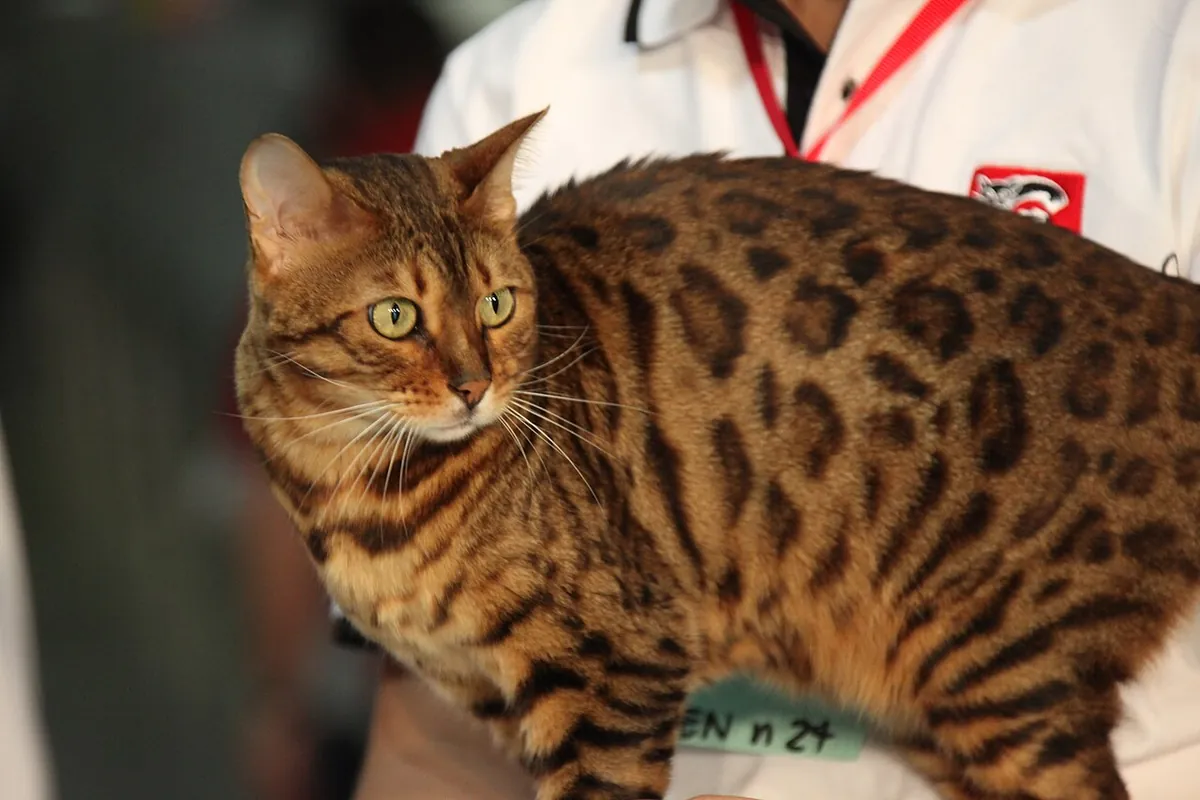
Why cats scratch
Scratching does several jobs at once. It sheds the old outer layer of the claws, stretches the back and front legs and, above all, leaves a visual and scent mark, because the paw pads have glands that leave their smell on the surface. That is why cats scratch as soon as they wake up, along busy routes, by the front door and on furniture that smells of you, like the sofa. They are not doing it to annoy you and punishment will not stop it. What you can do is get them to prefer a spot you provide.
A good scratching post
The most common mistake is buying a small post that wobbles. It needs to be stable, so it does not rock when the cat hangs off it, and tall enough for a full stretch, which for an adult means at least 70 to 80 cm (about 28 to 31 in). Sisal is usually a hit; corrugated cardboard, for horizontal scratching, too. It is best to have several: a tall vertical one next to the sofa or wherever it already scratches, a horizontal one, and one near where it sleeps. Cat trees with platforms also double as a high lookout.
How to steer it to the post
Put the post in front of the piece of furniture it targets, not in a corner nobody uses. Make the furniture less tempting for a while with a throw, double-sided tape or a smooth cover. Reward it every time it scratches in the right place, with a treat or a game with a wand toy next to the post. Rubbing a little catnip on the post or using a synthetic feline pheromone product helps with some cats. Once it uses the post out of habit, you can move it a few centimetres a day to wherever you prefer.
Claws: trim them, never remove them
Clipping the clear tip of the claws every few weeks cuts down on scratches and snags; use cat nail clippers and stay clear of the pink part, which has blood vessels and nerves. Many cats accept it if they get used to it young, with treats. Declawing is not removing the claw but amputating the last bone of each toe. It is a mutilation that Spain’s Law 7/2023 bans, along with any permanent body modification without a veterinary reason, and many other countries ban or restrict it too. It causes chronic pain and behaviour problems, including avoiding the litter tray.
Territory and resources
To a cat, its home is its territory, and it feels safe when it can keep it under control. High places such as shelves, ledges or a cat tree by the window help a lot, and so do hiding places. In homes with several cats, conflict is rarely open fighting: it is one cat blocking a corridor, guarding the litter tray or moving another away from the food. That is why the important resources, food, water, litter trays, scratching posts and beds, need to be duplicated and spread around the house. Spraying urine on walls and furniture is typical of unneutered males, but it also happens with stress or conflict.
Several stable, tall scratching posts placed where it already scratches, rewards when it uses them and claws trimmed now and then. Declawing is an amputation and is banned in Spain. High places and duplicated resources so it feels secure.
Educational content from Michipedia. It does not replace the advice of a vet or a feline behaviour specialist. Every cat is an individual.