
A second cat? When it is a good idea and how to get it right
A second cat can be the best thing that ever happens to the first, or the start of months of hissing, weeing outside the litter tray and tension. The difference isn’t luck but choosing the newcomer well, preparing your home and introducing them slowly. And being honest about whether your cat wants company or whether it is only you who does.
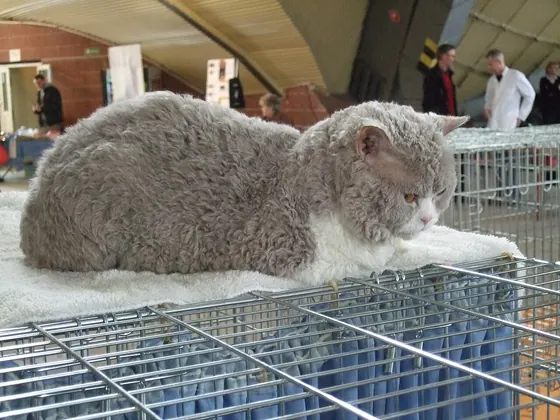
Cats are not solitary, but not pack animals either
For a long time cats were said to be solitary animals. That isn’t entirely true: in the wild, many females live in colonies of related queens that raise their litters together. But they choose who they live with, and they don’t accept just anyone. A cat doesn’t need another cat to be happy in the way a dog needs social company, and many cats live perfectly well as the only one in the house. Others, especially those that arrived as kittens with siblings, really enjoy having a companion. The question isn’t whether cats need company in general, but whether yours does and whether the newcomer will be compatible with it.
When it is a good idea
A second cat usually works well if your cat is young, sociable and playful and spends many hours alone; if your cat has lived with other cats before and got on with them; if you are adopting a kitten and can take two siblings together; or if your cat has energy to spare and chases your ankles, breaks things or miaows out of boredom. In these cases, a companion of similar age and temperament can give it play, activity and company. But a second cat is no magic fix: if the underlying problem is lack of stimulation, that also needs tackling with play and enrichment, whether you have one cat or two.
When it is better not to
Think twice if your cat is older and placid and used to being the only one, because a kitten bursting with energy could make its life a misery; if your cat has already had problems with other cats or reacts very aggressively to cats seen through the window; if it has a chronic illness or is going through a stressful time; if your home is very small and there is no way to separate resources; or if you can’t take on double the cost or the time for an introduction that may last weeks. Nor is it a good idea to adopt a second cat to “cheer up” one that is low or depressed: first you need to know why it is like that.
How to choose the newcomer
The most important thing is compatibility of temperament and energy. A young, active cat fits best with another young, active cat; a calm adult, with another calm adult. Sex matters little if both are neutered, although many behaviourists point out that pairs of very playful young males can be a little rougher. If you adopt from a rescue, ask how each cat gets on with others: many have lived in foster homes, and their history is valuable. An adult known to live well with cats is a safer bet than a kitten nobody knows anything about. And if you can, take two cats that already get on with each other.
Health checks before they meet
Before the new cat has any contact with yours, it should see the vet for a check-up, internal and external parasite treatment, up-to-date vaccinations and a test for feline leukaemia (FeLV) and feline immunodeficiency (FIV), which are passed between cats. If it comes from a rescue, this will probably already have been done; ask for the paperwork. If it was a stray, it is essential. Your own cat should also be vaccinated and treated for parasites. For the first few days, even if both are healthy, the newcomer should stay in a separate room, which as well as being part of the introduction serves as a short quarantine in case it was incubating something, such as cat flu.
Prepare your home: resources for everyone
Much of the conflict between cats that live together comes down to competition over resources. The general rule is one litter tray per cat plus one, in different places, not all lined up in the same corner. Separate food and water bowls, in different spots, so that neither has to eat next to the other. Several scratching posts, beds and hiding places, and above all vertical space: shelves, ledges and tall cat trees, from which each cat can have its own spot and avoid the other. In a well-organised home, two cats that aren’t best friends can live together peacefully; in a badly organised one, even two compatible cats will end up fighting.
The introduction, slowly
The most common mistake is to bring the new cat home and let them “sort it out”. Cats need time to accept each other. First, the newcomer lives in its own room with all its resources, and the two get to know each other by smell: swap blankets, rub one with a cloth and leave it with the other, and take turns letting each cat explore different parts of the house. Next, meals on either side of the closed door, moving them closer bit by bit. Then let them see each other through a barrier, such as a mesh door, with food or play. Only after that, short supervised spells together, gradually getting longer. It can take anything from a few days to several weeks, and it pays not to rush.
Signs it is going well, or not
It is going well if the cats look at each other with curiosity, approach with tails up, sniff noses, eat calmly near the barrier, play or simply ignore each other peacefully. The odd hiss at the start is normal. It is going badly if one stares fixedly at the other, chases it or blocks its way to the litter tray or food, if there is constant growling and hissing, fights with fur flying, or if one of them stops eating, hides all the time or starts weeing outside the litter tray. In that case, go back one or two steps and slow down. And if it still doesn’t improve, consult a behaviourist.
What it costs
A second cat doesn’t double the time spent on care, but it does double almost all the costs: food, litter, vet bills and insurance. In Spain, budget an extra 600 to 1,200 € a year from the second year onwards, with a slightly more expensive first year for vaccinations, microchipping and neutering if not already done. If you adopt from a rescue in Spain, the fee is usually between 50 and 150 €, and the cat arrives vaccinated, tested and neutered. Add an extra litter tray, scratching posts, beds and perhaps a mesh door for the introduction. It isn’t a huge sum, but it isn’t negligible either, and over fifteen years the difference adds up.
If it doesn’t work out after all
Sometimes, despite doing everything right, two cats won’t accept each other. If after several months the fights go on, one of them lives in terror, stops eating, hides or develops stress-related urinary problems, you need to seek professional help. A vet trained in behavioural medicine can assess the situation and suggest changes to the home or routine, or a reintroduction plan. In some cases, things improve a great deal with patience. In others, the fairest solution for both is to find the newcomer another family, through the rescue it came from. That isn’t a failure: it is recognising that not all cats are compatible.
A second cat works best if your cat is young, sociable and spends long hours alone, and if the newcomer has a similar temperament and energy level. Test for FeLV and FIV, set up resources for both (one litter tray per cat plus one) and introduce them slowly, in stages. And if your cat is older and happy being the only one, perhaps it is best left that way.
Educational content from Michipedia, translated from the Spanish original. It does not replace the advice of a vet or a feline behaviour specialist. Every cat is an individual.