
How to introduce two cats so they get along
Cats are territorial animals, and a stranger suddenly turning up in their home is an invasion. That is why putting two cats together on the first day usually goes badly and leaves wounds that take months to heal. Done gradually, on the other hand, most end up living together in peace.
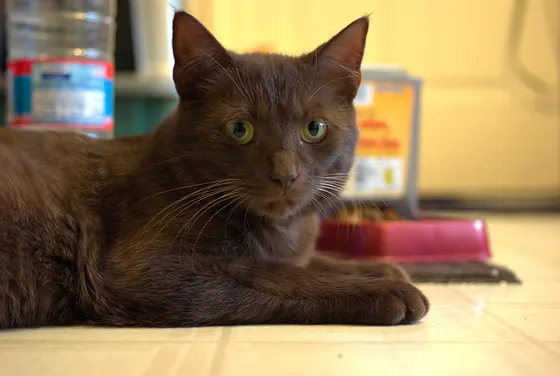
Why it can't be done all at once
To a cat, its home is its territory, with its smells, its routes and its resources. If another cat suddenly appears, it feels threatened, and the newcomer, in an unfamiliar place, is frightened too. If they meet like that, hissing, chasing or fighting is the usual result, and the trouble is that this first bad experience sticks: the resident cat can associate the newcomer with fear for months. A gradual introduction does the opposite: it lets both get used to each other's smell and presence before they see each other, and link it with good things. It takes longer, but it saves an enormous amount of trouble later.
Before you start: choosing the right second cat
Introductions work much better if the two cats are a good match. Age and energy matter most: a young, playful cat gets on better with a similar one than with an older cat that just wants to sleep, and a boisterous kitten can be overwhelming for a twelve-year-old cat. If your cat is very shy, look for a calm, non-dominant one. If your cat has never lived with other cats or has been aggressive towards them, ask yourself whether it really needs company. And before bringing the new cat home, have it tested for FeLV and FIV and treated for parasites, so you don't bring an illness into the house.
Step 1: a room for the newcomer
The new cat arrives in a room of its own, with the door closed and everything it needs: litter tray, water, food, a bed, a hiding place and a scratching post. It will spend the first few days there, sometimes one or two weeks, getting to know the house through smells and sounds without having to face the resident cat. The resident, meanwhile, carries on with its normal life in the rest of the house. Spend time with each of them separately and keep the resident's routines as unchanged as possible: this is not the moment to move its food bowl or stop playing with it.
Step 2: swap scents
Smell is the language of cats, so the introduction starts with the nose. Gently rub a sock or a cloth on each cat's cheeks, where they have scent glands, and leave each one in the other cat's territory. Swap their blankets around too. Once the newcomer is relaxed in its room, let it explore the house while the resident is in another room, and the other way round, let the resident explore the newcomer's room. That way each gets to know the other's smell without having to see them. The signal to move on is that neither reacts to the other's smell with hissing or growling.
Step 3: meals on either side of the door
One of the most useful tricks: feed each cat on its own side of the closed door, at some distance at first, moving the bowls a little closer to the door day by day. Eating is pleasant and relaxing, so they link the other cat's smell and sounds with something good. You can also use very tempting treats or wet food to make it more appealing. If either of them stops eating or hisses at the door, you have gone too fast: move the bowls back and progress more slowly. This stage can last a few days or a couple of weeks.
Step 4: seeing each other through a barrier
Once they eat calmly by the door, visual contact comes next, through a barrier: a door held ajar with a stopper, a tall baby gate or a mesh screen across the doorway. Keep sessions short, while they eat or while you play with each of them with a wand toy, so the other's presence is linked with good things. Let them look at each other, sniff through the barrier and get used to the sight of each other. The odd hiss is normal; if there is staring, a bristling tail, growling or attempts to attack through the barrier, close it and go back to the previous step. Always stop before they get worked up.
Step 5: together, under supervision
When they are calm seeing each other through the barrier, open it at a quiet moment, with play or food, and supervise. Let them approach at their own pace, without forcing it. Keep it to short spells at first, and separate them again when you are not at home. Keep a blanket or cushion to hand to put between them if a fight breaks out, never your hands. Lengthen the time together as things go well. Many cats go through a phase of some tension, avoiding each other or the occasional hiss, before reaching calm; what matters is that there is no chasing and no fights that leave wounds.
Resources so they don't compete
Cats living well together depends a great deal on them not having to compete for what they need. One litter tray per cat plus one, in different parts of the house, not all in one place. Several feeding and water stations. Enough scratching posts, hiding places and high spots for each cat to have its own, so they can pass each other without coming face to face. One cat can block the other's way to the litter tray or food bowl without any fighting, and that is a form of silent conflict that ends in pee outside the tray or a cat that stops eating. Feline pheromone diffusers can help a little in some cases.
How long it takes and when to get help
Between two weeks and two or three months, depending on the cats. Some end up sleeping together and grooming each other; others reach a polite tolerance, each going its own way, and that counts as success too. It is going well if they eat, play and use the litter tray normally, and pass each other without tension. It is going badly if there are fights with injuries, if one lives in hiding or stops eating, or if peeing outside the tray starts. In that case, separate them again and start over, stage by stage. If it doesn't improve, talk to your vet, who can refer you to a feline behaviour specialist, before the conflict becomes entrenched.
Never all at once: a room of its own for the newcomer, scent swapping, meals on either side of the door, contact through a barrier and, finally, supervised time together. One litter tray per cat plus one, and resources spread around. If a step goes wrong, go back: rushing is what ruins things.
Educational content from Michipedia, translated from the Spanish original. It does not replace the advice of a vet or a feline behaviour specialist. Every cat is an individual.