
How long can a cat be left alone (and why not for a weekend)
Cats cope with being alone better than dogs, and that has fuelled a dangerous idea: that you can leave them alone for a weekend with a sack of dry food and a bucket of water. A working day, yes. Two days with nobody coming round, no. Here is why, and how to do it properly.
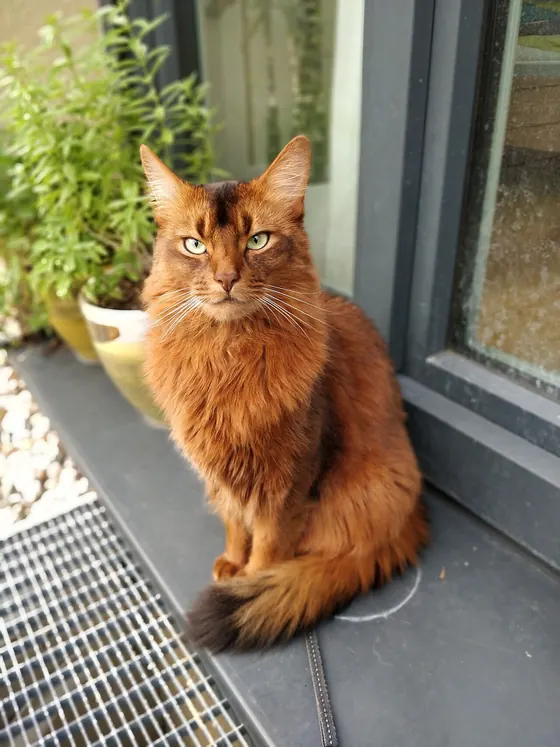
A working day: no problem for most cats
A healthy adult cat can spend a normal working day alone, eight or nine hours, without any problem, as long as it has water, food, a clean litter tray and an environment with things to do. Many cats spend much of that time asleep, which is what they would do anyway: an adult cat sleeps 12 to 16 hours a day. That does not mean they do not mind being alone. Cats bond with their people and many look forward to your return, so the time you spend at home has to make up for it: play, attention and routine. A cat that spends ten hours alone and then gets another two of being ignored certainly notices.
A weekend alone: why not
The idea that a cat can stay alone for two or three days with plenty of food and water is very common, and it needs to go. The problem is not boredom, but that if something happens, nobody knows. A male with a urinary blockage can die within one or two days. A cat that gets shut in a wardrobe, tangled in a curtain, vomits and stops drinking or knocks over its water bowl is left without help. And a cat that stops eating for several days, especially if it is overweight, can develop hepatic lipidosis, a serious liver disease. The sensible recommendation is that no cat should go more than 24 hours without someone coming into the home to check it is all right.
Kittens, older cats and sick cats: less time
A kitten of two or three months should not spend many hours alone: it needs to eat several times a day, gets into everything and is in the middle of its learning and socialisation period. If you work outside the home, try to have someone drop in at midday for the first few weeks, or leave the kitten in a safe, prepared room while you are out. Older cats, diabetic cats that need insulin at set times, cats on medication and cats with kidney disease that need to eat and drink well also require more supervision. And cats that are very attached to their person, like many Siamese or Orientals, can struggle with long absences even if they are physically fine.
Water comes first
If the cat is going to be alone for several hours, water is the priority. Put out more than one water bowl in different parts of the home, away from food and the litter tray, in case one gets knocked over or dirty. Many cats drink more from wide, shallow ceramic or steel bowls that do not brush their whiskers, and others prefer moving water: in Spain a cat water fountain costs €20 to €50 and encourages cats that drink little, which matters for kidney and urinary health. If you use a fountain, leave a normal bowl as well, in case of a power cut or the pump stopping. A cat without water fares far worse than one that goes without food for a few hours.
Food and automatic feeders
Leaving a full bowl of dry food for the whole day works for some cats, but others wolf it down and vomit, or end up overweight. A programmable automatic feeder, which costs €35 to €100, splits the ration into several meals at the times you choose, which is closer to a cat's natural way of eating and prevents binges. Some have chilled trays for wet food. For a full day's absence, it is a good investment. But an automatic feeder is no substitute for a person: it can jam, run out of batteries or lose its connection, and it will not tell you if the cat has stopped eating.
The litter tray, ready to go
A cat that finds its tray dirty after many hours may refuse to use it and go somewhere else. If it is going to be alone for a day, leave the tray freshly cleaned and, if you only have one, add a second, which is the recommendation in any case: one tray per cat, plus one. For absences of more than a day, someone has to clean it. It is also a way of keeping an eye on its health: whoever comes round should check that there is urine and faeces as normal, because a tray with no pee from a male is a warning sign. Tell whoever goes exactly what to look for, not just to put food out.
Give it things to do
A cat alone in an empty flat with no stimulation gets bored, and a bored cat may end up overeating, oversleeping or developing stress behaviours. Before you leave, a ten-minute play session that tires it out helps a lot. Leave a spot by the window to look outside, with a ledge or a tall scratching post; several toys that you rotate every few days so they stay novel; a puzzle feeder or treat balls with part of its ration; cardboard boxes and hiding places; and scratching posts where it walks. What you must not leave within reach are toys with strings or threads, or rubber bands, which it could swallow with nobody seeing.
A cat-proof home
Before leaving a cat alone, especially if it is young or new to the home, look round the house through a cat's eyes. Windows shut or fitted with netting, and never left open in tilt mode, which is a trap that catches many cats and injures them badly. Balcony closed off if it is not protected. Washing machine, tumble dryer and wardrobe doors shut. Cables and blind cords tidied away. Toxic plants out of the house, above all lilies, which can cause kidney failure from the pollen alone. Medicines and cleaning products put away. And the hob turned off with nothing on it. Most household accidents involving cats happen while they are alone.
More than a day: someone has to visit
For a weekend or a holiday, the option cats cope with best is staying at home with someone coming in to see them, at least once a day and ideally twice. Cats are very territorial, and a change of surroundings stresses them more than their owners' absence does. It could be a relative, a trusted neighbour or a professional cat sitter, who in Spain usually charges €12 to €20 for a half-hour visit. What they need to do: clean the litter tray, put out water and food, check that the cat is eating and peeing, play for a while and let you know if anything seems odd. A security camera, for €30 to €60, gives you peace of mind, but it does not replace that visit.
Signs it is struggling on its own
Most cats handle being alone day to day well, but some do not. If you come home to pee or poo outside the tray, especially on your bed or your clothes; if neighbours tell you it meows a lot while you are out; if it overgrooms to the point of bald patches, vomits or has eaten nothing all day; or if it greets you with excessive anxiety, it may have a separation-related problem. These problems occur in cats more than people think. The first step is to rule out any medical problem with the vet, and then to work gradually on the environment, the routines and the absences, with a behaviour professional if needed.
A healthy adult cat copes well with a working day alone if it has water in several places, food, a clean litter tray and things to do. But never more than 24 hours without someone coming round: a urinary blockage or a cat that stops eating cannot wait until Monday. For trips away, a sitter who visits your home is the better option.
Educational content from Michipedia, translated from the Spanish original. It does not replace the advice of a vet or a feline behaviour specialist. Every cat is an individual.