
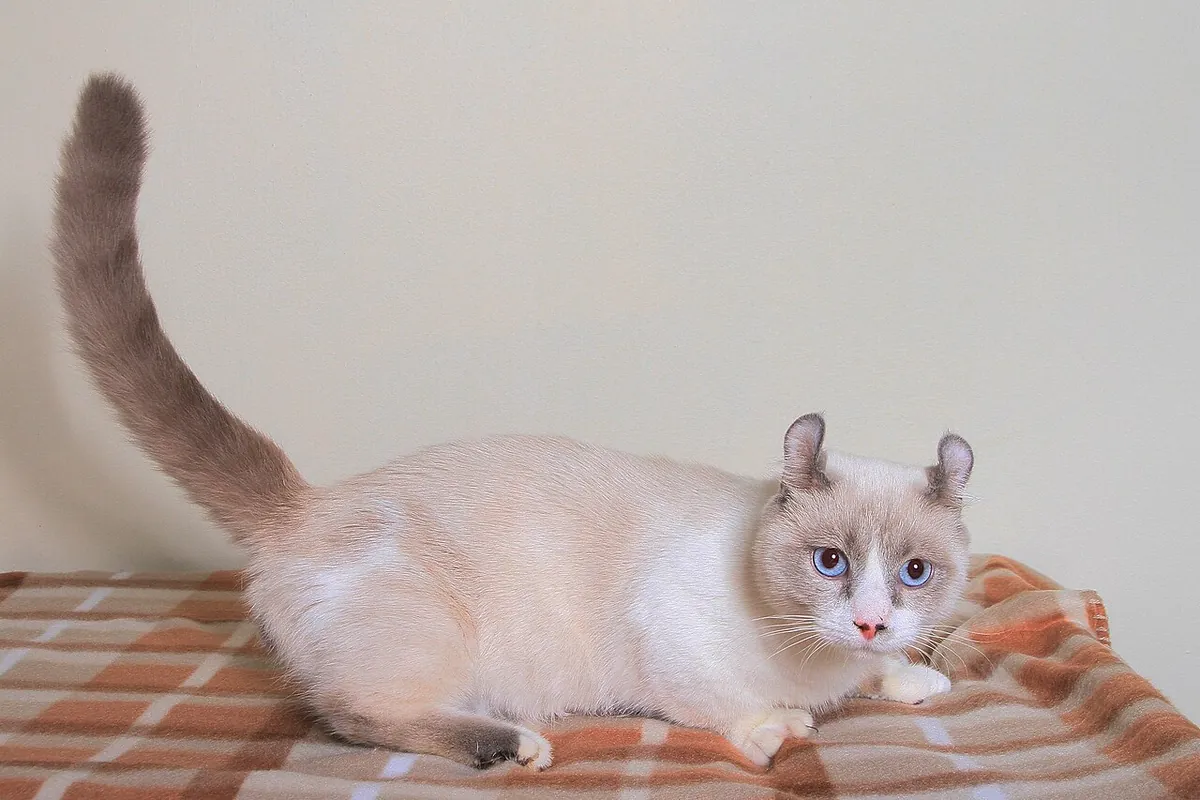
Kinkalow
Also known as: Kinkalow cat · Munchkin Curl · Short-legged curl cat
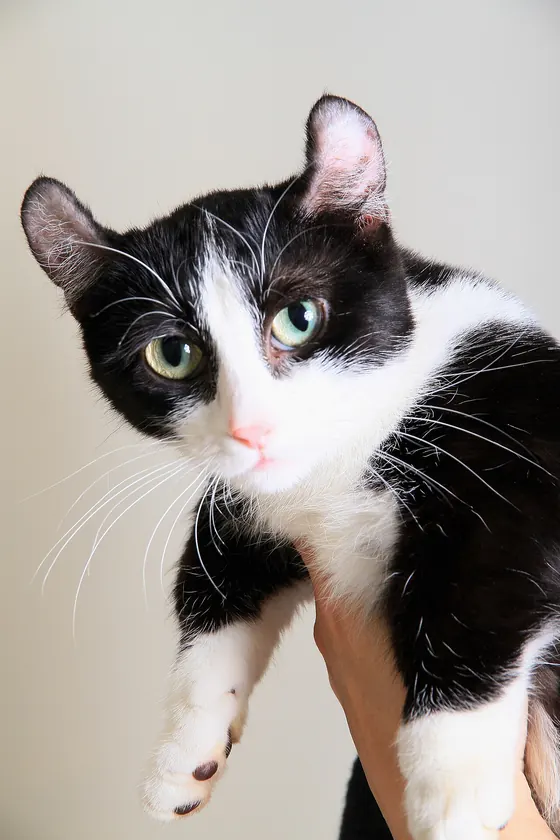
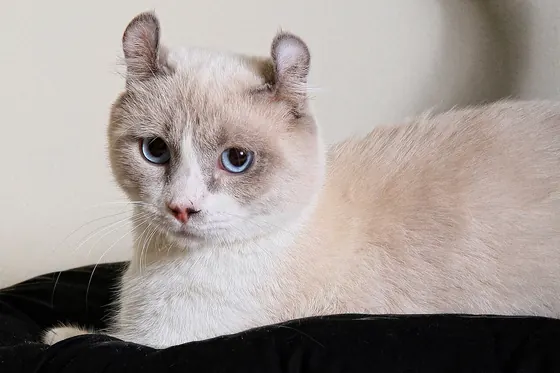
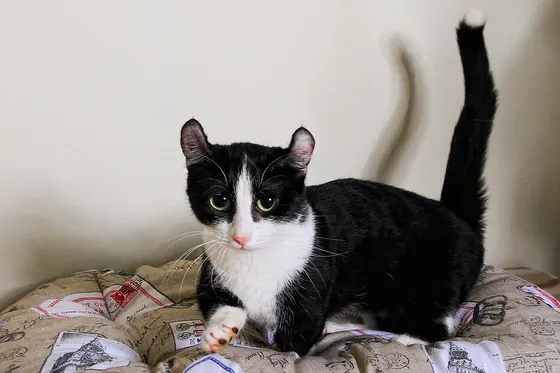
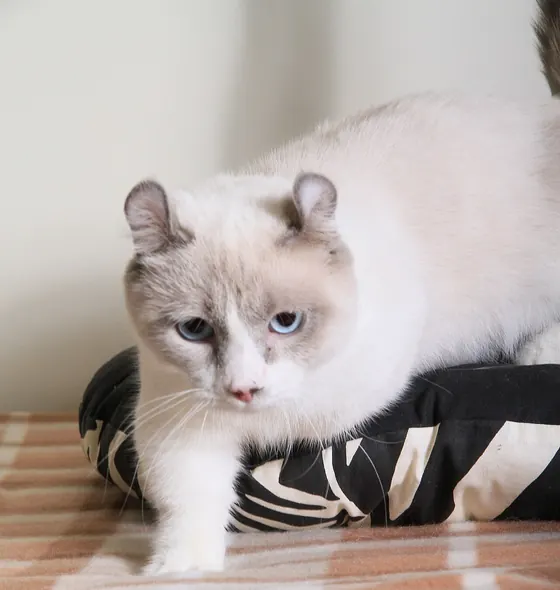
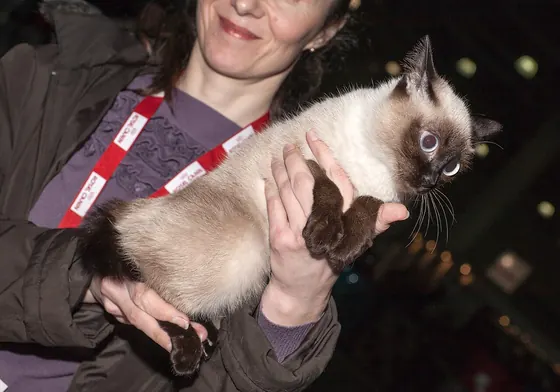
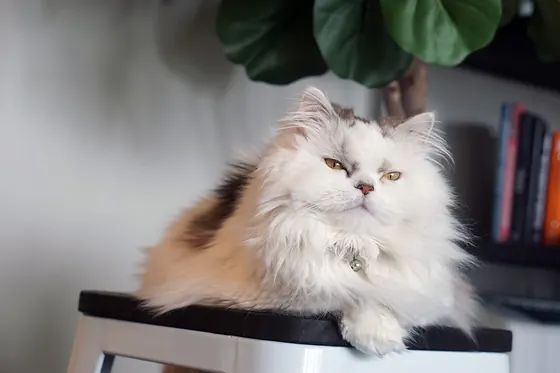
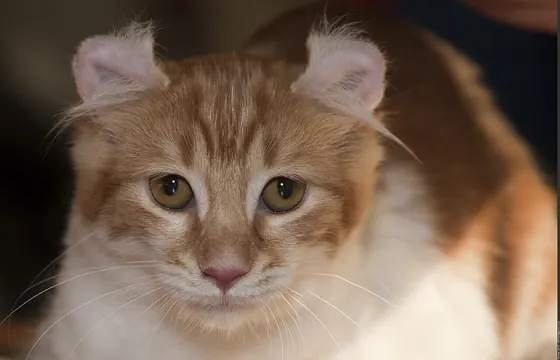
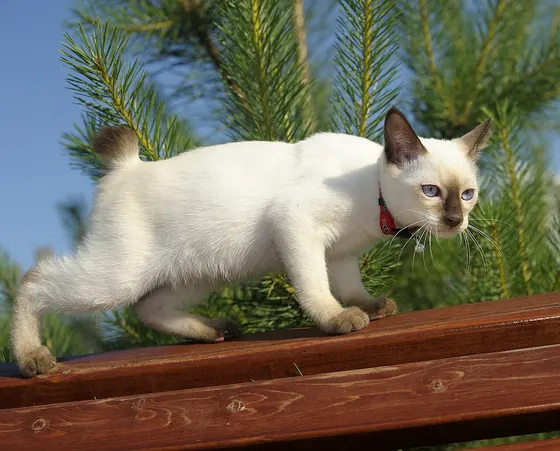
Photos: Kirimiti (CC BY-SA 3.0), via Wikimedia Commons.
Breed profile
* An estimate for Spain in 2026 (food, litter, vet and insurance), based on the size, grooming and health needs of the breed, not on measured costs of individual cats.
What it is like
It was developed in the mid-1990s by the American breeder Terri Harris, who crossed a Munchkin with an American Curl to combine the short legs of the first with the backward-curling ears of the second. It is a very minority breed with a small population, and breeders are still trying to fix both traits: long-legged or straight-eared kittens are born in the same litter. None of the large registries (CFA, FIFe, GCCF, WCF, TICA) gives it championship status; it is registered by the REFR, a rare breeds association, and was registered by the now-defunct Dwarf Cat Association. It needs saying plainly: deliberately breeding for dwarfism is controversial, and many vets and registries advise against it. In character it is playful, curious and very sociable.
Temperament
Care
Weekly brushing, a little more for the semi-longhair. Clean its ears gently, without unfolding the cartilage, which is delicate. Because of its short legs, ramps or steps for high places, a low-sided litter tray and horizontal as well as vertical scratchers. Keep its weight in check to protect its spine.
Health
From the Munchkin it inherits the chondrodysplasia that shortens the legs, with a higher risk of arthritis, lordosis and pectus excavatum. The American Curl's curled ears are not associated with serious disease, but the cartilage is fragile and can be damaged if mishandled. The population is very small: ask about inbreeding and the parents' spinal checks.
Fun facts
Its ears are born straight and curl in the first days of life, as in the American Curl.
The same litter can include long-legged or straight-eared siblings.
The cats in its photos come from a Moscow cattery: one imported from the United States and the other from England.
It is one of the rarest breeds in the world, with very few breeders.
Frequently asked questions
How big does a Kinkalow get?
An adult Kinkalow usually weighs 2–3.5 kg (4–8 lb) and stands about 13–18 cm (5–7 in) at the shoulder, which makes it a small cat.
How long does a Kinkalow live?
Its usual life expectancy is 12–15 years. Living indoors, being neutered and having regular vet check-ups make the biggest difference.
Is the Kinkalow hypoallergenic?
No. It produces the usual cat allergens. If someone at home is allergic, spend time with the breed before deciding and talk to an allergist.
Is the Kinkalow good with children?
Usually yes: it tends to be patient and sociable with children. As with any cat, teach children to let it walk away when it has had enough.
How much play does a Kinkalow need?
As a guide, 25 min of play a day. Its activity score is 4 out of 5: short daily play sessions with a wand toy work better than one long one.
Similar breeds
All breeds A to Z Cost calculator (Spanish) Food portions (Spanish)