
Do cats have nine lives? The origin of the saying and how much of it is true
No, cats have only one life, like any other animal. The saying about nine lives (seven in Spanish) comes from their astonishing agility, their knack for landing on their feet and their ability to survive situations that look fatal. But that reputation leads many people to underestimate real risks, such as falls from balconies.
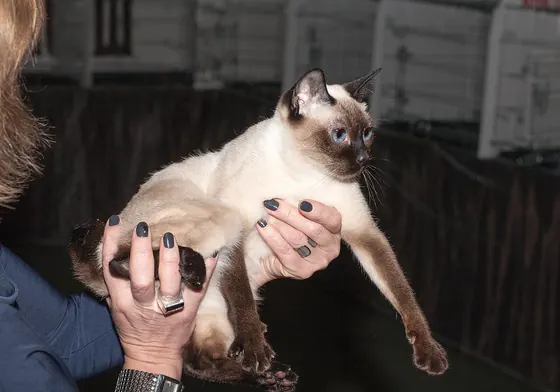
Nine in English, seven in Spanish
In English, cats have nine lives. In Spanish, as in Italian, they have seven, and in other languages and traditions the number changes again. There is no single documented origin for the figure. Seven and nine are numbers loaded with symbolism in many traditions, linked to luck, perfection or the sacred, and the saying probably settled on one or the other depending on the language. What is the same everywhere is the idea: the cat is an animal that walks away alive from situations others would not. And many languages have versions of the same saying applied to people, to describe someone who gets out of trouble time and time again.
A reputation centuries old
The expression is old. In English it already appears in 16th-century texts, and one of its best-known appearances is in Shakespeare’s Romeo and Juliet, written at the end of that century, when Mercutio mocks Tybalt by calling him the king of cats and says he only wants one of his nine lives. The fact that Shakespeare used it as a joke the audience would get shows the saying was already popular. In Spanish popular culture, the cat’s seven lives turn up in proverbs, stories and children’s songs, and the expression is also used for people who escape dangerous situations again and again.
The truth behind it: agility and reflexes
The myth has a real basis: cats are extraordinarily agile. They have a very flexible spine, a collarbone that is not attached to the rest of the skeleton, powerful hind leg muscles that let them jump several times their own height, and an inner ear that tells them their position instantly. Thanks to the righting reflex, when they fall they twist in mid-air and land on their feet, cushioning the impact. Their senses are also very sharp and their reactions very quick, so they dodge many dangers at the last second. From the outside, it looks as if they come through everything unscathed.
Famous survivors and a bias
There are true stories of cats that survived falls from very high floors, days trapped in rubble after earthquakes or journeys hidden in shipping containers. Guinness World Records, for example, records the case of a cat found alive in Taiwan 80 days after the September 1999 earthquake. These stories feed the myth, but they carry an obvious bias: we hear about the cats that survive, not the many that do not. The same goes for falls: a classic 1987 study in New York drew attention because of the high survival rate of cats that had fallen from buildings, but it only counted those that reached the clinic alive.
What the myth hides
The idea that cats are indestructible harms them, because it leads many people to think nothing will happen to them. Falls from balconies and windows are one of the most common emergencies in Spanish cities every summer, with fractures of the jaw, palate and legs and internal injuries: what is known as high-rise syndrome. Road traffic accidents are one of the leading causes of death in cats with outdoor access. And cats are very good at hiding pain and illness, so when they seem to have escaped something unharmed, they sometimes have injuries you cannot see. A cat does not have nine lives: it has one, and it uses it up as quickly as any other animal if it is not protected.
How to look after the one life it has
The risks that kill or injure the most cats in Spain are well known, and nearly all of them can be prevented. A strong net on balconies and windows prevents falls. Living indoors, or controlled access to an enclosed patio or terrace, greatly reduces road accidents, fights and the spread of feline leukaemia and feline immunodeficiency virus. Keeping lilies and other toxic plants, human medicines (especially paracetamol) and permethrin-based dog flea treatments out of reach prevents serious poisoning. And tidying away thread, hair ties and ribbons prevents intestinal blockages. Add the basics on top: vaccinations, worming and flea treatment, neutering, a microchip and regular check-ups.
How long a cat actually lives
The one life a cat does have can be a long one. A well cared for indoor pet cat lives on average 13 to 17 years, and it is not unusual for one to pass 20. The longevity record recognised by Guinness World Records belongs to Creme Puff, a cat from Austin, Texas, who lived 38 years and 3 days, from 1967 to 2005. Neutered indoor cats with regular check-ups clearly live longer than cats living on the streets, where life expectancy is much lower because of traffic, disease and fights. The best way to give your cat many lives is to take good care of the only one it has.
Black cats, luck and other legends
Nine lives are not the only legend that follows cats around. For centuries they were credited with magical powers, for better and for worse: worshipped in ancient Egypt, linked to witchcraft in medieval Europe and, even today, the black cat is a symbol of bad luck to some and of good luck to others, as in parts of the United Kingdom and in Japan. These superstitions have real consequences: in many rescue shelters, black cats take longer to be adopted. No cat brings good or bad luck, or has more lives than any other. What they all do have is a single life that depends largely on how well we look after them.
Cats do not have nine lives (seven in Spanish): they have one. The saying, already used by Shakespeare, comes from their agility, their reflex for landing on their feet and survival stories that only count the survivors. That reputation leads people to underestimate real risks such as balconies, traffic and poisons. A well cared for cat lives 13 to 17 years or more.
Educational content from Michipedia, translated from the Spanish original. It does not replace the advice of a vet or a feline behaviour specialist. Every cat is an individual.