
Foods and substances toxic to cats: the list worth keeping to hand
Cats are choosier eaters than dogs, and that gives a false sense of security. But their liver is worse at getting rid of many substances, and some that cause only mild problems in dogs are deadly for them. This is the list you need to know, starting with the ones that kill the most cats.
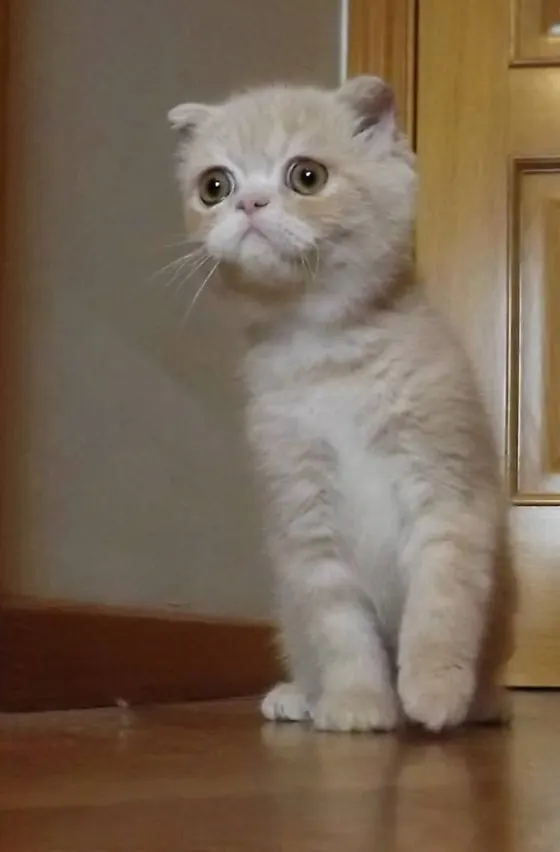
Why cats are more vulnerable
A cat’s liver has very little capacity for a detoxification pathway called glucuronidation, which other animals use to get rid of many drugs and plant compounds. That is why some products that a dog or a person tolerates build up in a cat and poison it in small amounts. Cats also lick everything: whatever lands on their fur or paws, or the pollen from a flower, ends up in their mouth when they groom. Many feline poisonings come not from what they eat but from what they lick off themselves.
Lilies: the flower that kills the most cats
True lilies of the genus Lilium, such as Asiatic, Oriental, Easter and tiger lilies, and daylilies (Hemerocallis), are extraordinarily toxic to cats. Every part of the plant is: leaves, flowers, stem, pollen and even the water in the vase. A cat only has to bite a piece of leaf or lick off pollen caught in its fur to suffer acute kidney failure, which develops within one to three days and can be fatal. At first it just vomits or seems flat. If you suspect your cat has had contact with a lily, go to the vet immediately, without waiting for symptoms: early treatment saves lives. And the best prevention is not to have lilies at home if a cat lives there.
Paracetamol and other human medicines
Paracetamol (acetaminophen) is one of the most dangerous poisons for a cat, precisely because of that liver that cannot clear it: a fraction of a tablet can be enough to damage its red blood cells and liver. The signs are brown or bluish gums, difficulty breathing, swelling of the face and paws, and lethargy. The same goes for ibuprofen and other human anti-inflammatories, which cause ulcers and kidney failure. Never give your cat any human medicine, not even half a tablet “because it is in pain”. And keep medicine cabinets closed: many cats play with a tablet dropped on the floor.
Dog spot-on with permethrin
This is a poisoning vets see every summer, and it can be prevented just by reading the box. Many flea spot-ons and collars for dogs contain permethrin or other pyrethroids, which dogs tolerate well but which cause tremors, seizures and drooling in cats and can kill them. It happens when a cat is given a dog spot-on to save money, or when a cat rubs against or sleeps next to a recently treated dog. Use only parasite treatments made for cats, and if you have both a dog and a cat, ask your vet for a dog product that is safe for a shared home, or keep the animals apart until the spot-on has dried. If you see tremors after a spot-on, go to the emergency vet.
Onion, garlic, leek and their relatives
The whole Allium genus, which includes onion, garlic, leek, spring onion and chives, contains compounds that damage red blood cells and cause anaemia, and cats are more sensitive to them than dogs. It does not matter whether they are raw, cooked, dried or powdered: garlic powder and onion powder are even more concentrated. The problem usually comes from leftovers, sauces, shop-bought stock, cured meats or baby food, which often contain onion. Symptoms can take several days to appear: tiredness, pale gums, dark urine. A small one-off amount is not usually serious, but repeated eating is. For any noticeable amount, seek advice.
Chocolate, caffeine and alcohol
Chocolate contains theobromine and caffeine, which cats eliminate very slowly and which cause vomiting, agitation, a racing heart, tremors and, in large amounts, seizures. The darker it is, the more dangerous: dark chocolate and cocoa powder much more so than milk chocolate. The good news is that cats cannot taste sweetness, because they lack the receptor for it, so they rarely take an interest, but they may eat it for the fat or cream. Coffee, tea, energy drinks and caffeine tablets have the same effect. Alcohol, including raw yeast dough, which ferments in the stomach, causes loss of coordination, low body temperature and depressed breathing in very small amounts.
Grapes, raisins and xylitol: with caution
Grapes and raisins cause kidney failure in some dogs, and although few cases have been documented in cats, the main toxicology sources treat them as a risk for cats as well. No safe amount is known, so the prudent course is for your cat not to eat them. With xylitol, the sweetener in chewing gum and sugar-free products, something similar happens the other way round: it is very dangerous for dogs, and the limited data on cats suggest they are a good deal less sensitive. That is no reason to relax: if your cat eats xylitol gum, mention it to your vet, but it is not one of the major feline threats in the way lilies or paracetamol are.
Other dangers in the kitchen
Cooked bones, especially chicken, rabbit or fish bones, splinter and can perforate or block the gut. Fat and skin trimmings encourage digestive problems and pancreatitis. Liver every day causes an excess of vitamin A. Raw fish fed regularly destroys thiamine. Tinned tuna as the main diet is addictive and not complete. And too much salt, crisps, cured meats and seasoned dishes do it no good at all. None of this is as serious as the items above as a one-off, but it is as a habit.
Essential oils, plants and household products
Many essential oils, such as tea tree, eucalyptus, pine or concentrated citrus oils, are toxic to cats, both through skin contact and when inhaled from diffusers. Avoid diffusers in rooms where the cat spends time and never apply oils to its coat. There are also many toxic houseplants, such as pothos, dieffenbachia or aloe, although most cause irritation rather than serious poisoning; lilies are the serious exception. And beyond the kitchen: car antifreeze, which tastes sweet to other animals and is deadly, rat poison, bleach and concentrated cleaning products.
What to do if it has eaten something toxic
First, stay calm and find out what it has taken, how much and when; keep the packaging or a piece of the plant. Call your vet or an emergency clinic with that information: they will tell you whether you need to go in and how urgently. Do not make it vomit yourself with salt water, hydrogen peroxide or anything similar: in cats these home remedies are dangerous and often do not work. If the product is on its coat, such as a spot-on or an oil, you can wash the area with lukewarm water and a mild soap while you call, so it does not keep licking it. With lilies, paracetamol or permethrin, go straight in.
How to prevent it without living in fear
Prevention is simple. No lilies at home or in bouquets people give you. Medicines kept in closed cupboards. Only parasite treatments made for cats, always reading the box. Leftovers in the bin, and a bin with a lid. Cleaning products and oils out of reach. And if you are unsure about a particular food or plant, it is better to check before rather than after: our food and plant tools list them one by one, with their level of risk.
The major dangers for a cat are lilies (any part, even the pollen and the vase water), paracetamol, dog spot-on with permethrin, and onion and garlic. If you suspect anything, call your vet without waiting for symptoms and do not make it vomit yourself.
Educational content from Michipedia, translated from the Spanish original. It does not replace the advice of a vet or a feline behaviour specialist. Every cat is an individual.