
Why do cats hide when they are sick? And how to spot it in time
Cats hide when they are sick because, for an animal that is also prey, showing weakness is dangerous: in the wild, a visibly ill cat attracts predators. That is why they mask pain and look for a quiet, safe hiding place. At home, a sociable cat that starts hiding is often the first sign that something is wrong, and it is worth seeing the vet.
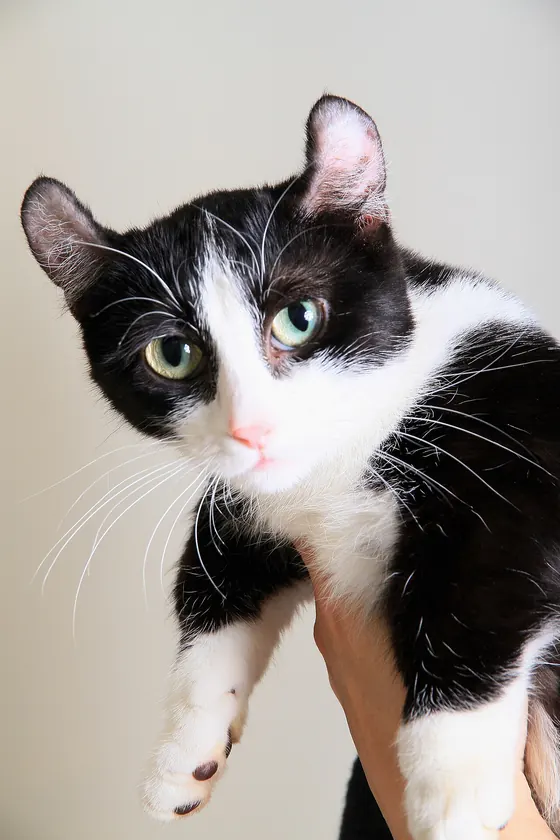
A survival instinct
The cat is a predator, but it is also prey for larger animals such as foxes, birds of prey and dogs. In the wild, an animal that limps, moves slowly or cries out draws the attention of predators and of other cats that might challenge it for its territory. That is why cats have inherited a very strong tendency to hide pain and weakness. When a cat feels unwell, its instinct tells it to find a hidden, quiet, sheltered spot where nobody will disturb it, and to stay still until it recovers. It is a strategy that saves its life in the wild and, at home, makes it very hard for us to tell when it is ill.
Masters of disguise
Cats are so good at hiding discomfort that many illnesses are picked up late. It is common for a cat to arrive at the vet with advanced kidney disease, diabetes or significant arthritis, and for its owners to say it was fine until recently. In reality it had been showing subtle changes for some time that weren’t recognised as symptoms: it slept a bit more, jumped onto the sofa less, drank a little more or ate more slowly. Feline vets stress this point: in cats, not complaining doesn’t mean not suffering, and the absence of obvious symptoms is no guarantee of good health.
How cats show pain
Although they hide it, cats do show pain if we know how to look. In 2019, a team at the University of Montreal led by Paulo Steagall published in Scientific Reports a scale of facial expressions of pain in cats, the Feline Grimace Scale, validated with cats seen at the clinic. It scores five features: ears pulled apart and rotated outwards, narrowed eyes, a tense, more oval muzzle, straight whiskers pulled taut and forward, and the head lowered below the shoulders. A cat showing several of these features is probably in pain. It is a tool designed for vets, but anyone can learn to recognise those faces.
Signs that something is wrong
As well as hiding, there are changes that should make you suspicious: eating less or stopping eating, drinking and weeing more than usual, toileting outside the litter tray, no longer grooming so the coat looks dirty or matted, or on the contrary licking one area excessively, sleeping in different places from usual, no longer climbing onto high furniture, being more irritable or not wanting to be touched, miaowing differently, losing weight or losing interest in play. None of these signs on its own is an emergency, but any change in behaviour that lasts more than a couple of days is worth a trip to the vet.
When hiding is an emergency
There are situations where you shouldn’t wait. If your cat is hiding and has also eaten nothing for more than 24 hours, is breathing with its mouth open or with effort, has pale gums, is vomiting repeatedly, can’t wee or goes to the litter tray many times without producing anything, won’t put weight on a leg, has fallen from a height, may have eaten something toxic or is so weak it can’t get up, call the vet or go to an emergency clinic. In males, a urinary blockage is an emergency measured in hours. And in cats, not eating for days is dangerous in itself, because it can trigger hepatic lipidosis (fatty liver disease).
How to get your cat out of its hiding place
If you need to check a cat that is hiding or take it to the vet, do it calmly. Avoid chasing it around the house, as this will increase its stress and it may hurt itself or scratch you. Close the doors of the room to limit its options, have the carrier ready and open with a blanket that smells of home, and approach slowly, talking softly. Wrapping the cat in a large towel helps you handle it without it escaping. A carrier that opens from the top makes it easier to put the cat in and take it out without a struggle. If the cat is in a lot of pain, touch the sore area as little as possible and support it by the body, not by the legs.
Hiding that is perfectly normal
Not every hiding place means illness. Cats hide when visitors arrive, at loud noises such as fireworks or storms, during a house move or building work, when a new animal joins the household and, in general, at any change that stresses them. A cat that has just come home from a rescue may spend days hiding while it settles in. And many cats simply have favourite hiding spots where they take their naps. The difference lies in the change: a cat that is usually around the house and suddenly hides for hours or days, for no obvious reason, deserves your attention.
The best prevention: check-ups
Because cats hide illness, the best tool is not to wait for symptoms. A yearly vet check-up for adult cats, and one every six months from ten or twelve years of age, with blood tests, a urine test and a blood pressure reading in older cats, detects problems such as kidney disease, hyperthyroidism, diabetes and high blood pressure long before the cat shows them. Weighing your cat at home every month also helps, because weight loss is often the first clue. And knowing its normal routines well, how much it eats, how much it drinks, where it sleeps and how it uses the litter tray, is what will let you notice that something has changed. Many vets recommend jotting down those changes, however small they seem, and bringing the notes to the appointment: sometimes the key clue lies in a detail the cat will not show in front of the vet.
Cats hide when they are sick by instinct: showing weakness is dangerous for an animal that is also prey, so they mask pain. That is why a sociable cat that starts hiding, eats less or changes its routines may be ill. Learn to recognise the pain face, don’t wait if it stops eating for more than 24 hours, and keep up regular check-ups.
Educational content from Michipedia, translated from the Spanish original. It does not replace the advice of a vet or a feline behaviour specialist. Every cat is an individual.