
Why cats don’t like water (and why some absolutely love it)
The reputation is only half deserved. Most cats steer clear of getting wet, yet plenty are captivated by a running tap, play with their water bowl, and a few breeds will happily hop into the shower. What they dislike is not so much water itself as what happens to them once they are soaked.
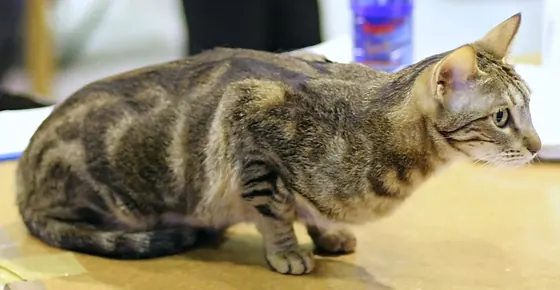
Desert ancestry
The domestic cat descends from the African wildcat, which lives in the dry regions of the Middle East and North Africa. Its ancestors rarely had to swim or cross rivers, and they got much of the water they needed from their prey, so they never developed any particular relationship with water. Some felines do have one, such as the tiger or the Asian fishing cat, which swims with ease and catches fish, but they are not the ancestors of our cats. That heritage goes some way to explaining why most house cats don’t seek out water, although it doesn’t explain why so many reject it so vigorously.
What happens when a cat gets wet
Most cats’ coats soak up water like a sponge: they become drenched, much heavier and take hours to dry. A wet cat is slower and clumsier, unable to jump or flee with its usual agility, and it also chills quickly, because wet fur stops insulating. For an animal whose sense of safety rests on speed and control of its surroundings, that is a deeply uncomfortable position to be in. On top of that, water washes away its scent, which is an important part of how it recognises itself and feels at home, and it has to spend a long time licking itself to get it back.
Control and surprise
Cats dislike situations they can’t control. Being plonked in a bath, held down and suddenly drenched combines everything that stresses them most: restraint, noise, a strange sensation on the skin and no way out. Many cats that bolt at bath time will happily play with water from a glass or the tap, because there they decide how wet they get. Experience matters too. A cat that had calm contact with water as a kitten copes better than one whose only experience is a forced bath or a spray bottle used as punishment, and that negative association can last a lifetime.
The fascination with the tap
It is very common for a cat that hates getting wet to spend ages watching the tap, dabbing a paw in the stream or waiting in the basin for you to turn it on. Moving water grabs their attention the way prey would: it glints, it makes a sound and it moves. Many cats also prefer to drink running water, possibly because in the wild flowing water tends to be cleaner than stagnant water. That preference is handy: if your cat drinks too little, a cat water fountain may encourage it to drink more, which is good for its kidneys and urinary tract. Placing the water away from the food helps as well.
Cats that play with their bowl
Some cats dip a paw into the water bowl and then lick it, or tip the water out and play with it. It may be simple play, curiosity about reflections, or a way of checking where the surface is if the bowl is dark or very deep. Some cats also dislike their whiskers brushing the sides of a narrow bowl and prefer to drink from their paw. If your cat does this often, try a wider, shallower ceramic or steel bowl filled to the brim, or a fountain. And if it suddenly starts drinking far more than usual, that is not a game: see your vet, because it can be a sign of illness.
Breeds that like water
Some breeds are known for enjoying water. The Turkish Van is the best known and is often called the “swimming cat”: its semi-long coat has no woolly undercoat, so it gets less wet and dries faster. Bengals, Abyssinians and Maine Coons also tend to show an interest in water, and the Norwegian Forest Cat has an outer coat that repels water fairly well. But these are tendencies, not rules: there are Turkish Vans that loathe it and ordinary moggies that climb into the shower with you. Every cat is an individual, and early experience counts as much as breed.
Does a cat need bathing?
In most cases, no. A healthy cat grooms itself for several hours a day, and its tongue, covered in tiny hook-shaped papillae, is a very effective comb. A bath is only needed in specific situations: if the cat has got something toxic or sticky on its coat that it shouldn’t lick off, if the vet prescribes a medicated shampoo for a skin problem, for hairless cats such as the Sphynx, which build up oil on their skin and need regular baths, or for older or overweight cats that can no longer reach certain areas properly. In long-haired breeds, frequent brushing is usually far more useful than bathing.
If you have to bath your cat
Get everything ready beforehand: a shampoo made for cats (never one for people or dogs), towels, and a warm, draught-free spot. Use lukewarm water, keep it shallow, put a non-slip mat in the bottom so the cat doesn’t slide about, and wet it with a jug or a gentle shower head rather than a strong jet, always avoiding the head, eyes and ears; clean the face with a damp cloth. Talk calmly and be quick. Dry your cat thoroughly with towels and, if it tolerates it, with a hairdryer on a low setting held well away. If it is very difficult or your cat gets extremely stressed, consider asking a cat groomer or your vet for help.
Never as a punishment
The water spray bottle is still often recommended to stop a cat jumping on the worktop or scratching the sofa, and it is bad advice. The cat doesn’t link the squirt to what it was doing but to you or the situation, so it learns to do it when you are not around and to distrust you. It can also cause fear and stress, which often turn into other problems, such as weeing outside the litter tray. It is far more effective to offer a better alternative, such as a scratching post next to the sofa or a high shelf near the kitchen, and reward your cat when it uses it. That way you don’t teach it to hate water either.
Rain and outdoor cats
Cats with outdoor access usually wait for the rain to stop before going out, or dash back home as soon as it starts. If your cat goes outside, make sure it always has somewhere dry to shelter and a way back into the house, such as a cat flap. When it comes home soaked, towel it dry, especially if it is elderly, thin or short-haired, because a wet cat chills quickly. Long-haired cats can develop mats if they get wet often and aren’t brushed. And if a cat lives in the garden or in a colony, shelters should be raised off the ground and protected from the rain, with straw rather than blankets, which get sodden.
Most cats dislike getting wet because their fur gets soaked, makes them clumsy and chills them, and because they hate losing control. But many love running water, so a fountain can help them drink more. Some breeds, such as the Turkish Van, enjoy water. Bathing is rarely necessary, and water should never be used as a punishment.
Educational content from Michipedia, translated from the Spanish original. It does not replace the advice of a vet or a feline behaviour specialist. Every cat is an individual.