
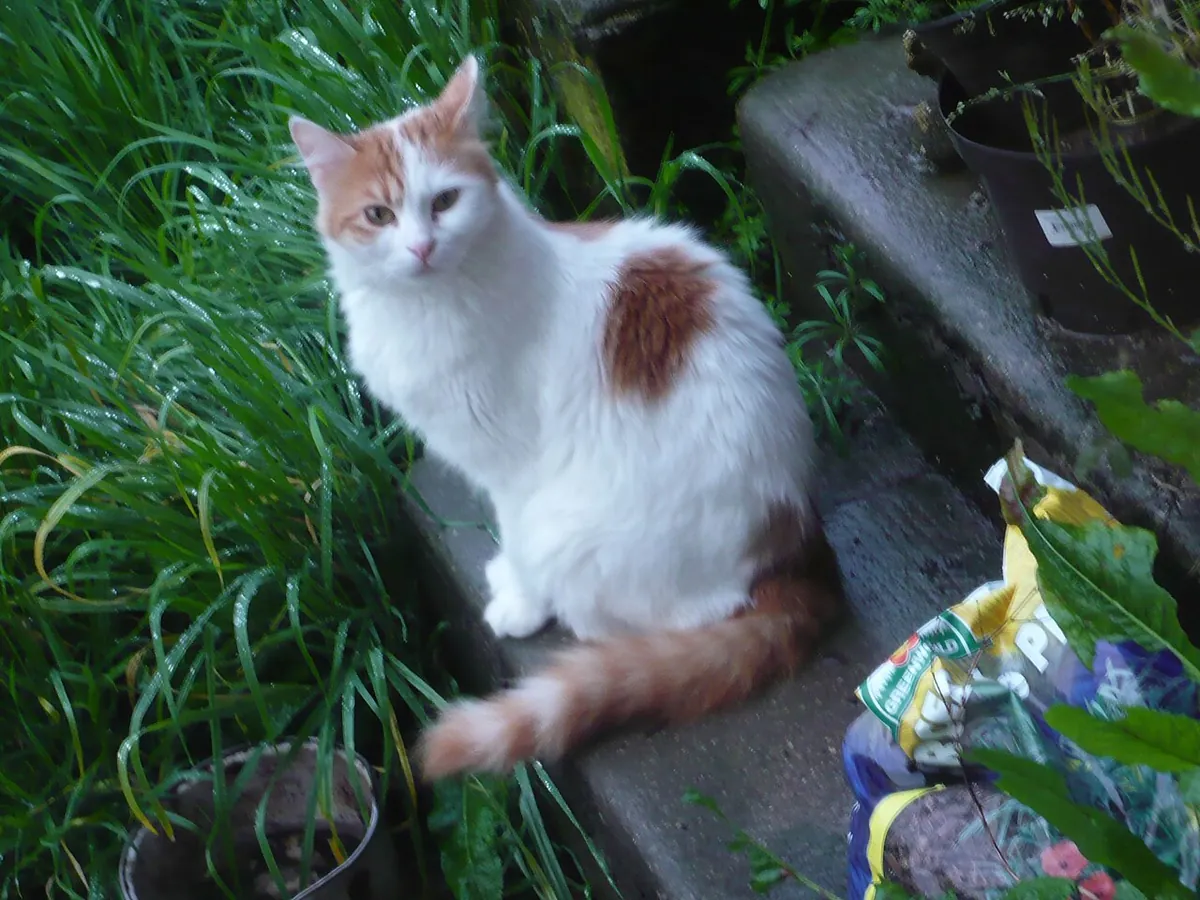
Turkish Van
Also known as: Turkish Van cat · Van cat · Swimming cat · Van kedisi
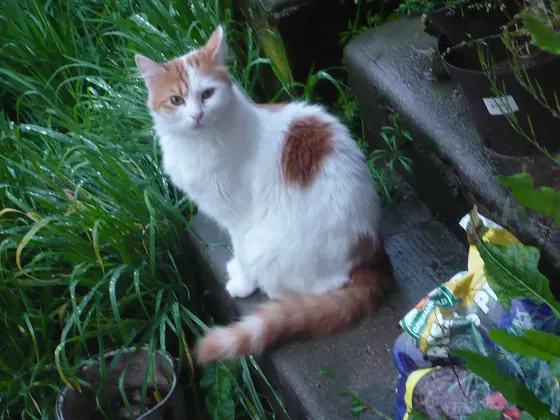
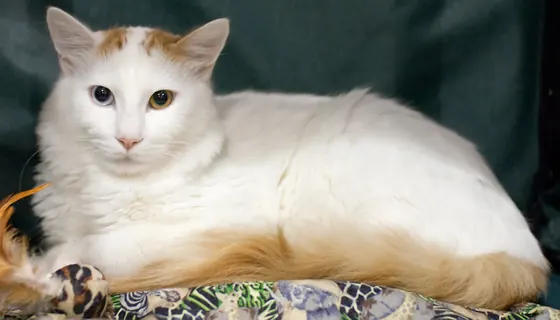
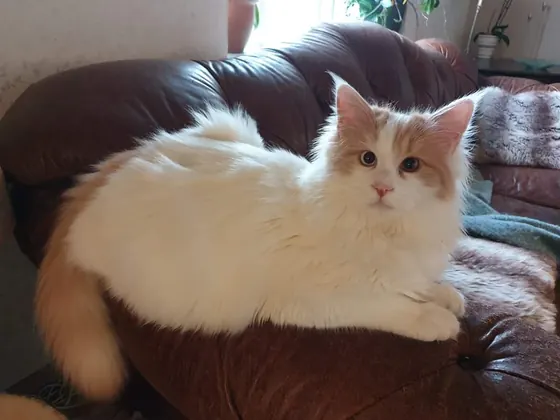
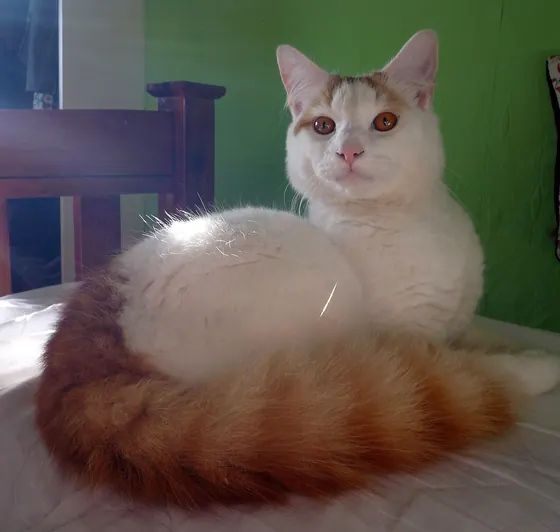
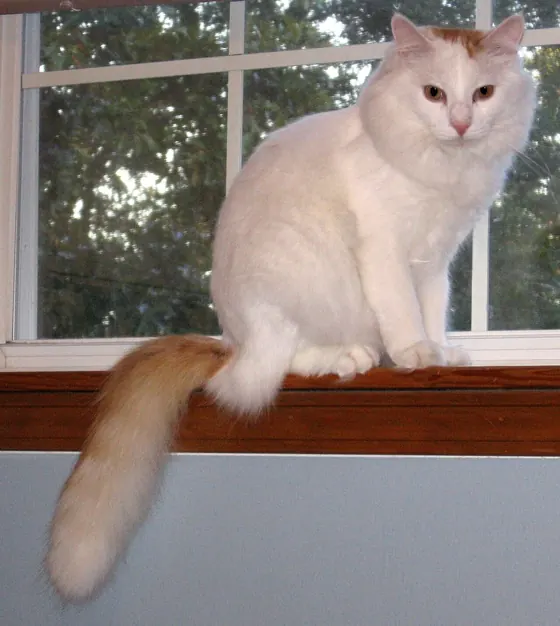
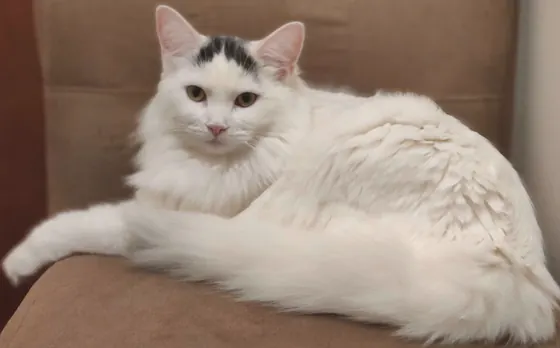
Photos: Gelweo (CC BY-SA 4.0) · Heikki Siltala (CC BY-SA 3.0) · Louiethe27th (CC BY-SA 4.0) · Effervescing Elephant (CC BY-SA 2.0) · Zach Pharr (Public domain) · BabybirdOli (CC BY-SA 4.0), via Wikimedia Commons.
Breed profile
* An estimate for Spain in 2026 (food, litter, vet and insurance), based on the size, grooming and health needs of the breed, not on measured costs of individual cats.
What it is like
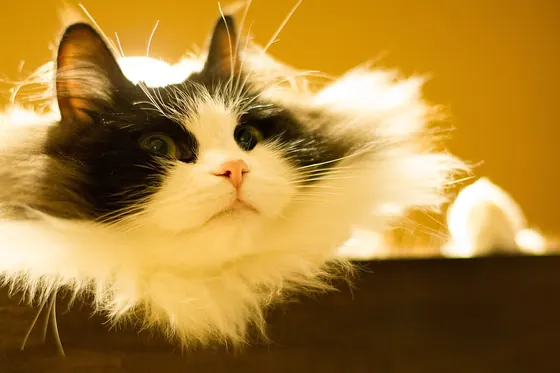
It comes from the Lake Van region of eastern Turkey and reached the West in 1955, when the Britons Laura Lushington and Sonia Halliday returned from a trip with two cats from the area. The GCCF recognised it in 1969. It is large, muscular and slow to mature, with a semi-long coat without undercoat that is almost waterproof, and the pattern that gives its name to all cats of this type: a white body with patches of colour only on the head and tail. It is famous for enjoying water, and many play with the tap or climb into the shower. It is active, independent and rather headstrong; it will not be picked up when it does not want to be.
Coat colours and patterns
Colours and patterns that are common or accepted in this breed. Each page explains where the colour comes from, the myths around it and other breeds that have it.
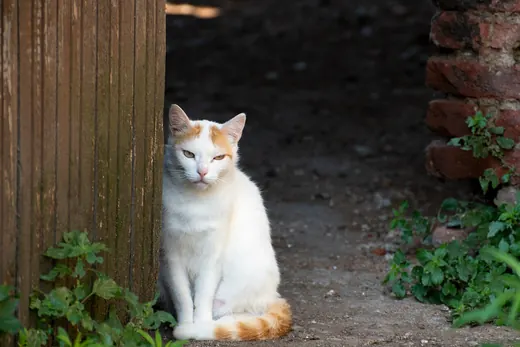
All cat coat colours and patterns →
Temperament
Care
Its coat, with no undercoat, dries quickly and tangles little: weekly brushing, a little more when it sheds its winter coat. It needs plenty of play, room to climb and challenges: it is strong and a great jumper. If it likes water, you can offer it a tub or a fountain, always supervised. Introduce children and other animals calmly; it prefers to decide for itself when there is contact.
Health
It is a robust breed. Hypertrophic cardiomyopathy has been described, so echocardiograms of breeding cats are advisable. As with all large, heavy cats, watch its weight and joints with age, and its mouth, as with any cat. Annual check-ups.
Fun facts
In Turkey, the “Van kedisi” is an all-white cat, often odd-eyed; the pattern with colour on the head and tail is the one fixed in the West.
A patch of colour between the shoulder blades is known among some breeders as the “thumbprint of Allah”.
Many compare the feel of its coat to cashmere.
It takes three to five years to reach full development.
Frequently asked questions
How big does a Turkish Van get?
An adult Turkish Van usually weighs 4.5–8 kg (10–18 lb) and stands about 28–35 cm (11–14 in) at the shoulder, which makes it a large cat.
How long does a Turkish Van live?
Its usual life expectancy is 12–16 years. Living indoors, being neutered and having regular vet check-ups make the biggest difference.
Is the Turkish Van hypoallergenic?
No. It produces the usual cat allergens. If someone at home is allergic, spend time with the breed before deciding and talk to an allergist.
Is the Turkish Van good with children?
It can be, with calm children who respect its space. As with any cat, teach children to let it walk away when it has had enough.
How much play does a Turkish Van need?
As a guide, 45 min of play a day. Its activity score is 5 out of 5: short daily play sessions with a wand toy work better than one long one.
Similar breeds
All breeds A to Z Cost calculator (Spanish) Food portions (Spanish)