
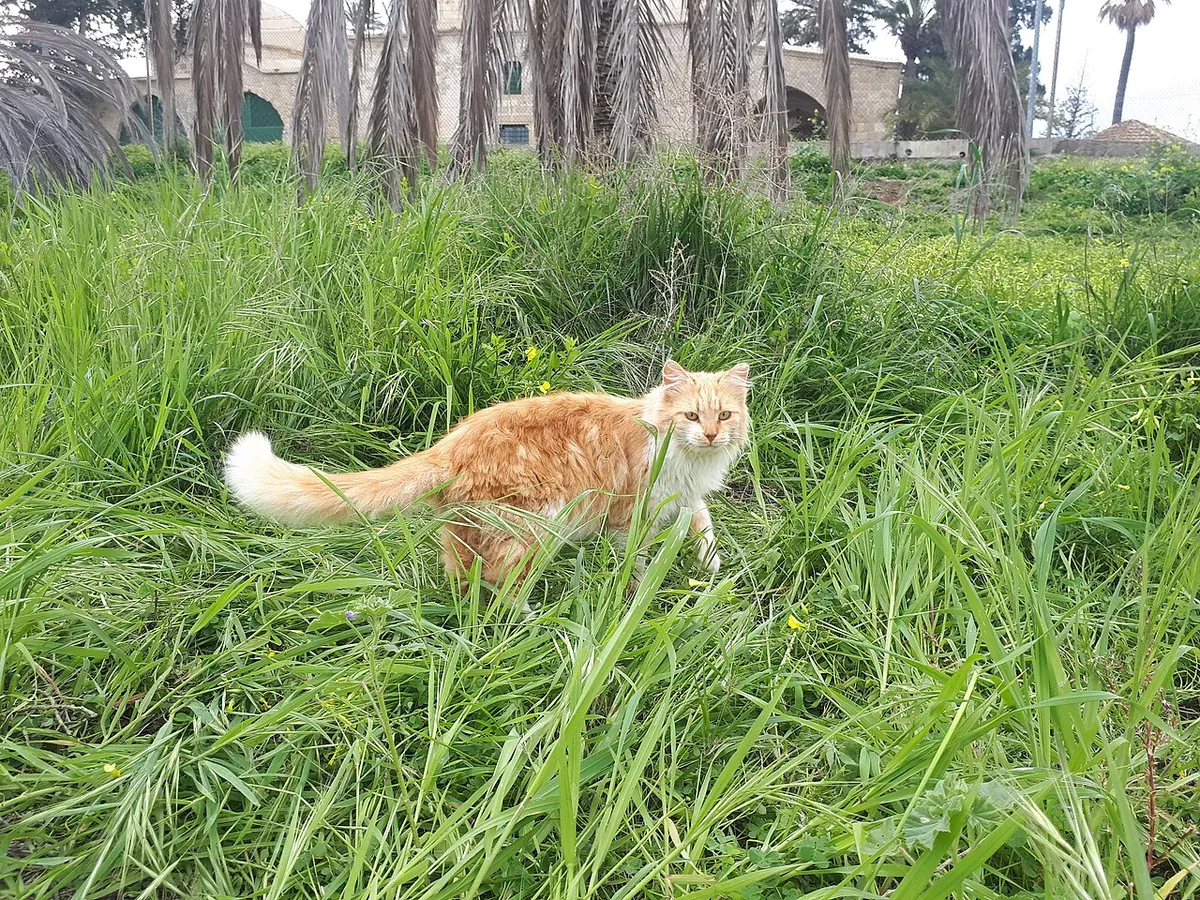
Aphrodite (Cyprus cat)
Also known as: Aphrodite · Aphrodite's Giant · Cyprus cat · Cypriot cat · St Helen's cat
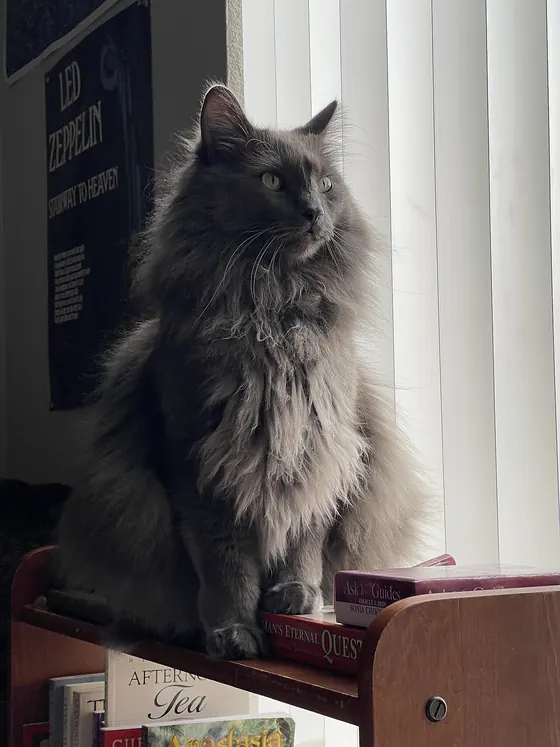
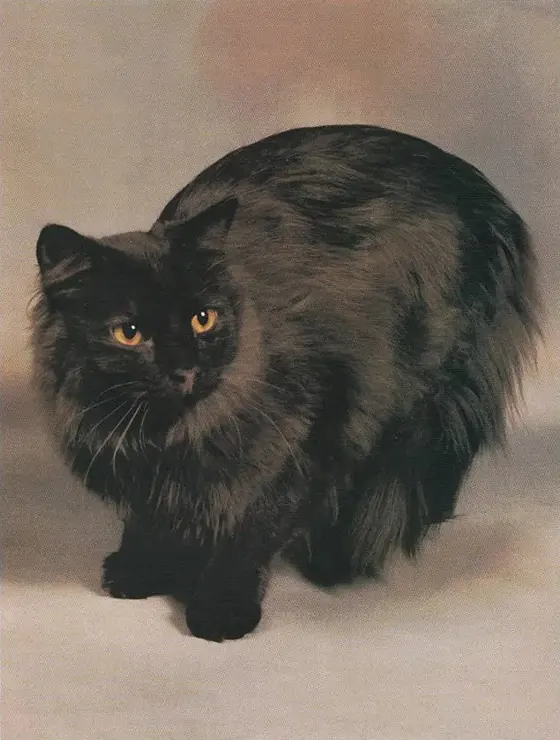
Photos: Apanag10 (CC BY-SA 4.0), via Wikimedia Commons.
Breed profile
* An estimate for Spain in 2026 (food, litter, vet and insurance), based on the size, grooming and health needs of the breed, not on measured costs of individual cats.
What it is like
It is Cyprus's long-established cat, a natural population of the island that became a breed in 2012. Cyprus has a very old relationship with cats: at the Shillourokambos site a cat was found buried beside a person some 9,500 years ago, although there is no evidence that today's Cypriot cats descend from it. A legend, impossible to verify, also says that St Helena sent shiploads of cats to the monastery of St Nicholas of the Cats, near Akrotiri, to get rid of the snakes. The WCF recognised it in July 2012 under the name Aphrodite's Giant, first in semi-long coat and later in short coat too, and TICA gave it preliminary recognition in 2017 as the Aphrodite. It is a medium to large, athletic and muscular cat, with a long triangular head, broad ears and hind legs slightly longer than the front ones; according to the TICA standard, males weigh 6.8 to 8.2 kg (15–18 lb). In character it is affectionate, sociable and very attached to its people.
Temperament
Care
The semi-longhair needs brushing once or twice a week, a bit more during the spring moult, when it sheds its winter coat; the shorthair, once a week. It is large and athletic: tall, well-anchored scratching posts, shelves to climb and daily play. It adapts well to flat life if it has vertical space. If you bring one from Cyprus, it will need a microchip, a rabies vaccination and the right travel paperwork (within the EU, a European pet passport), and it is wise to test it for FeLV and FIV before it meets other cats.
Health
As a natural breed, it has no inherited diseases of its own described, although there are no specific studies either. Its risks are those of cats in general: tartar, cystitis, kidney disease in old age and excess weight, which in a large cat strains the joints. Those that come off the street may bring parasites or viruses. Annual check-up and blood tests from the age of seven.
Fun facts
In the WCF it is called Aphrodite's Giant and in TICA simply the Aphrodite.
The cat buried at Shillourokambos some 9,500 years ago is one of the oldest pieces of evidence of cats and people living together.
According to tradition, the monastery of St Nicholas of the Cats, at Akrotiri, filled up with cats to get rid of the snakes.
It is considered a local variant of the Aegean cat, which has its own profile on Michipedia.
Frequently asked questions
How big does a Aphrodite (Cyprus cat) get?
An adult Aphrodite (Cyprus cat) usually weighs 4.5–8 kg (10–18 lb) and stands about 28–35 cm (11–14 in) at the shoulder, which makes it a large cat.
How long does a Aphrodite (Cyprus cat) live?
Its usual life expectancy is 12–16 years. Living indoors, being neutered and having regular vet check-ups make the biggest difference.
Is the Aphrodite (Cyprus cat) hypoallergenic?
No. It produces the usual cat allergens. If someone at home is allergic, spend time with the breed before deciding and talk to an allergist.
Is the Aphrodite (Cyprus cat) good with children?
Usually yes: it tends to be patient and sociable with children. As with any cat, teach children to let it walk away when it has had enough.
How much play does a Aphrodite (Cyprus cat) need?
As a guide, 30 min of play a day. Its activity score is 3 out of 5: short daily play sessions with a wand toy work better than one long one.
Similar breeds
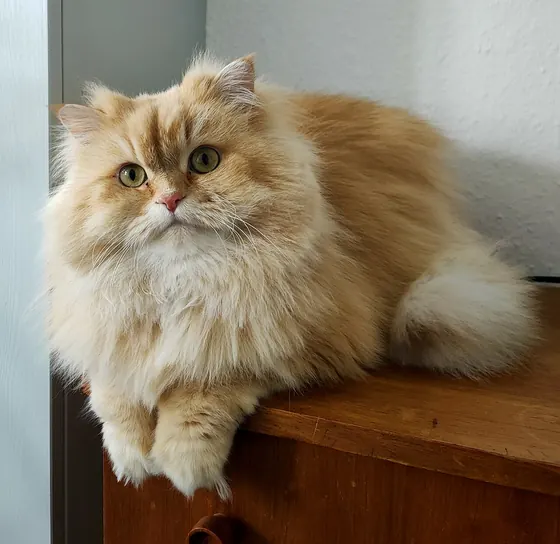
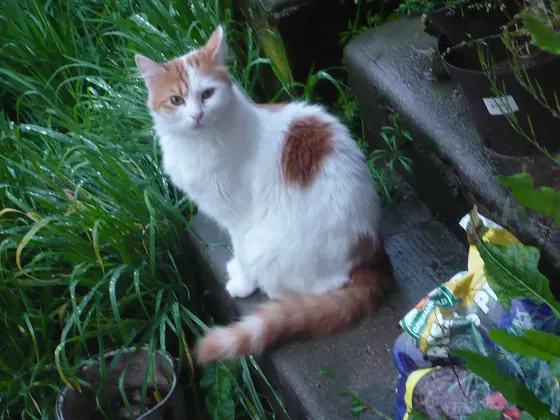

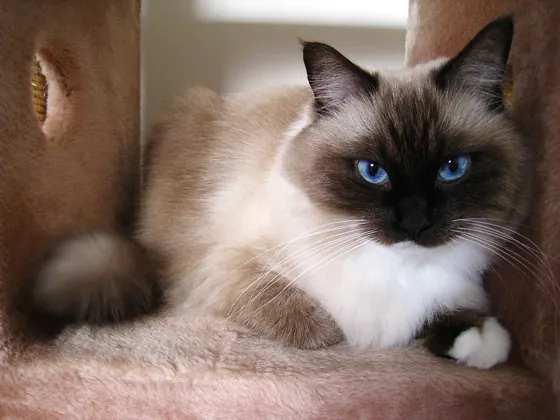
All breeds A to Z Cost calculator (Spanish) Food portions (Spanish)