
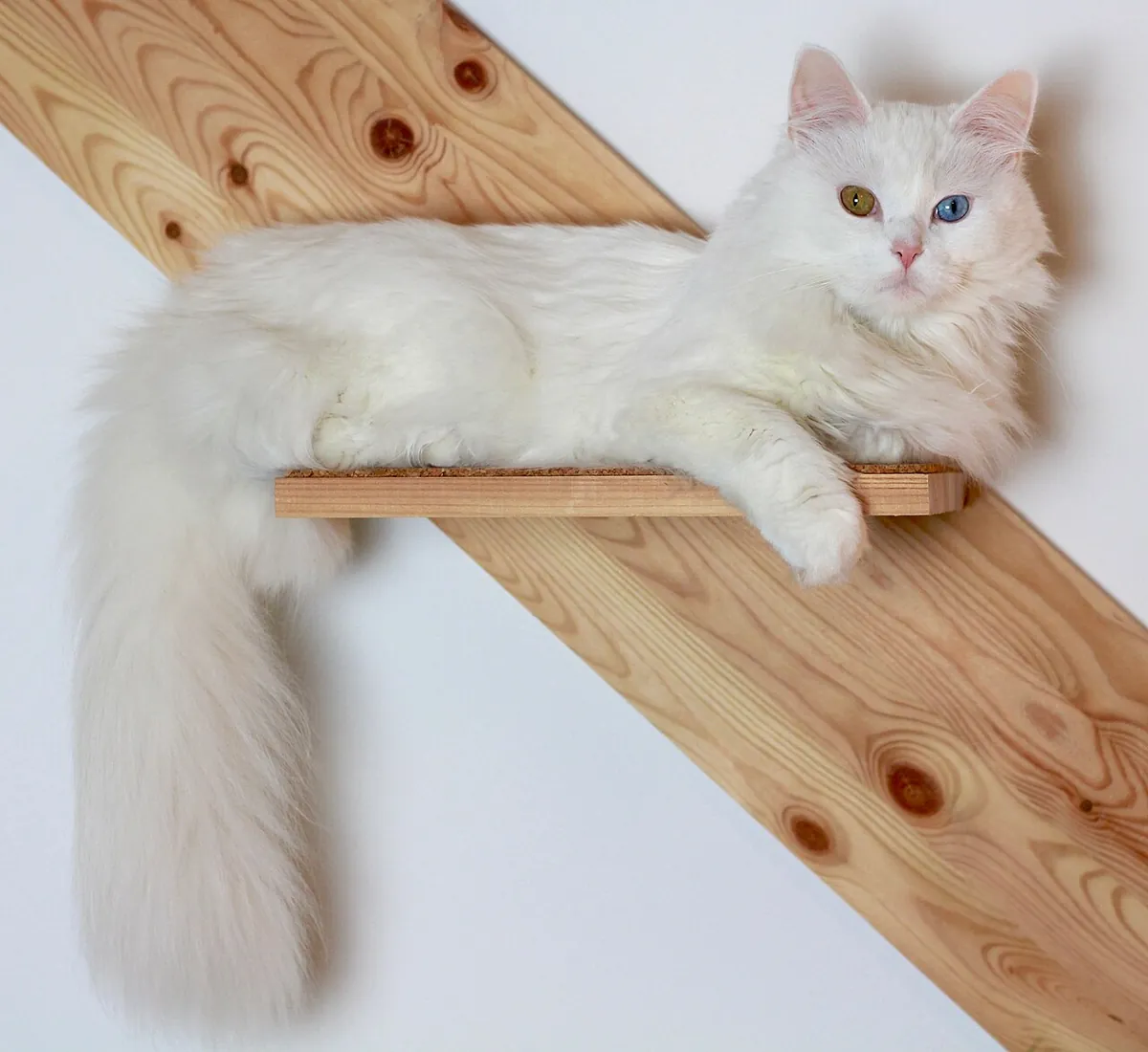
Turkish Angora
Also known as: Angora · Angora cat · Turkish Angora cat · Ankara cat
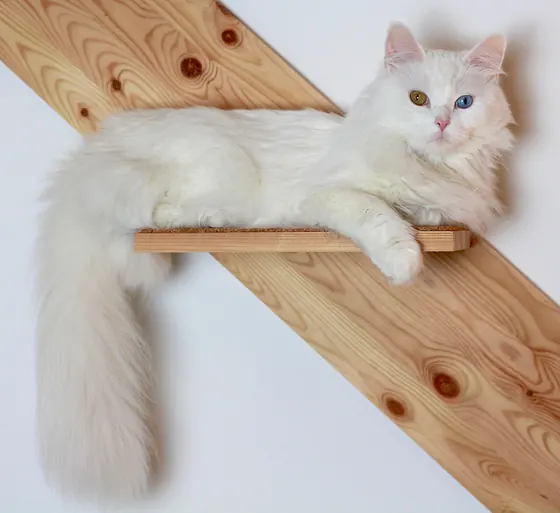
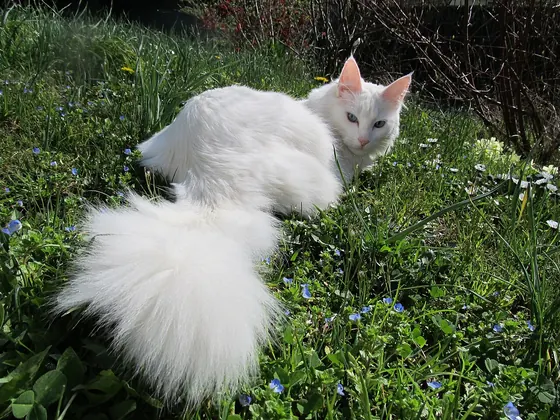
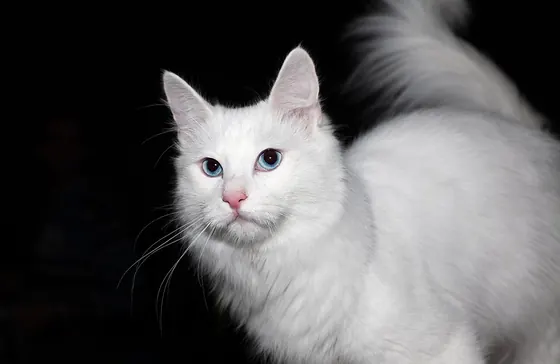
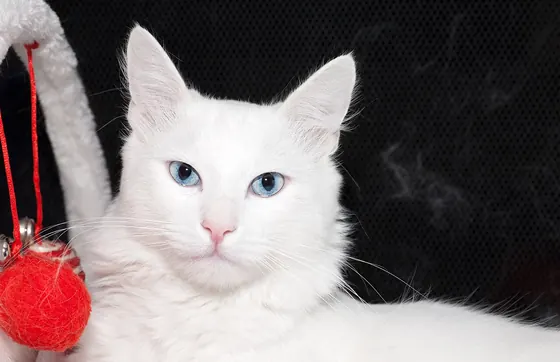
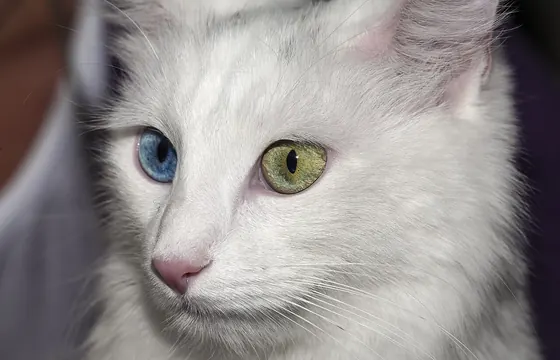
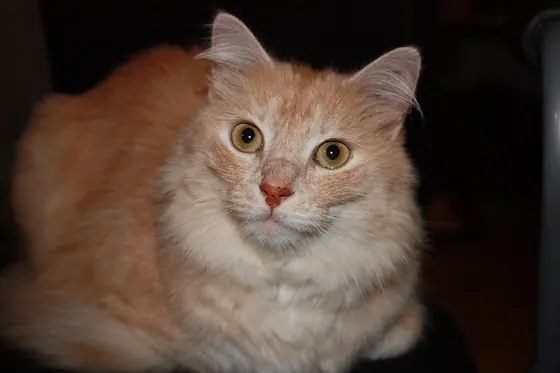
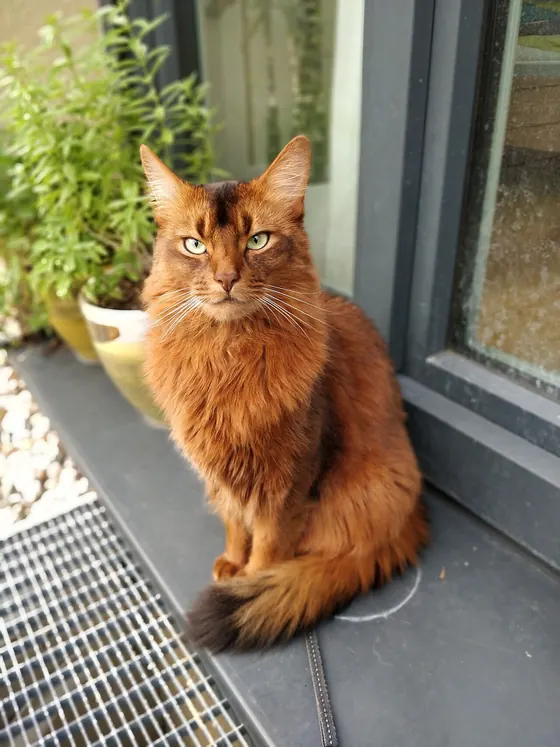
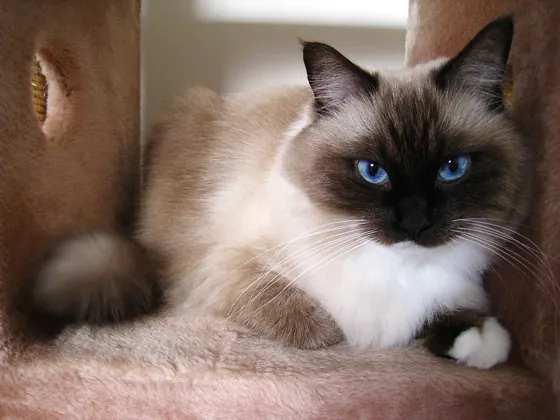
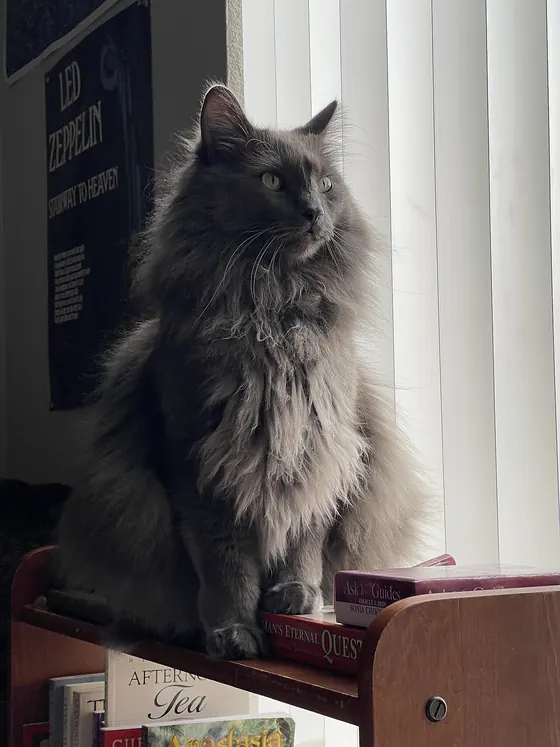
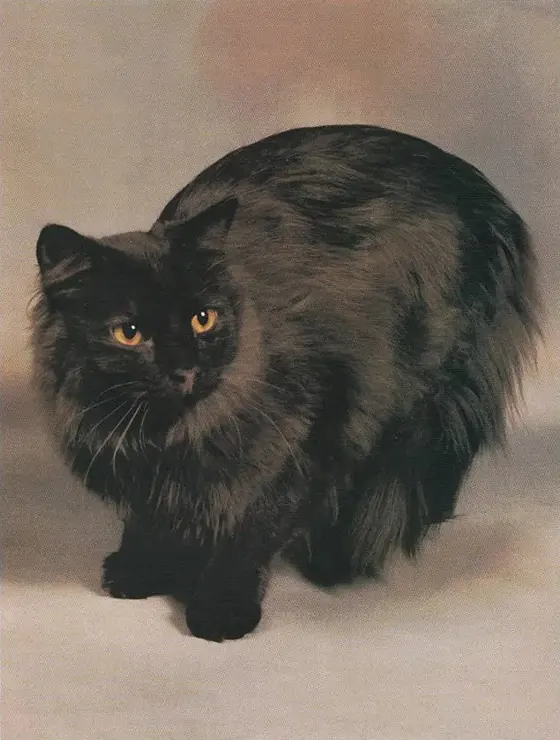
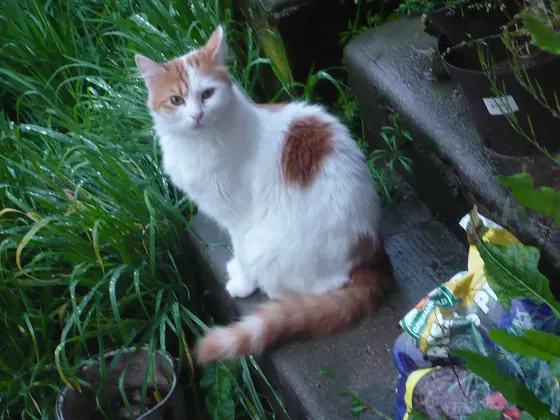
Photos: Franzioseph (CC BY-SA 4.0) · Daly69 (CC BY-SA 3.0) · Nickolas Titkov from Moscow, Russian Federation (CC BY-SA 2.0) · Himbeerchen (CC BY-SA 3.0), via Wikimedia Commons.
Breed profile
* An estimate for Spain in 2026 (food, litter, vet and insurance), based on the size, grooming and health needs of the breed, not on measured costs of individual cats.
What it is like
It is one of the oldest longhaired cats: it reached Europe from Turkey around the 17th century and for a long time “Angora” meant any longhaired cat, until the Persian eclipsed it and it almost vanished outside its homeland. It was saved by Ankara Zoo, which ran a breeding programme for white Angoras and supplied the cats that American breeders took home in the 1960s. It is slender and fine-boned, with a silky coat without undercoat and a beautiful plumed tail. In character it is very active, clever and full of personality: it likes to be in charge, climb to the highest point and join in with everything.
Coat colours and patterns
Colours and patterns that are common or accepted in this breed. Each page explains where the colour comes from, the myths around it and other breeds that have it.
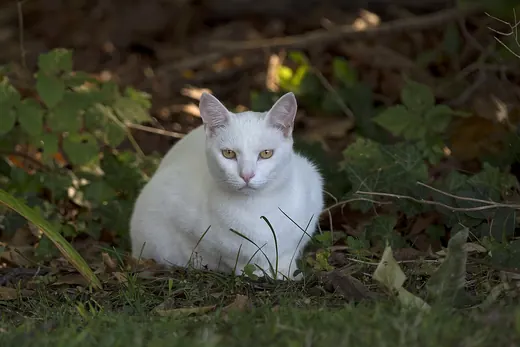
All cat coat colours and patterns →
Temperament
Care
Its fine coat hardly tangles: a weekly brush is enough, and it sheds less than you would think. The demanding part is its energy: it needs tall scratching posts, hunting play every day and challenges, or it will busy itself knocking things off shelves. Many are curious about water. It prefers to be the top cat, so introduce other cats patiently. If it is white, protect its ears and nose from the sun.
Health
Blue-eyed and odd-eyed whites have a higher risk of congenital deafness from the dominant white gene; a BAER test for kittens is advisable. An inherited ataxia, fatal in kittens, and hypertrophic cardiomyopathy have been described in some lines. On the whole it is robust; ask about the parents' health checks.
Health problems to watch for
These are described more often in this breed. It does not mean a Turkish Angora will have them, nor that a moggy is free of them: they are worth knowing about and discussing with your vet.
Fun facts
In Turkey it is considered a national treasure, and Ankara Zoo still breeds white Angoras.
A popular Turkish legend says that Atatürk would be reincarnated as an odd-eyed white Angora.
The odd-eyed Angora, with one blue eye and one amber, is the most prized in Turkey.
As it has no undercoat, in summer it looks almost like a shorthaired cat, apart from the tail.
Frequently asked questions
How big does a Turkish Angora get?
An adult Turkish Angora usually weighs 3–5 kg (7–11 lb) and stands about 23–28 cm (9–11 in) at the shoulder, which makes it a medium cat.
How long does a Turkish Angora live?
Its usual life expectancy is 12–16 years. Living indoors, being neutered and having regular vet check-ups make the biggest difference.
Is the Turkish Angora hypoallergenic?
No. It produces the usual cat allergens. If someone at home is allergic, spend time with the breed before deciding and talk to an allergist.
Is the Turkish Angora good with children?
Usually yes: it tends to be patient and sociable with children. As with any cat, teach children to let it walk away when it has had enough.
How much play does a Turkish Angora need?
As a guide, 45 min of play a day. Its activity score is 5 out of 5: short daily play sessions with a wand toy work better than one long one.
Similar breeds
All breeds A to Z Cost calculator (Spanish) Food portions (Spanish)