
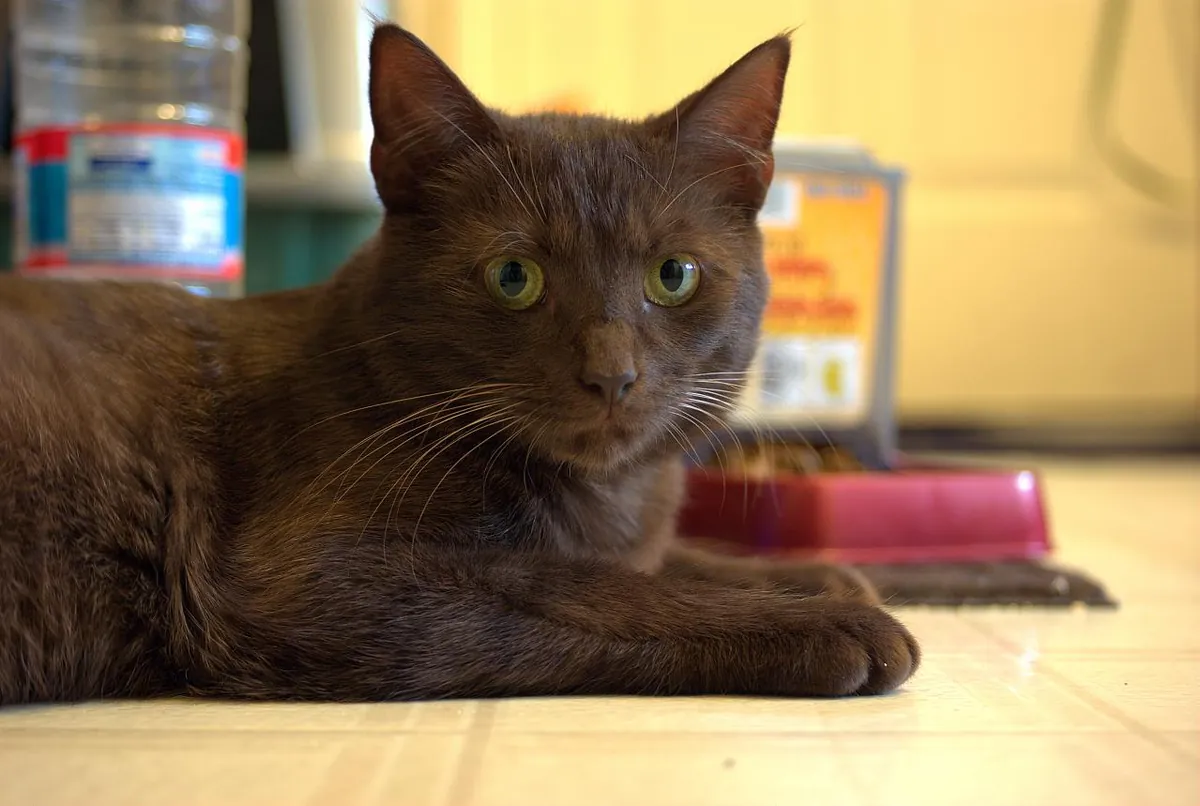
Havana Brown
Also known as: Havana · Havana cat · Chestnut Brown Foreign · Havana Brown cat
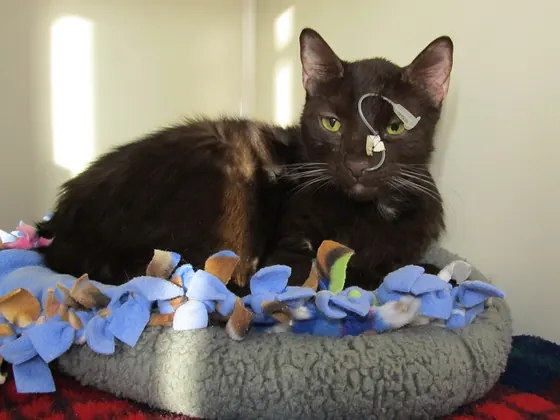
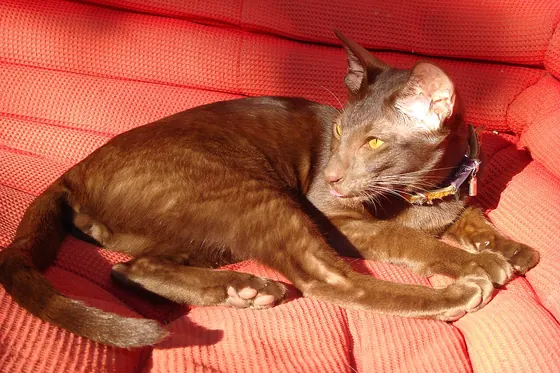
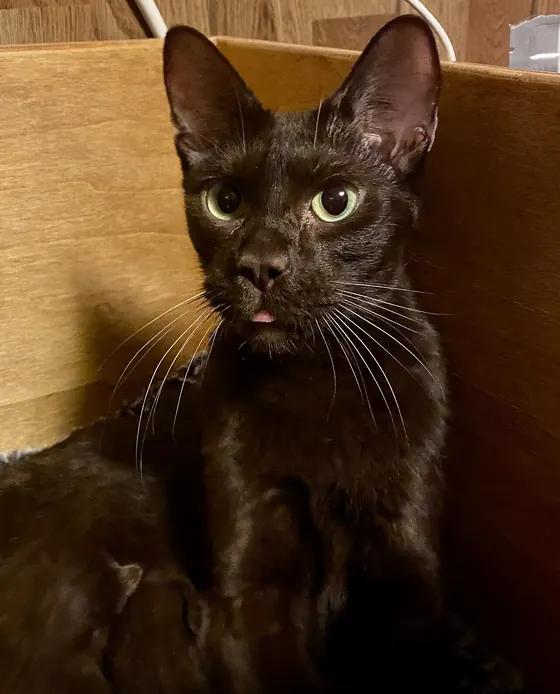
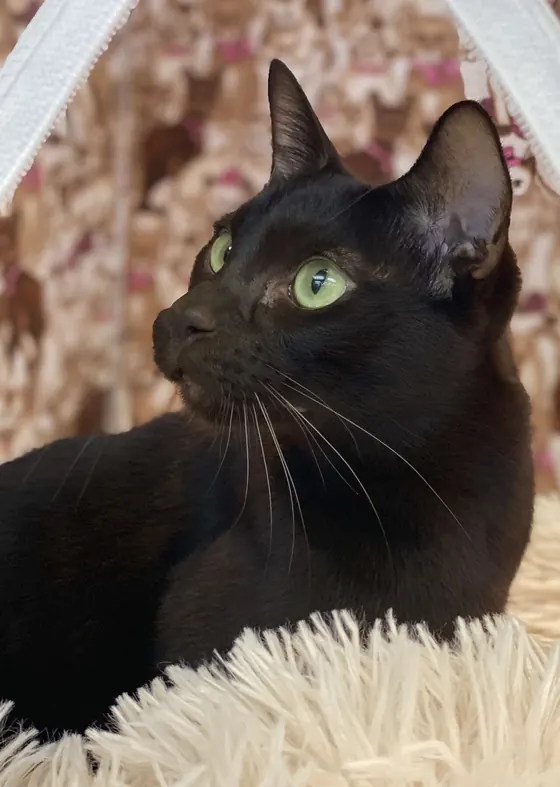
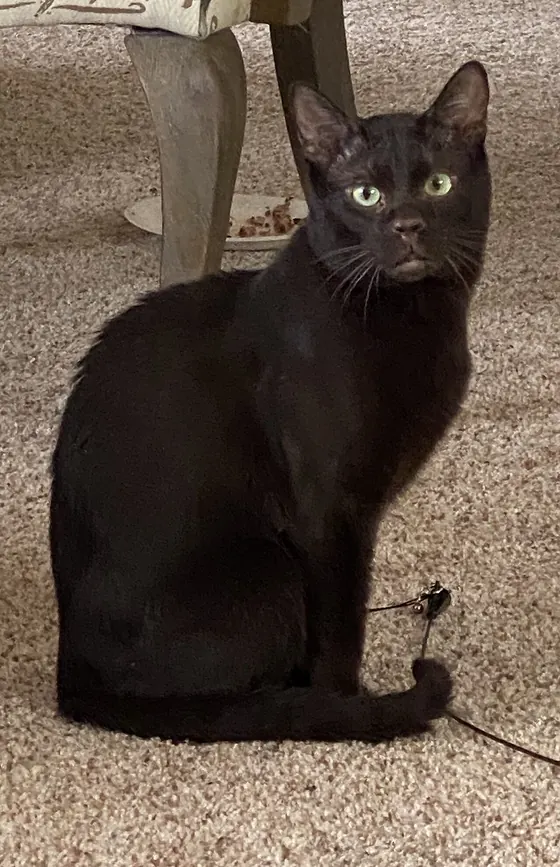
Photos: Dave Scelfo from Point Pleasant Beach, NJ, USA (CC BY-SA 2.0) · Rocky Mountain Feline Rescue (formerly known as Animal Rescue and Adpotion Society) (CC BY 2.0) · sam.romilly (CC BY 2.0) · Havanabrowngirl (CC BY 4.0), via Wikimedia Commons.
Breed profile
* An estimate for Spain in 2026 (food, litter, vet and insurance), based on the size, grooming and health needs of the breed, not on measured costs of individual cats.
What it is like
It was born in the UK in the 1950s, when breeders interested in brown cats crossed chocolate point Siamese with black shorthairs. The result was a solid brown cat, recognised in 1958 as the Chestnut Brown Foreign. Some cats went to the United States, where the breed took its own path: the American Havana Brown has a distinctive, almost square muzzle and a less Oriental type than the British one. It is a gentle, very affectionate and curious cat that often touches things with its paw to investigate them. Today it is uncommon and breeders are hard to find.
Coat colours and patterns
Colours and patterns that are common or accepted in this breed. Each page explains where the colour comes from, the myths around it and other breeds that have it.
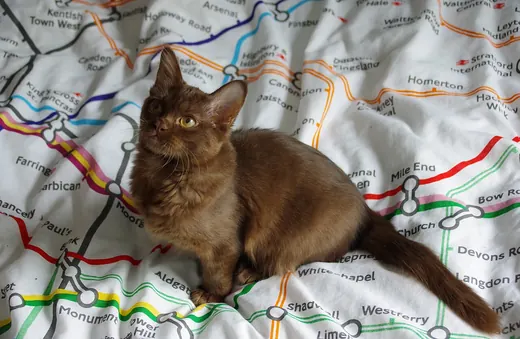
All cat coat colours and patterns →
Temperament
Care
The short coat is kept in order with a weekly once-over with a mitt; it sheds little. It likes to take part in household life and stay close, without being as demanding as a Siamese. Daily play, a tall scratching post and a routine with treats. As it is a small breed, you may have to wait for a litter or look for a breeder abroad; be wary of cheap offers with no pedigree.
Health
It has no serious inherited diseases of its own that are known, but its gene pool is very small, which is why some registries have approved controlled outcrosses to widen it. It can inherit the dental and respiratory problems of the Siamese family. Ask for the pedigree, and ask about inbreeding and the parents' health checks.
Fun facts
Even its whiskers are brown, a detail included in the American standard.
Its name is put down to the colour of Havana cigars or to a rabbit breed called the Havana; neither version is confirmed.
In the UK the Havana is now considered a brown Oriental, while in the US it is a separate breed.
It tends to touch objects with its paw before sniffing them, a habit its breeders often mention.
Frequently asked questions
How big does a Havana Brown get?
An adult Havana Brown usually weighs 3–4.5 kg (7–10 lb) and stands about 23–28 cm (9–11 in) at the shoulder, which makes it a small cat.
How long does a Havana Brown live?
Its usual life expectancy is 12–15 years. Living indoors, being neutered and having regular vet check-ups make the biggest difference.
Is the Havana Brown hypoallergenic?
No. It produces the usual cat allergens. If someone at home is allergic, spend time with the breed before deciding and talk to an allergist.
Is the Havana Brown good with children?
Usually yes: it tends to be patient and sociable with children. As with any cat, teach children to let it walk away when it has had enough.
How much play does a Havana Brown need?
As a guide, 25 min of play a day. Its activity score is 3 out of 5: short daily play sessions with a wand toy work better than one long one.
Similar breeds
All breeds A to Z Cost calculator (Spanish) Food portions (Spanish)