
Balinese
Also known as: Longhaired Siamese · Semi-longhaired Siamese · Balinese cat · Javanese
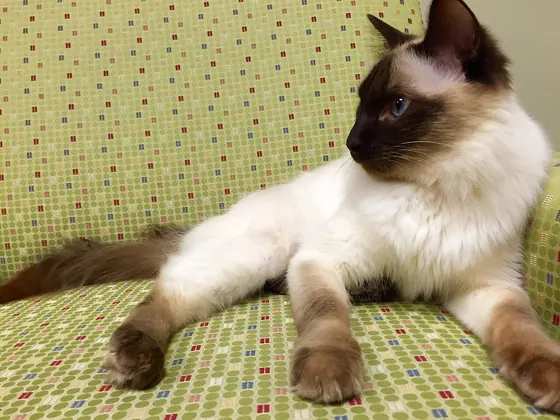
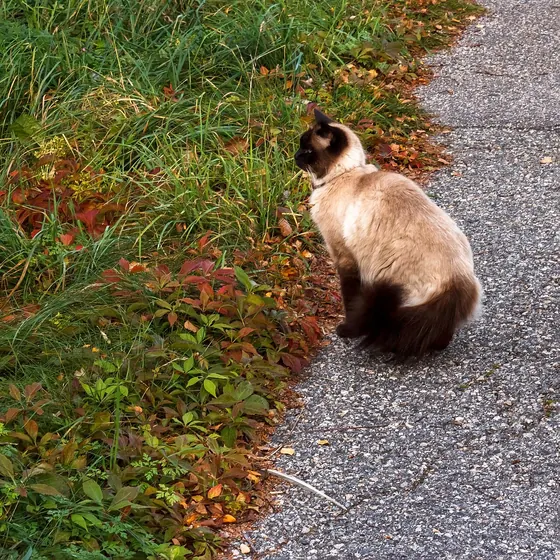
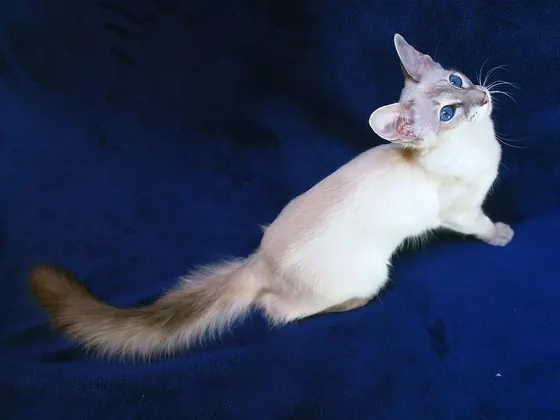
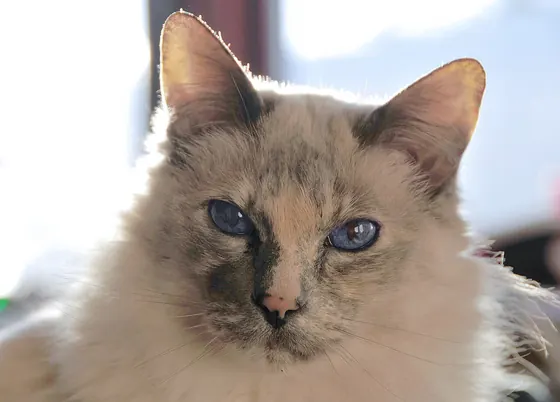
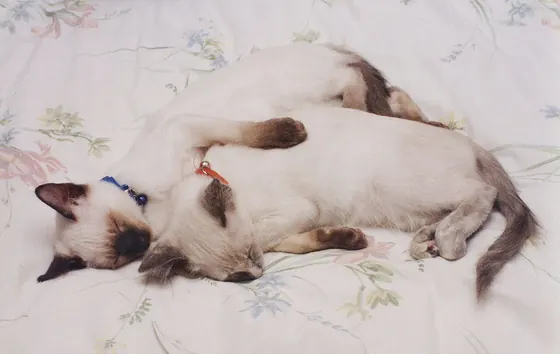
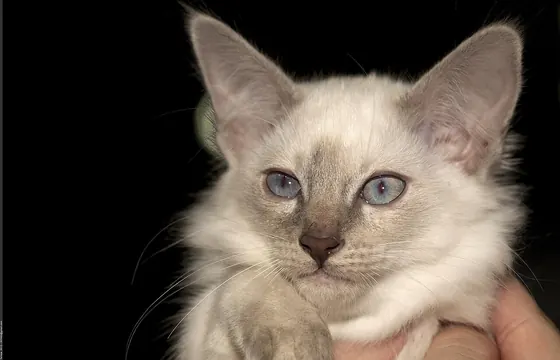
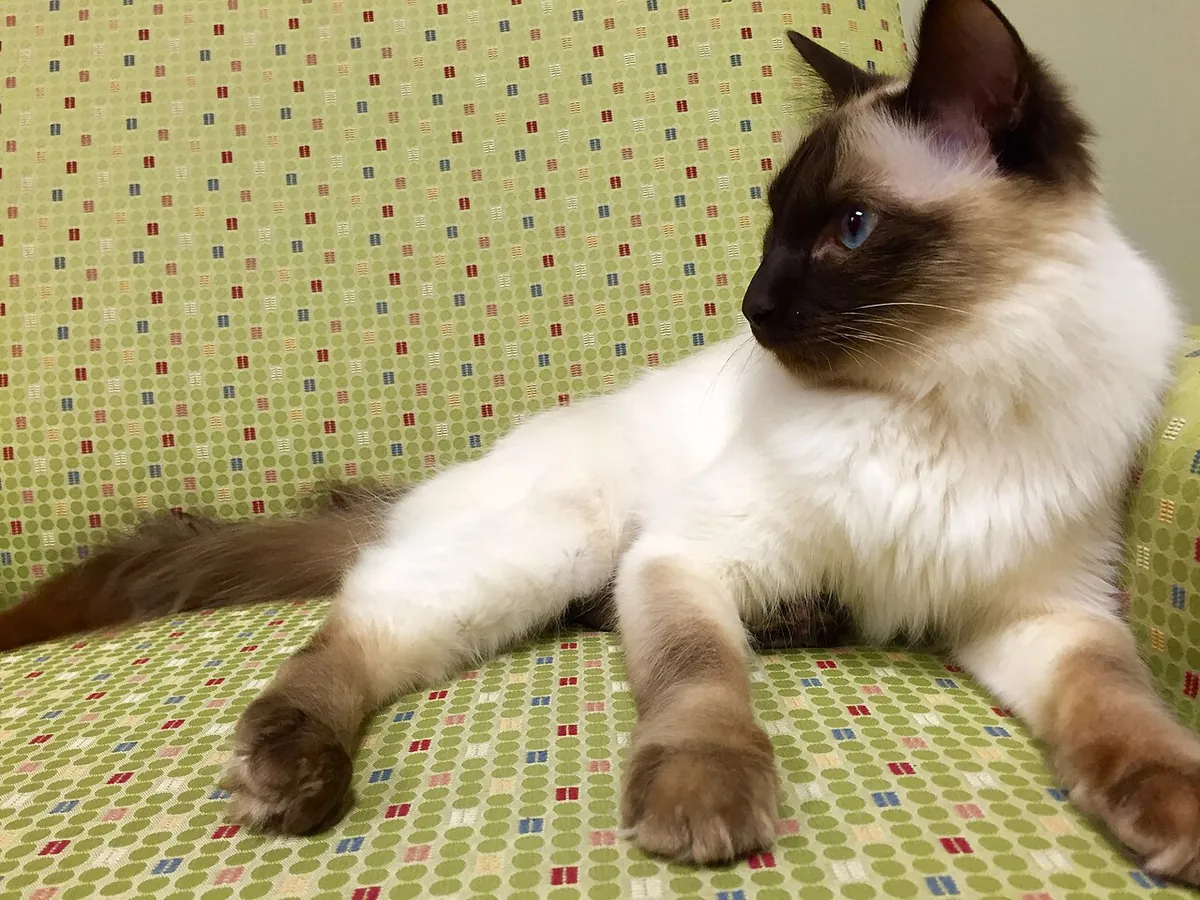
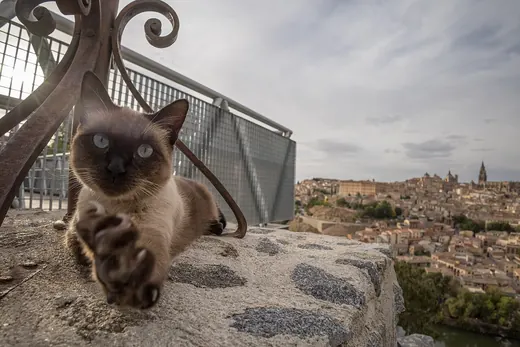
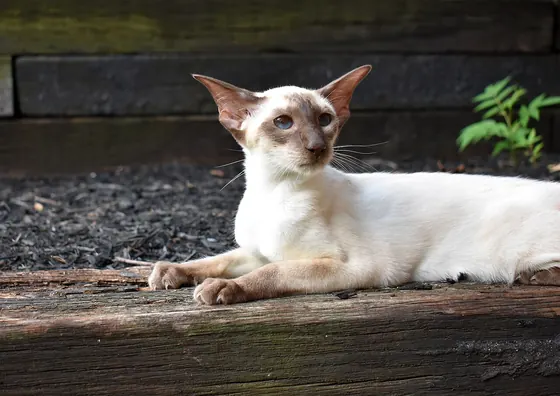
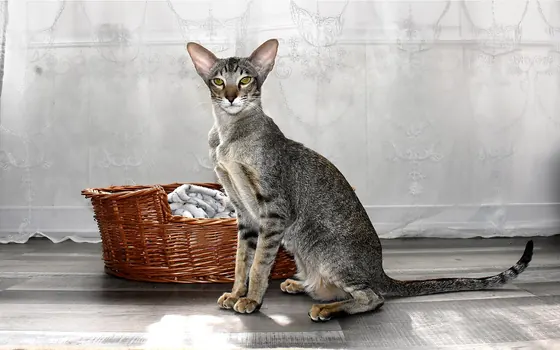
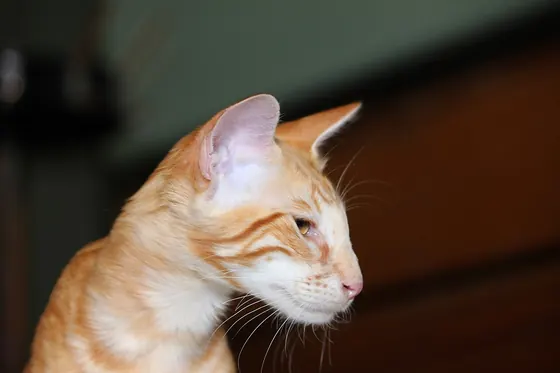
Photos: Talophex (CC BY-SA 4.0) · W.carter (CC BY-SA 4.0) · Igatto (Public domain) · Mike McBey (CC BY 2.0) · Nickolas Titkov from Moscow, Russian Federation (CC BY-SA 2.0), via Wikimedia Commons.
Breed profile
* An estimate for Spain in 2026 (food, litter, vet and insurance), based on the size, grooming and health needs of the breed, not on measured costs of individual cats.
What it is like
Longhaired kittens turned up every so often in Siamese litters, and in the 1940s and 1950s several American breeders began breeding them on purpose. They named it Balinese after the grace of Balinese dancers, not because it comes from Bali, and the CFA recognised it in 1970. It is a Siamese from head to toe, with coloured points, deep blue eyes and the same chatty personality, but with a close-lying semi-long coat and a plumed tail. It has a reputation for being a little less strident than the Siamese. It is said to cause fewer allergies, but there is no solid evidence that it produces less Fel d 1.
Coat colours and patterns
Colours and patterns that are common or accepted in this breed. Each page explains where the colour comes from, the myths around it and other breeds that have it.
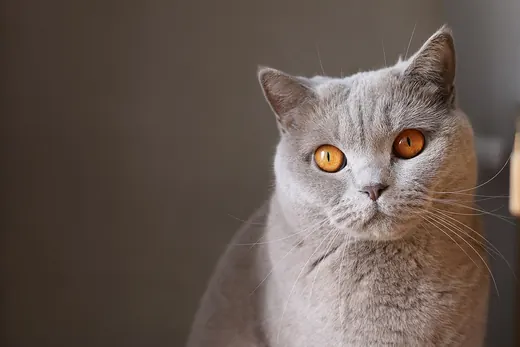
All cat coat colours and patterns →
Temperament
Care
Its coat, with no undercoat, does not form big knots: one brush a week, two when it is moulting, is enough. What it cannot do without is company and stimulation: hunting games, tall scratching posts and some reward-based training, which it picks up quickly. If it will be alone for many hours, it is better with another cat. Annual dental check and toothbrushing if it will tolerate it.
Health
The same predispositions as the Siamese: progressive retinal atrophy (rdAc, DNA test available), hepatic amyloidosis, squint and nystagmus, asthma and dental problems. Its life expectancy is good. Ask the breeder for the parents' PRA test results and be wary of anyone chasing an extremely fine type at the expense of health.
Health problems to watch for
These are described more often in this breed. It does not mean a Balinese will have them, nor that a moggy is free of them: they are worth knowing about and discussing with your vet.
Fun facts
The longhair gene probably reached the Siamese through old crosses with longhaired cats, although no one knows exactly when.
Its coat looks shorter than it is because, without an undercoat, it lies flat against the body.
In the CFA, the Javanese (Balinese in non-traditional colours) was merged into the Balinese in 2010.
As with the Siamese, the kittens are born almost white and the points appear over the weeks.
Frequently asked questions
How big does a Balinese get?
An adult Balinese usually weighs 2.5–5 kg (6–11 lb) and stands about 20–25 cm (8–10 in) at the shoulder, which makes it a medium cat.
How long does a Balinese live?
Its usual life expectancy is 12–16 years. Living indoors, being neutered and having regular vet check-ups make the biggest difference.
Is the Balinese hypoallergenic?
It is often described as hypoallergenic, but no cat is free of the main cat allergen (Fel d 1). Some people with mild allergies react less to it; spend time with the breed before deciding.
Is the Balinese good with children?
Usually yes: it tends to be patient and sociable with children. As with any cat, teach children to let it walk away when it has had enough.
How much play does a Balinese need?
As a guide, 40 min of play a day. Its activity score is 5 out of 5: short daily play sessions with a wand toy work better than one long one.
Similar breeds
All breeds A to Z Cost calculator (Spanish) Food portions (Spanish)